Abhijit Nadkarni – författare
Visar alla böcker från författaren Abhijit Nadkarni. Handla med fri frakt och snabb leverans.
2 produkter
2 produkter
Inbunden, Engelska, 2025
1 664 kr
Skickas inom 10-15 vardagar
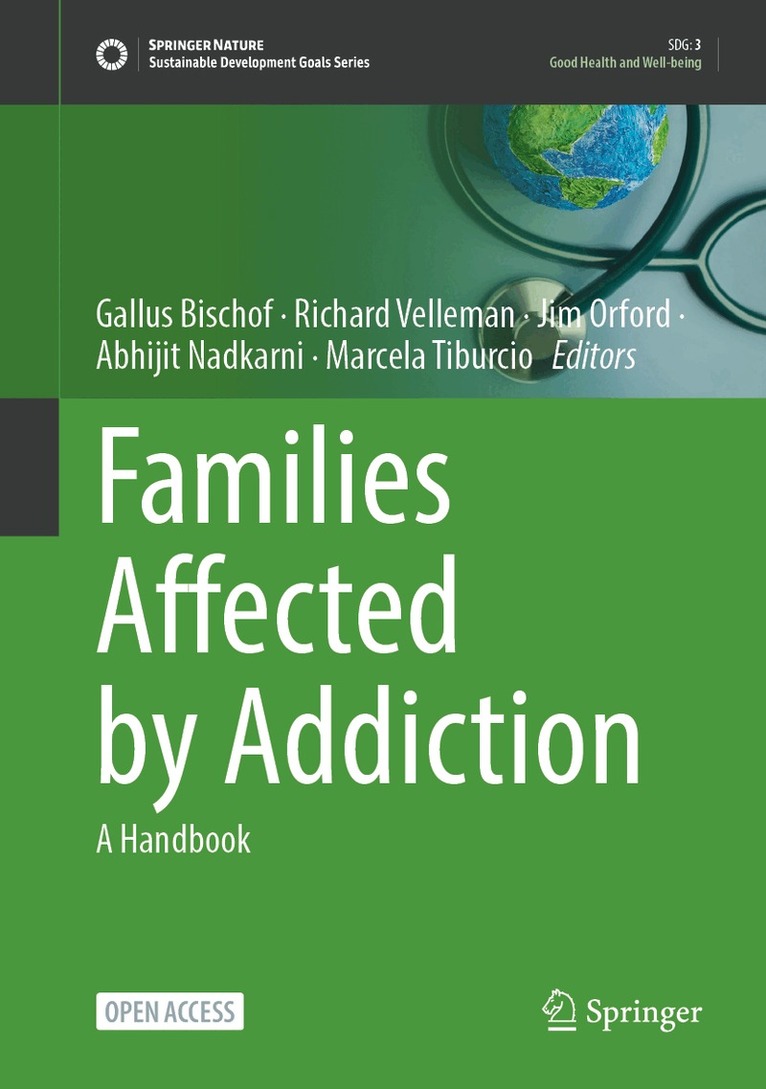
This Open Access book sheds new light on the wide range of Affected Family Members' experiences. At a conservative estimate, there are at least 100 million adults across the globe who are affected by their relatives’ addiction problems. These Affected Family Members (AFMs) experience multiple stresses, coping dilemmas, and a lack of information and support, and are at heightened risk for ill-health. The results are very costly, both from the personal and from the public services point of view. The volume elaborates on the barriers to providing effective help, including political neglect, under-representation in both policy and service delivery models, the lack of involvement and encouragement from health and social care professionals, the stigmatisation and bias as barriers to care, and the range of evidence-based interventions. It also explores the similarities and differences of all of these areas depending on the type of addiction problem that the family is affected by – alcohol, illicit drugs, gambling, etc. While covering the more commonly reported work in high-income countries, the contributions put strong emphasis on the experience of AFMs in low- and middle-income countries. Given its truly global approach, the book will be a key resource for practitioners, policymakers, and researchers alike.
E-bok
Engelska, 2022117 kr
Läs direkt efter köp
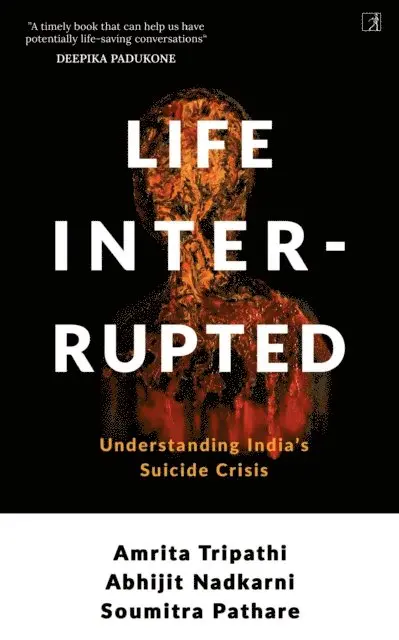
"A timely book that can help us have potentially life-saving conversations" - DEEPIKA PADUKONE, Actor & Founder, LiveLoveLaugh“A shocking fact and huge wake-up call is that suicide is the leading cause of death for young Indians. As a country — across all our expertise and fields of interest — we need to pay closer attention, and this book urges us to do just that, with clear policy level suggestions and a call to action.” -ABHINAV BINDRA In India we tend to have a fatalistic attitude towards suicide, tending to believe that nothing can be done to prevent it, focusing only on the politically volatile issue of farmer suicides, or periodically, when there is a death by suicide of a prominent personality or suicides in vulnerable groups (for example, students especially after Board exam results), there is a hue and cry in the popular press with opinion makers demanding immediate action.Why should you care? Because a disproportionate number of young Indians die by suicide and these are preventable deaths.The resulting knee-jerk reaction from policymakers is to offer some immediate solutions (appointing counsellors in colleges, etc.) which have little evidence of success. After a while, everyone forgets the issue, until the next such event and the cycle repeats itself.This book aims to present evidence-based strategies to tackle suicide, using interviews, case studies and conversations that lay readers can make sense of, while proposing an outline of steps that policymakers, journalists and key stakeholder groups can collaborate on to provide better solutions and save precious lives in India.