Adair Turner – författare
Visar alla böcker från författaren Adair Turner. Handla med fri frakt och snabb leverans.
11 produkter
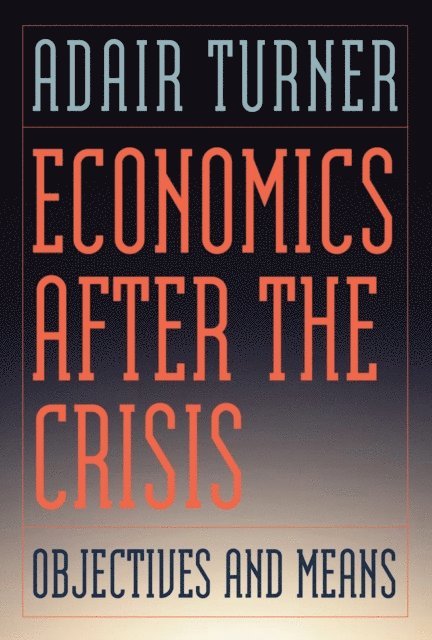
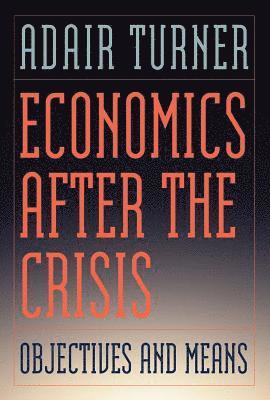
Economics After the Crisis
Av Adair Turner
E-bok, 2012
191 kr
Lägg i varukorg
A noted economist challenges the fundamental economic assumptions that cast economic growth as the objective and markets as the universally applicable means of achieving it. The global economic crisis of 2008–2009 seemed a crisis not just of economic performance but also of the system''s underlying …
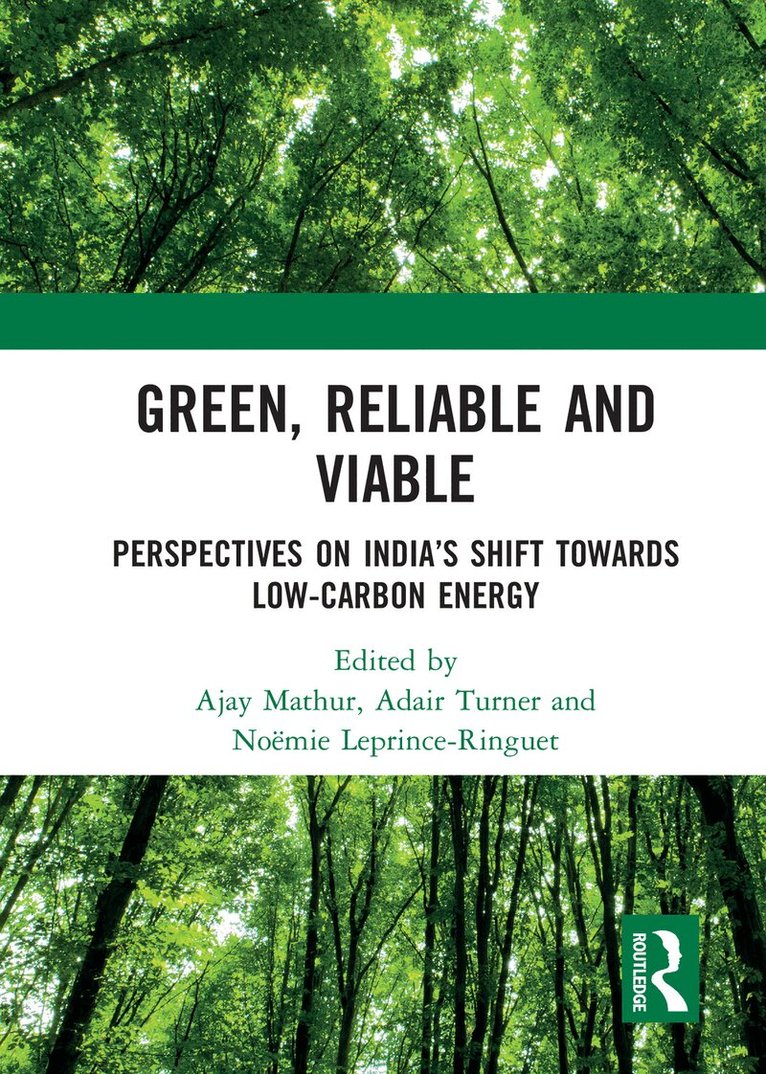
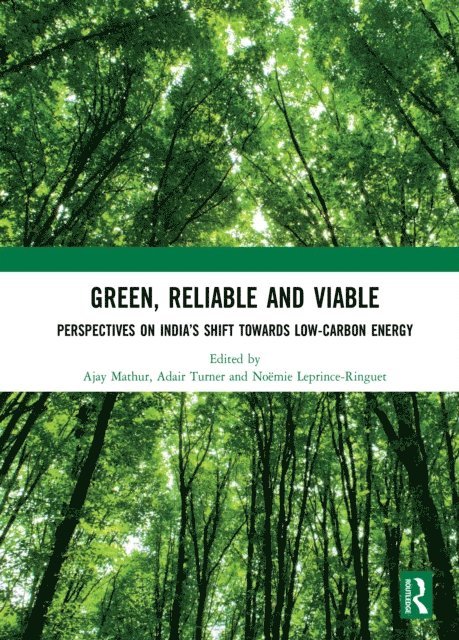
Green, Reliable and Viable
Perspectives on India’s Shift Towards Low-Carbon Energy
Av Ajay Mathur, Adair Turner m. fl.
Inbunden, 2019
2132 kr
Lägg i varukorg
Resource-intensive practices of yesterday can no longer sustain the world. The future of our planet hinges on timely transitions to efficiency of resource-use across ecosystems of people, products, and processes. This will happen through transitions to low-carbon global energy systems. Against …
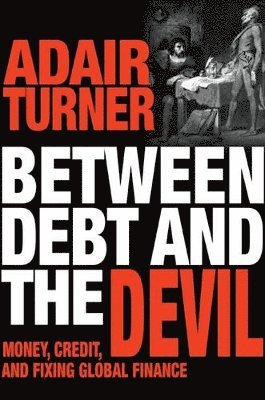
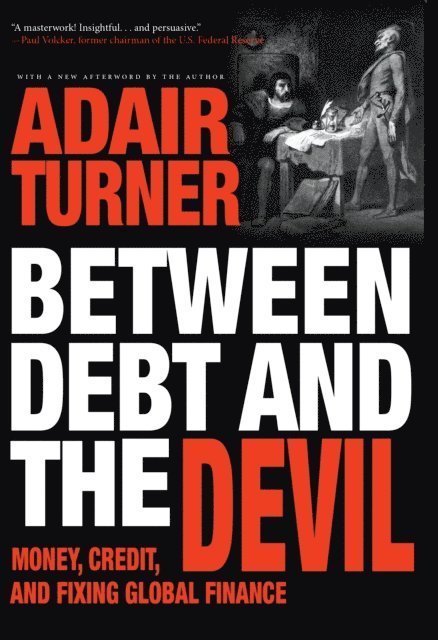
Between Debt and the Devil
Money, Credit, and Fixing Global Finance
Av Adair Turner
Inbunden, 2015
333 kr
Lägg i varukorg
Adair Turner became chairman of Britain's Financial Services Authority just as the global financial crisis struck in 2008, and he played a leading role in redesigning global financial regulation. In this eye-opening book, he sets the record straight about what really caused the crisis. It didn't …
Between Debt and the Devil
Money, Credit, and Fixing Global Finance
Av Adair Turner
Häftad, 2017
201 kr
Lägg i varukorg
Adair Turner became chairman of Britain's Financial Services Authority just as the global financial crisis struck in 2008, and he played a leading role in redesigning global financial regulation. In this eye-opening book, he sets the record straight about what really caused the crisis. It didn't …
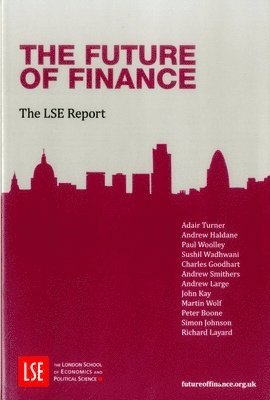
Future of Finance
The LSE Report
Av Adair Turner, Andrew Haldane m. fl.
Häftad, 2010
267 kr
Lägg i varukorg
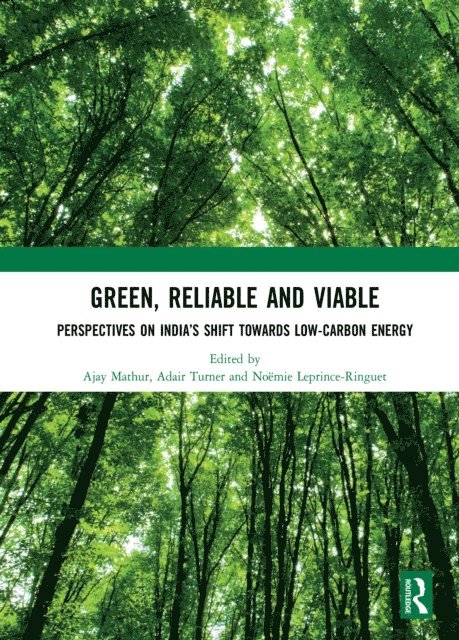
Green, Reliable and Viable
Perspectives on India’s Shift Towards Low-Carbon Energy
Av Noemie Leprince-Ringuet, Adair Turner m. fl.
E-bok, 2019
970 kr
Lägg i varukorg
Resource-intensive practices of yesterday can no longer sustain the world. The future of our planet hinges on timely transitions to efficiency of resource-use across ecosystems of people, products, and processes. This will happen through transitions to low-carbon global energy systems. Against …
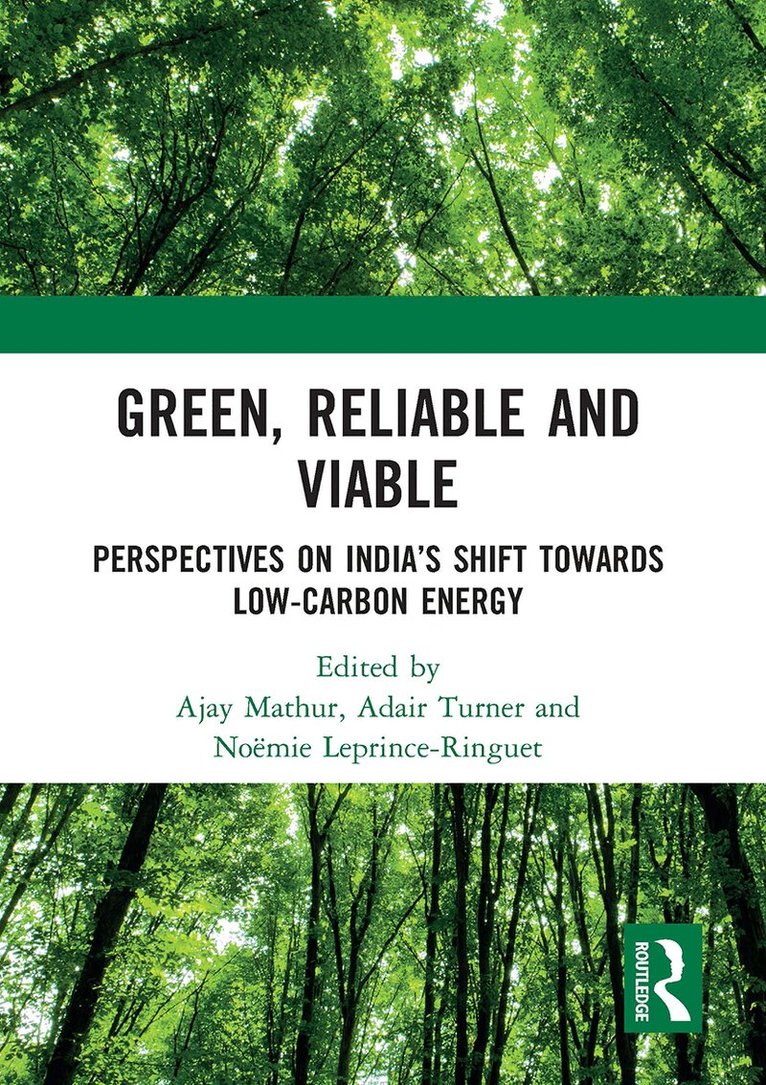
Green, Reliable and Viable
Perspectives on India’s Shift Towards Low-Carbon Energy
Av Noemie Leprince-Ringuet, Adair Turner m. fl.
E-bok, 2019
970 kr
Lägg i varukorg
Resource-intensive practices of yesterday can no longer sustain the world. The future of our planet hinges on timely transitions to efficiency of resource-use across ecosystems of people, products, and processes. This will happen through transitions to low-carbon global energy systems. Against …
Green, Reliable and Viable
Perspectives on India’s Shift Towards Low-Carbon Energy
Av Ajay Mathur, Adair Turner m. fl.
Häftad, 2023
822 kr
Lägg i varukorg
Resource-intensive practices of yesterday can no longer sustain the world. The future of our planet hinges on timely transitions to efficiency of resource-use across ecosystems of people, products, and processes. This will happen through transitions to low-carbon global energy systems. Against …
Between Debt and the Devil
Money, Credit, and Fixing Global Finance
Av Adair Turner
E-bok, 2017
265 kr
Lägg i varukorg
Why our addiction to debt caused the global financial crisis and is the root of our financial woes Adair Turner became chairman of Britain''s Financial Services Authority just as the global financial crisis struck in 2008, and he played a leading role in redesigning global financial regulation. In …