Adam Ewing – författare
489 kr
Skickas inom 5-8 vardagar
298 kr
Skickas inom 5-8 vardagar
1 073 kr
Skickas inom 10-15 vardagar
3 174 kr
Läs direkt efter köp
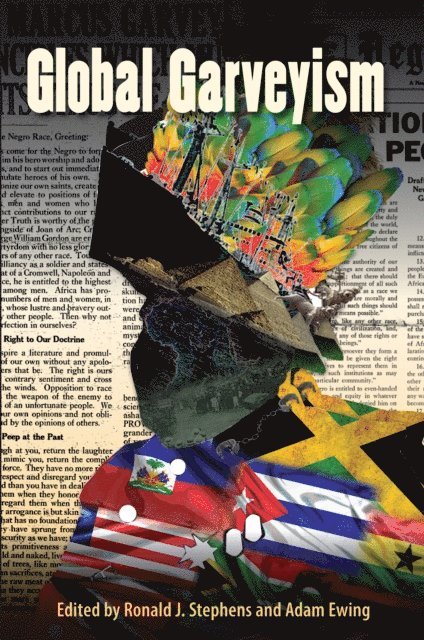
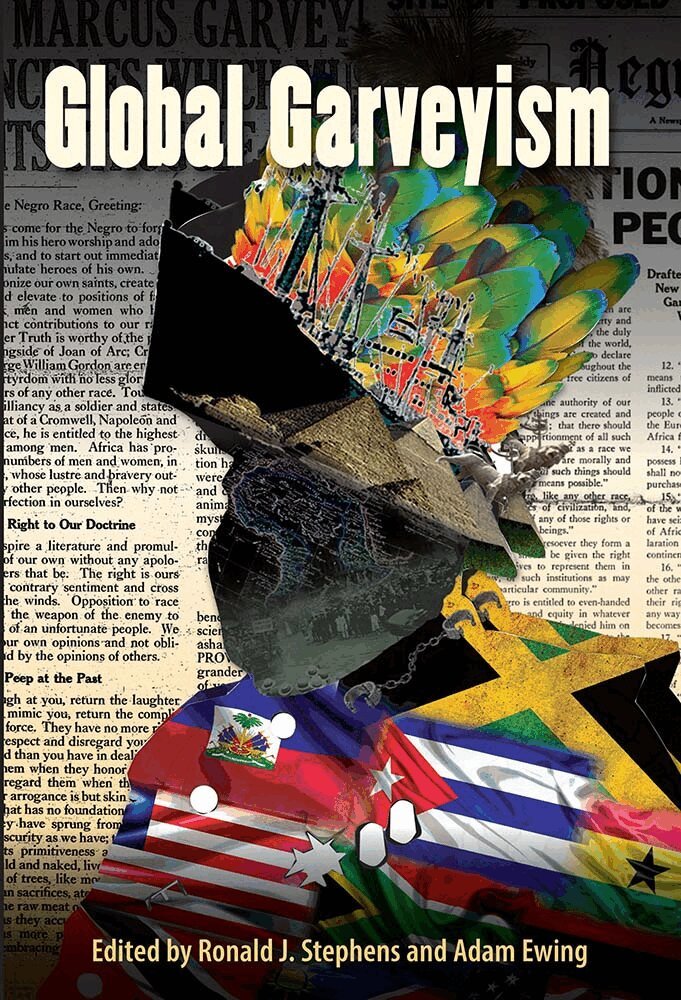
Illuminating the global impact of Marcus Garvey''s Black nationalist philosophy
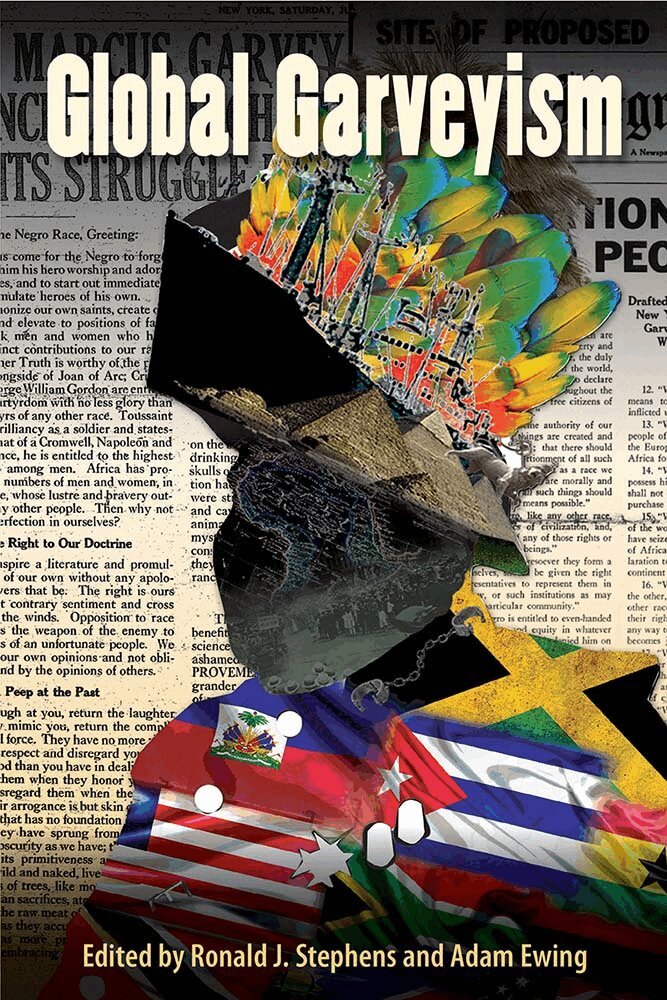
Arguingthat the accomplishments of Jamaican activist Marcus Garvey and his followers have been marginalized in narratives of the Black freedom struggle, this volume builds on decades of overlooked research to revealthe profound impact of Garvey’s post–World War I Black nationalist philosophy around the globe and across the twentieth century.
Theseessays point to the breadth of Garveyism’s spread and its reception in communities across the African diaspora, examining the influence of Garvey’s Universal Negro Improvement Association (UNIA) in Africa, Australia, North America, and the Caribbean. They highlight the underrecognized work of many Garveyite women and show how the UNIA played a key role in shaping labor unions, political organizations, churches, and schools. In addition, contributors describe the importanceof grassroots efforts for expanding the global movement—the UNIA trained leaders to organize local centers of power, whose political activism outside the movement helped Garvey’s message escape its organizational bounds during the 1920s. They trace the imprint of the movement on long-term developments such as decolonization in Africa and the Caribbean, the pan-Aboriginal fight for land rights in Australia, the civil rights and Black Power movements in the United States, and theradical pan-African movement.
Rejecting the idea that Garveyism was a brief and misguided phenomenon, this volume exposes its scope, significance, and endurance. Together, contributors assert that Garvey initiated the most important mass movement in the history of the African diaspora, and they urge readers to rethink the emergence of modern Black politics with Garveyism at the center.
Contributors: RonaldJ. Stephens | Adam Ewing | Keisha N. Blain | Nicole Bourbonnais | José Andrés Fernández Montes de Oca | John Maynard | Erik S. McDuffie | Frances Peace Sullivan | Robert Trent Vinson | Michael O. West
1 409 kr
Skickas inom 10-15 vardagar
3 341 kr
Läs direkt efter köp
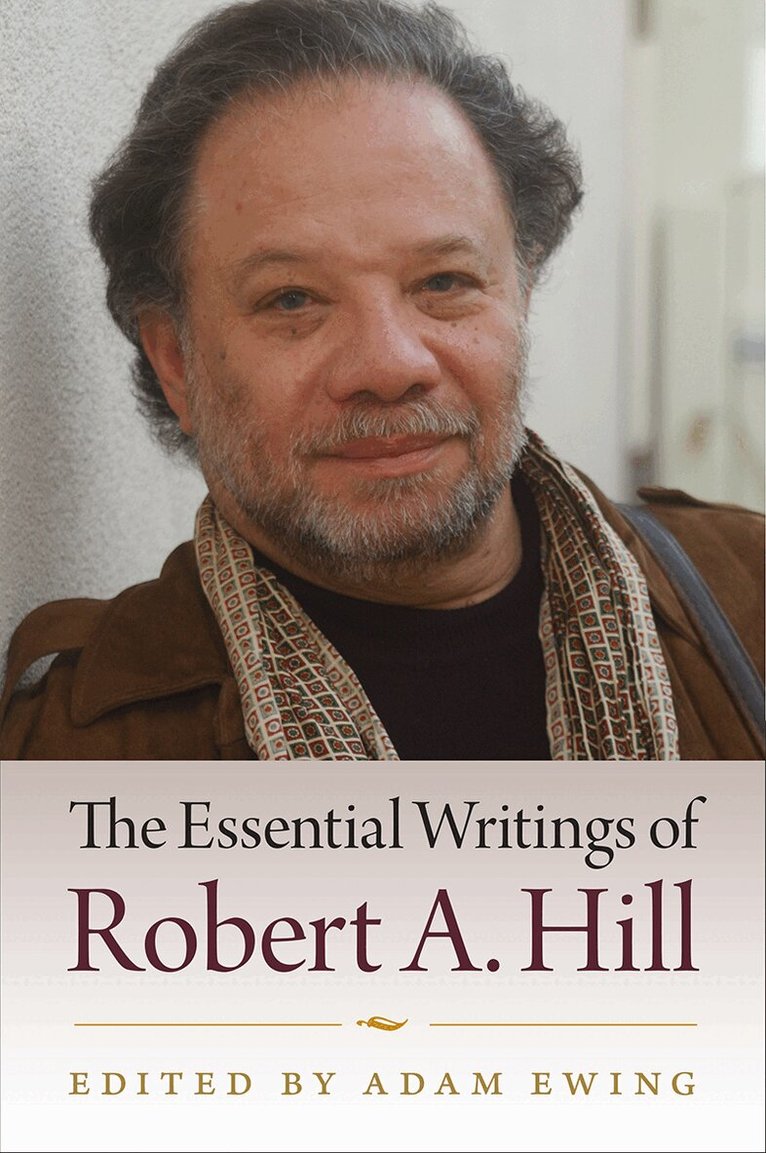
Collected for the first time, thefoundational contributions of a scholar and activist who shaped the study ofGarveyism and pan-Africanism
Thisvolume brings together Robert A. Hill’s most important writings for the firsttime, highlighting his intellectual contributions to the history ofpan-Africanism. A pioneering scholar and activist, a groundbreakingbuilder of pan-African archives, and the editor of the multivolume MarcusGarvey and Universal Negro Improvement Association Papers, Hill remains underacknowledgedfor his influence on the field. This collection is a long-overdue testament tohis legacy.
AdamEwing showcases Hill’s groundbreaking writings on Garveyism, the pan-African,anticolonial movement that spread across the globe following World War I. Hill’sessays trace Marcus Garvey’s evolving thought and illuminate the resonance ofthe movement in the Caribbean and its diaspora, in the United States, andacross sub-Saharan Africa. The volume also includes Hill’s writings on diverse aspectsof pan-Africanism, including the impostor figure in diaspora history, CyrilBriggs’s African Blood Brotherhood, the Rastafarian movement, the fiction of GeorgeSchuyler, George Beckford and the Abeng collective in Jamaica, the theories ofWalter Rodney, the life and thought of C.L.R. James, and the music of BobMarley.
Thisvolume not only demonstrates Hill’s intellectual praxis and its roots in his academic influences and personal experiences but also revealsthe breadth, diversity, complexity, and centrality of the pan-African traditionin African diasporic politics and thought.
Publicationof this work made possible by a Sustaining the Humanities through the AmericanRescue Plan grant from the National Endowment for the Humanities.
1 003 kr
Läs direkt efter köp
Collected for the first time, the foundational contributionsof a scholar and activist who shaped the study of Garveyism and pan-Africanism
This volume brings together Robert A. Hill’s most importantwritings for the first time, highlighting his intellectual contributions to thehistory of pan-Africanism. A pioneering scholar and activist, a groundbreakingbuilder of pan-African archives, and the editor of the multivolume MarcusGarvey and Universal Negro Improvement Association Papers, Hill remainsunderacknowledged for his influence on the field. This collection is along-overdue testament to his legacy.
Adam Ewing showcases Hill’s groundbreaking writings onGarveyism, the pan-African, anticolonial movement that spread across the globefollowing World War I. Hill’s essays trace Marcus Garvey’s evolving thought andilluminate the resonance of the movement in the Caribbean and its diaspora, inthe United States, and across sub-Saharan Africa. The volume also includesHill’s writings on diverse aspects of pan-Africanism, including the impostorfigure in diaspora history, Cyril Briggs’s African Blood Brotherhood, theRastafarian movement, the fiction of George Schuyler, George Beckford and theAbeng collective in Jamaica, the theories of Walter Rodney, the life andthought of C.L.R. James, and the music of Bob Marley.
This volume not only demonstrates Hill’s intellectual praxisand its roots in his academic influences and personal experiences but alsoreveals the breadth, diversity, complexity, and centrality of the pan-Africantradition in African diasporic politics and thought.
Publication of this work made possible by a Sustaining theHumanities through the American Rescue Plan grant from the National Endowmentfor the Humanities.
475 kr
Läs direkt efter köp
Illuminating the global impact of Marcus Garvey''s Black nationalist philosophy
Arguingthat the accomplishments of Jamaican activist Marcus Garvey and his followers have been marginalized in narratives of the Black freedom struggle, this volume builds on decades of overlooked research to revealthe profound impact of Garvey’s post–World War I Black nationalist philosophy around the globe and across the twentieth century.
Theseessays point to the breadth of Garveyism’s spread and its reception in communities across the African diaspora, examining the influence of Garvey’s Universal Negro Improvement Association (UNIA) in Africa, Australia, North America, and the Caribbean. They highlight the underrecognized work of many Garveyite women and show how the UNIA played a key role in shaping labor unions, political organizations, churches, and schools. In addition, contributors describe the importanceof grassroots efforts for expanding the global movement—the UNIA trained leaders to organize local centers of power, whose political activism outside the movement helped Garvey’s message escape its organizational bounds during the 1920s. They trace the imprint of the movement on long-term developments such as decolonization in Africa and the Caribbean, the pan-Aboriginal fight for land rights in Australia, the civil rights and Black Power movements in the United States, and theradical pan-African movement.
Rejecting the idea that Garveyism was a brief and misguided phenomenon, this volume exposes its scope, significance, and endurance. Together, contributors assert that Garvey initiated the most important mass movement in the history of the African diaspora, and they urge readers to rethink the emergence of modern Black politics with Garveyism at the center.
Contributors: RonaldJ. Stephens | Adam Ewing | Keisha N. Blain | Nicole Bourbonnais | José Andrés Fernández Montes de Oca | John Maynard | Erik S. McDuffie | Frances Peace Sullivan | Robert Trent Vinson | Michael O. West
302 kr
Skickas inom 10-15 vardagar
401 kr
Läs direkt efter köp
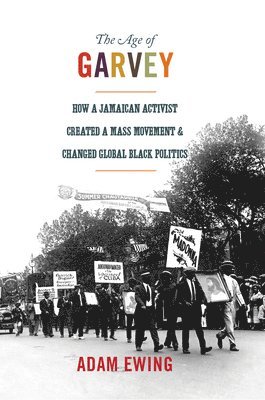
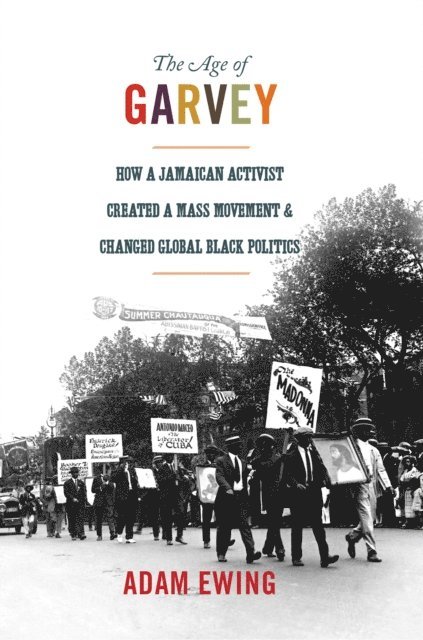
A groundbreaking exploration of Garveyism''s global influence during the interwar years and beyondJamaican activist Marcus Garvey (1887–1940) organized the Universal Negro Improvement Association in Harlem in 1917. By the early 1920s, his program of African liberation and racial uplift had attracted millions of supporters, both in the United States and abroad. The Age of Garvey presents an expansive global history of the movement that came to be known as Garveyism. Offering a groundbreaking new interpretation of global black politics between the First and Second World Wars, Adam Ewing charts Garveyism''s emergence, its remarkable global transmission, and its influence in the responses among African descendants to white supremacy and colonial rule in Africa, the Caribbean, and the United States.Delving into the organizing work and political approach of Garvey and his followers, Ewing shows that Garveyism emerged from a rich tradition of pan-African politics that had established, by the First World War, lines of communication among black intellectuals on both sides of the Atlantic. Garvey’s legacy was to reengineer this tradition as a vibrant and multifaceted mass politics. Ewing looks at the people who enabled Garveyism’s global spread, including labor activists in the Caribbean and Central America, community organizers in the urban and rural United States, millennial religious revivalists in central and southern Africa, welfare associations and independent church activists in Malawi and Zambia, and an emerging generation of Kikuyu leadership in central Kenya. Moving away from the images of quixotic business schemes and repatriation efforts, The Age of Garvey demonstrates the consequences of Garveyism’s international presence and provides a dynamic and unified framework for understanding the movement, during the interwar years and beyond.