Adam Rosenblatt – författare
Visar alla böcker från författaren Adam Rosenblatt. Handla med fri frakt och snabb leverans.
8 produkter
8 produkter
Inbunden, Engelska, 2015
1 165 kr
Skickas inom 10-15 vardagar
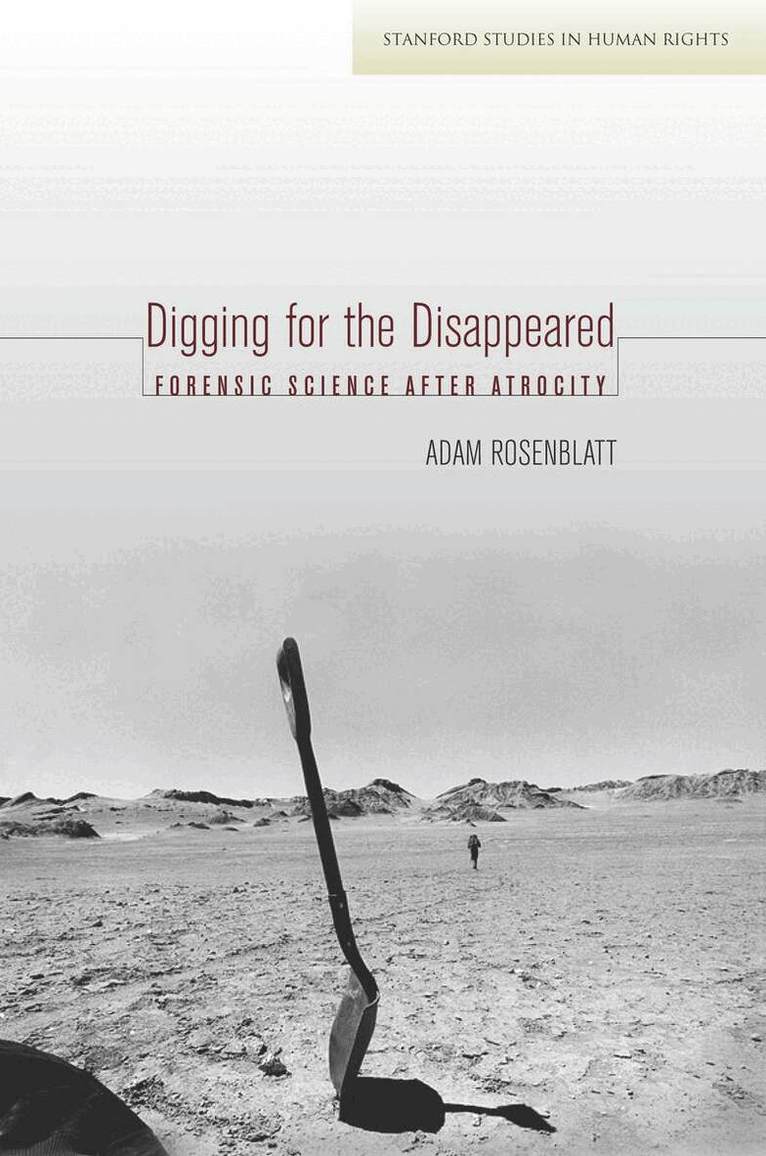
The mass graves from our long human history of genocide, massacres, and violent conflict form an underground map of atrocity that stretches across the planet's surface. In the past few decades, due to rapidly developing technologies and a powerful global human rights movement, the scientific study of those graves has become a standard facet of post-conflict international assistance. Digging for the Disappeared provides readers with a window into this growing but little-understood form of human rights work, including the dangers and sometimes unexpected complications that arise as evidence is gathered and the dead are named.Adam Rosenblatt examines the ethical, political, and historical foundations of the rapidly growing field of forensic investigation, from the graves of the "disappeared" in Latin America to genocides in Rwanda and the former Yugoslavia to post–Saddam Hussein Iraq. In the process, he illustrates how forensic teams strive to balance the needs of war crimes tribunals, transitional governments, and the families of the missing in post-conflict nations. Digging for the Disappeared draws on interviews with key players in the field to present a new way to analyze and value the work forensic experts do at mass graves, shifting the discussion from an exclusive focus on the rights of the living to a rigorous analysis of the care of the dead. Rosenblatt tackles these heady, hard topics in order to extend human rights scholarship into the realm of the dead and the limited but powerful forms of repair available for victims of atrocity.
E-bok
Engelska, 2015325 kr
Läs direkt efter köp
The mass graves from our long human history of genocide, massacres, and violent conflict form an underground map of atrocity that stretches across the planet's surface. In the past few decades, due to rapidly developing technologies and a powerful global human rights movement, the scientific study of those graves has become a standard facet of post-conflict international assistance. Digging for the Disappeared provides readers with a window into this growing but little-understood form of human rights work, including the dangers and sometimes unexpected complications that arise as evidence is gathered and the dead are named.Adam Rosenblatt examines the ethical, political, and historical foundations of the rapidly growing field of forensic investigation, from the graves of the "disappeared" in Latin America to genocides in Rwanda and the former Yugoslavia to post–Saddam Hussein Iraq. In the process, he illustrates how forensic teams strive to balance the needs of war crimes tribunals, transitional governments, and the families of the missing in post-conflict nations. Digging for the Disappeared draws on interviews with key players in the field to present a new way to analyze and value the work forensic experts do at mass graves, shifting the discussion from an exclusive focus on the rights of the living to a rigorous analysis of the care of the dead. Rosenblatt tackles these heady, hard topics in order to extend human rights scholarship into the realm of the dead and the limited but powerful forms of repair available for victims of atrocity.
Häftad, Engelska, 2015
283 kr
Skickas inom 10-15 vardagar
The mass graves from our long human history of genocide, massacres, and violent conflict form an underground map of atrocity that stretches across the planet's surface. In the past few decades, due to rapidly developing technologies and a powerful global human rights movement, the scientific study of those graves has become a standard facet of post-conflict international assistance. Digging for the Disappeared provides readers with a window into this growing but little-understood form of human rights work, including the dangers and sometimes unexpected complications that arise as evidence is gathered and the dead are named.Adam Rosenblatt examines the ethical, political, and historical foundations of the rapidly growing field of forensic investigation, from the graves of the "disappeared" in Latin America to genocides in Rwanda and the former Yugoslavia to post–Saddam Hussein Iraq. In the process, he illustrates how forensic teams strive to balance the needs of war crimes tribunals, transitional governments, and the families of the missing in post-conflict nations. Digging for the Disappeared draws on interviews with key players in the field to present a new way to analyze and value the work forensic experts do at mass graves, shifting the discussion from an exclusive focus on the rights of the living to a rigorous analysis of the care of the dead. Rosenblatt tackles these heady, hard topics in order to extend human rights scholarship into the realm of the dead and the limited but powerful forms of repair available for victims of atrocity.
Inbunden, Engelska, 2024
1 203 kr
Skickas inom 5-8 vardagar
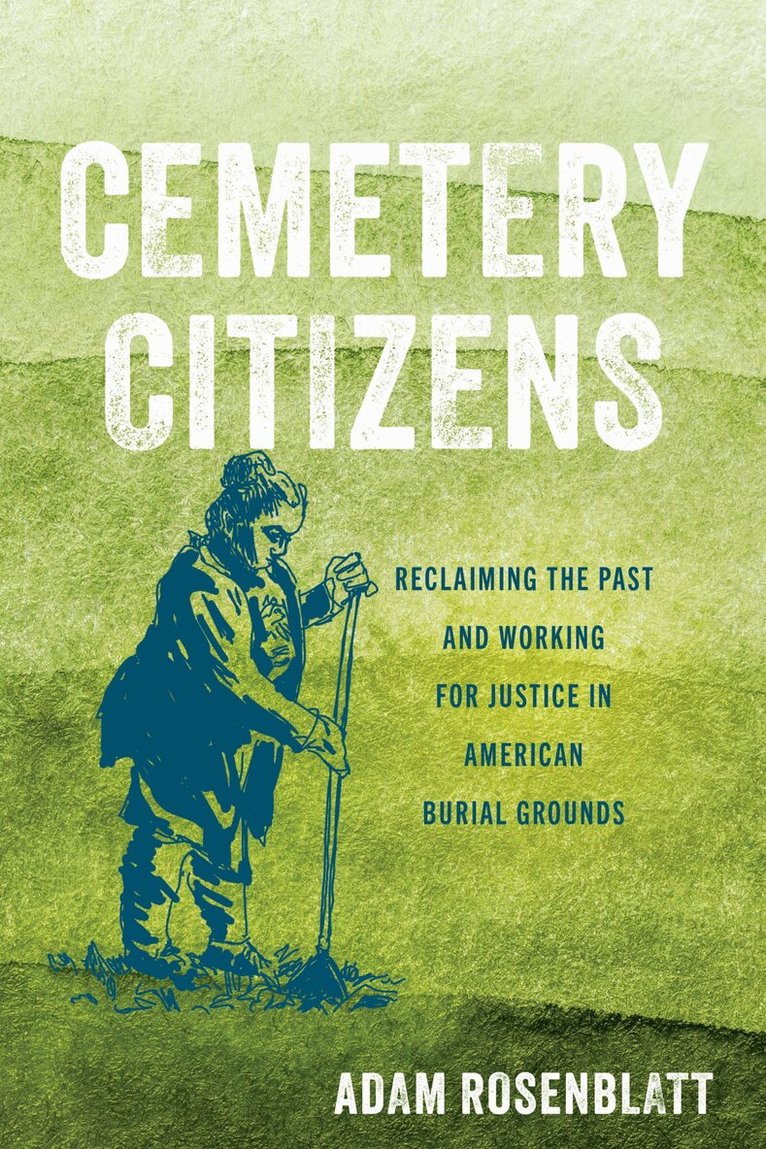
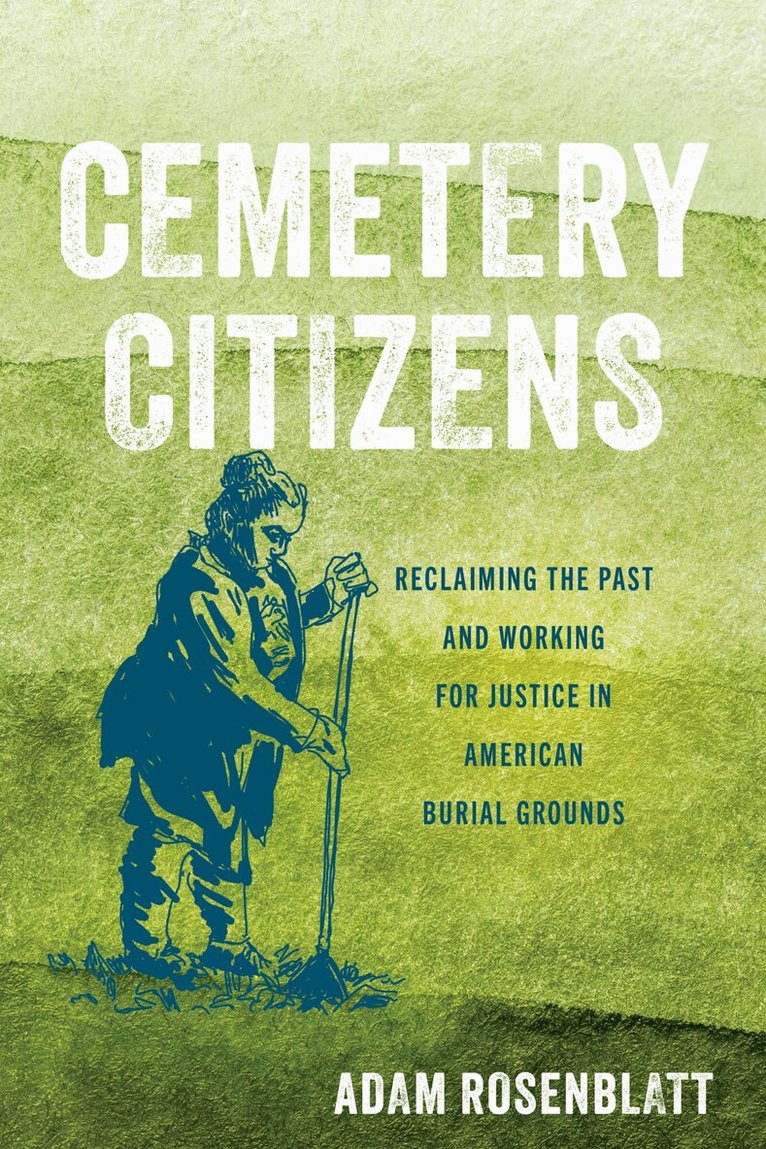
Across the United States, groups of grassroots volunteers gather in overgrown, systemically neglected cemeteries. As they rake, clean headstones, and research silenced histories, they offer care to individuals who were denied basic rights and forms of belonging in life and in death. Cemetery Citizens is the first book-length study of this emerging form of social justice work. It focuses on how racial disparities shape the fates of the dead, and asks what kinds of repair are still possible. Drawing on interviews, activist anthropology, poems, and drawings, Adam Rosenblatt takes us to gravesite reclamation efforts in three prominent American cities.Cemetery Citizens dives into the ethical quandaries and practical complexities of cemetery reclamation, showing how volunteers build community across social boundaries, craft new ideas about citizenship and ancestry, and expose injustices that would otherwise be suppressed. Ultimately, Rosenblatt argues that an ethic of reclamation must honor the presence of the dead—treating them as fellow cemetery citizens who share our histories, landscapes, and need for care.
Häftad, Engelska, 2024
292 kr
Skickas inom 5-8 vardagar
Across the United States, groups of grassroots volunteers gather in overgrown, systemically neglected cemeteries. As they rake, clean headstones, and research silenced histories, they offer care to individuals who were denied basic rights and forms of belonging in life and in death. Cemetery Citizens is the first book-length study of this emerging form of social justice work. It focuses on how racial disparities shape the fates of the dead, and asks what kinds of repair are still possible. Drawing on interviews, activist anthropology, poems, and drawings, Adam Rosenblatt takes us to gravesite reclamation efforts in three prominent American cities.Cemetery Citizens dives into the ethical quandaries and practical complexities of cemetery reclamation, showing how volunteers build community across social boundaries, craft new ideas about citizenship and ancestry, and expose injustices that would otherwise be suppressed. Ultimately, Rosenblatt argues that an ethic of reclamation must honor the presence of the dead—treating them as fellow cemetery citizens who share our histories, landscapes, and need for care.
E-bok
Engelska, 2024341 kr
Läs direkt efter köp
Across the United States, groups of grassroots volunteers gather in overgrown, systemically neglected cemeteries. As they rake, clean headstones, and research silenced histories, they offer care to individuals who were denied basic rights and forms of belonging in life and in death. Cemetery Citizens is the first book-length study of this emerging form of social justice work. It focuses on how racial disparities shape the fates of the dead, and asks what kinds of repair are still possible. Drawing on interviews, activist anthropology, poems, and drawings, Adam Rosenblatt takes us to gravesite reclamation efforts in three prominent American cities.Cemetery Citizens dives into the ethical quandaries and practical complexities of cemetery reclamation, showing how volunteers build community across social boundaries, craft new ideas about citizenship and ancestry, and expose injustices that would otherwise be suppressed. Ultimately, Rosenblatt argues that an ethic of reclamation must honor the presence of the dead—treating them as fellow cemetery citizens who share our histories, landscapes, and need for care.
Del 5 - Justicia Transicional, Derecho
En busca de los desaparecidos: Ciencia forense después de atrocidades
Häftad, Spanska, 2019
280 kr
Skickas inom 3-6 vardagar
E-bok
Spanska, 201980 kr
Läs direkt efter köp
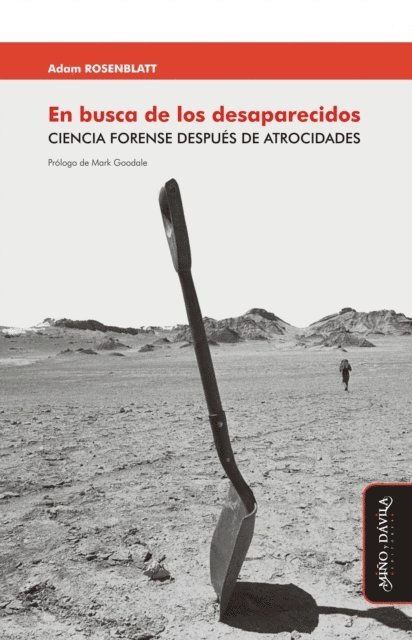
Las fosas comunes de nuestra larga historia humana de genocidio, masacres y conflictos violentos, forman un mapa subterráneo de la atrocidad que se extiende a través de la superficie del planeta. En las últimas décadas, el estudio científico de esas fosas se ha transformado en una faceta estándar de la asistencia internacional posterior al conflicto. En busca de los desaparecidos les brinda a los lectores una ventana a esta forma creciente pero poco conocida de trabajo de derechos humanos, incluidos los peligros y, a veces, las complicaciones inesperadas que surgen mientras se reúnen pruebas y se nombra a los muertos.Adam Rosenblatt examina los fundamentos éticos, políticos e históricos de la investigación forense de crímenes de lesa humanidad, desde las fosas de los "desaparecidos" en América Latina y los genocidios en Ruanda y la antigua Yugoslavia, hasta el Irak post Saddam Hussein. En ese proceso, ilustra cómo los equipos forenses responden a las distintas necesidades de los tribunales de crímenes de guerra, los gobiernos transicionales y las familias de los desaparecidos. A través de entrevistas con actores clave, En busca de los desaparecidos presenta una nueva manera de analizar el trabajo que realizan los expertos forenses en las fosas comunes. El libro desplaza la discusión desde un enfoque exclusivo sobre los derechos de los vivos a un análisis riguroso del cuidado de los muertos. Rosenblatt aborda estos temas difíciles con el fin de ampliar la investigación sobre las formas limitadas pero poderosas de reparación disponibles para las víctimas de la atrocidad.