Adiasri Putri Purbantina – författare
Visar alla böcker från författaren Adiasri Putri Purbantina. Handla med fri frakt och snabb leverans.
2 produkter
2 produkter
Häftad, Engelska, 2026
212 kr
Kommande
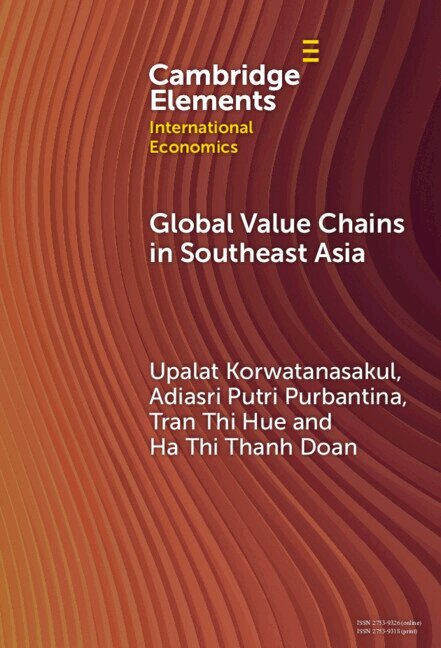
This Element explores the developmental implications of Southeast Asia's participation in global value chains (GVCs), focusing on the coffee, textile and clothing, and automotive sectors. While GVC integration has supported industrialisation, exports, and employment, the benefits are not guaranteed. Southeast Asian countries, except for a few cases, remain confined to low-value-added activities, with limited innovation, weak support for small and medium-sized enterprises (SMEs), and persistent inequality. Sectoral case studies reveal barriers to upgrading: smallholder coffee farmers face institutional and coordination challenges; textile and clothing producers in Cambodia and Myanmar are stuck in low-skill roles; and domestic automotive firms struggle to move beyond assembly. The Element calls for a shift from passive participation to active upgrading through stronger innovation systems, SME support, social and environmental standards, and deeper regional cooperation. It concludes that GVCs can promote inclusive and sustainable growth-but only when embedded in deliberate national and regional strategies.
Inbunden, Engelska, 2026
639 kr
Kommande
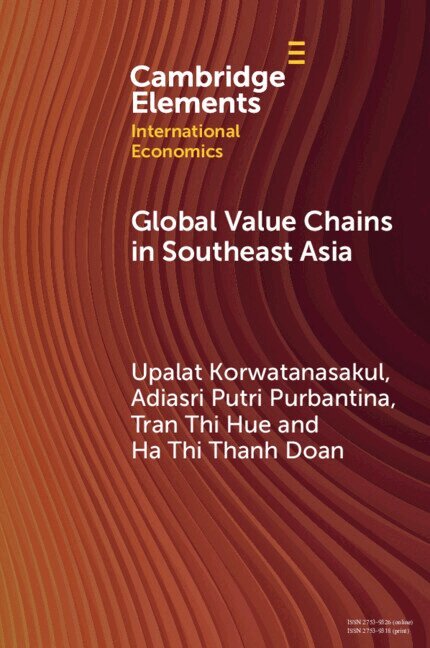
This Element explores the developmental implications of Southeast Asia's participation in global value chains (GVCs), focusing on the coffee, textile and clothing, and automotive sectors. While GVC integration has supported industrialisation, exports, and employment, the benefits are not guaranteed. Southeast Asian countries, except for a few cases, remain confined to low-value-added activities, with limited innovation, weak support for small and medium-sized enterprises (SMEs), and persistent inequality. Sectoral case studies reveal barriers to upgrading: smallholder coffee farmers face institutional and coordination challenges; textile and clothing producers in Cambodia and Myanmar are stuck in low-skill roles; and domestic automotive firms struggle to move beyond assembly. The Element calls for a shift from passive participation to active upgrading through stronger innovation systems, SME support, social and environmental standards, and deeper regional cooperation. It concludes that GVCs can promote inclusive and sustainable growth-but only when embedded in deliberate national and regional strategies.