Ahmed E. Yousef – författare
Visar alla böcker från författaren Ahmed E. Yousef. Handla med fri frakt och snabb leverans.
3 produkter
3 produkter
904 kr
Skickas inom 10-15 vardagar
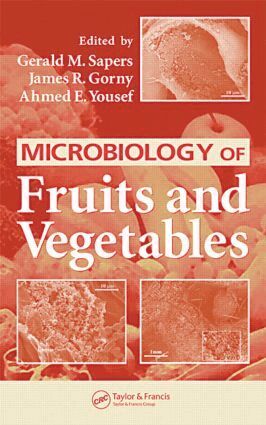
Fresh and fresh-cut fruits and vegetables have an excellent safety record. However, surveillance data from the U.S. Centers for Disease Control and Prevention and recent foodborne illness outbreaks have demonstrated that the incidence of foodborne illnesses linked to the consumption of contaminated fresh fruit and vegetable products may in fact be more prevalent than previously thought. U.S. FDA and USDA microbiological surveys of domestic and imported fresh fruits and vegetables demonstrate that human pathogens are sporadically found to be associated with fresh produce. In addition to increased safety concerns, microbial spoilage represents a significant source of waste for growers, packers, retailers, and consumers.Microbiology of Fruits and Vegetables reviews the extensive research that has been conducted on microbiological problems relating to the safety and spoilage of fruits and vegetables in recent years. It considers incidences of human pathogen contamination, sources of microbial contamination, microbial attachment to produce surfaces, intractable spoilage problems, efficacy of sanitizing treatments for fresh produce, novel interventions for produce disinfection, and methodology for microbiological evaluation of fruits and vegetables.The text is divided into five sections:(I)contamination and state of microflora on fruits and vegetables(II)microbial spoilage of fruits and vegetables(III)food safety issues(IV)interventions to reduce spoilage and risk of foodborne illness(V)microbiological evaluation of fruits and vegetables.In Microbiology of Fruits and Vegetables, the editors, three leaders in the field, have endeavored to present a comprehensive examination, focusing on issues needing coverage, rather than attempting an encyclopedic compilation. They have selected chapter authors who are active researchers in their respective fields and thus bring a working knowledge of current issues, industry practices, and advances in technology.
937 kr
Skickas inom 7-10 vardagar
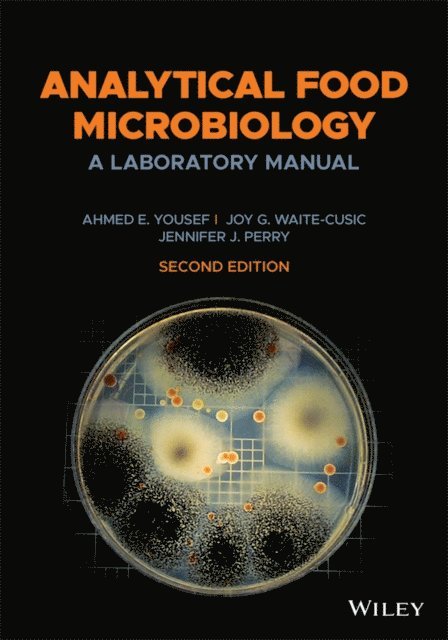
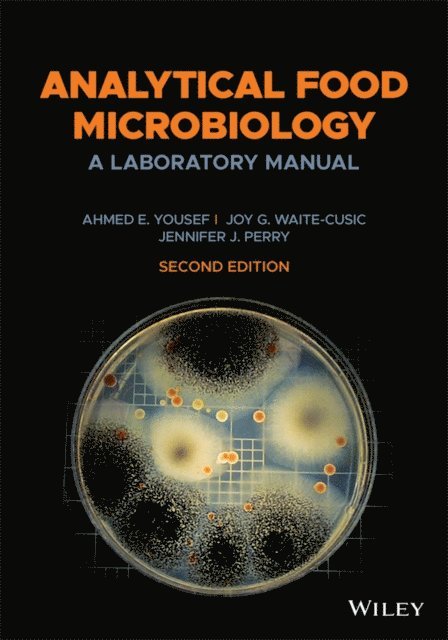
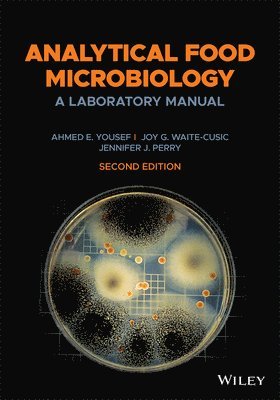
The new edition of the highly regarded laboratory manual for courses in food microbiologyAnalytical Food Microbiology: A Laboratory Manual develops the practical skills and knowledge required by students and trainees to assess the microbiological quality and safety of food. This user-friendly textbook covers laboratory safety, basic microbiological techniques, evaluation of food for various microbiological groups, detection and enumeration of foodborne pathogens, and control of undesirable foodborne microorganisms. Each well-defined experiment includes clear learning objectives and detailed explanations to help learners understand essential techniques and approaches in applied microbiology.The fully revised second edition presents improved conventional techniques, advanced analytical methodologies, updated content reflecting emerging food safety concerns, and new laboratory experiments incorporating commercially available microbiological media. Throughout the book, clear and concise chapters explain culture- and molecular-based approaches for assessing microbial quality and safety of diverse foods. This expanded and updated resource: Reviews aseptic techniques, dilution, plating, streaking, isolation, and other basic microbiological proceduresIntroduces exercises and relevant microorganisms with pertinent background information and reference materialDescribes each technique using accessible explanatory text, detailed illustrations, and easy-to-follow flowchartsEmploys a proven “building block” approach throughout, with each new chapter building upon skills from the previous chapterProvides useful appendices of microbiological media, recommended control organisms, available supplies and equipment, and laboratory exercise reportsWith methods drawn from the authors’ extensive experience in academic, regulatory, and industry laboratories, Analytical Food Microbiology: A Laboratory Manual, Second Edition, is ideal for undergraduate and graduate students in food microbiology courses, as well as food processors and quality control personnel in laboratory training programs.
4 694 kr
Skickas inom 10-15 vardagar
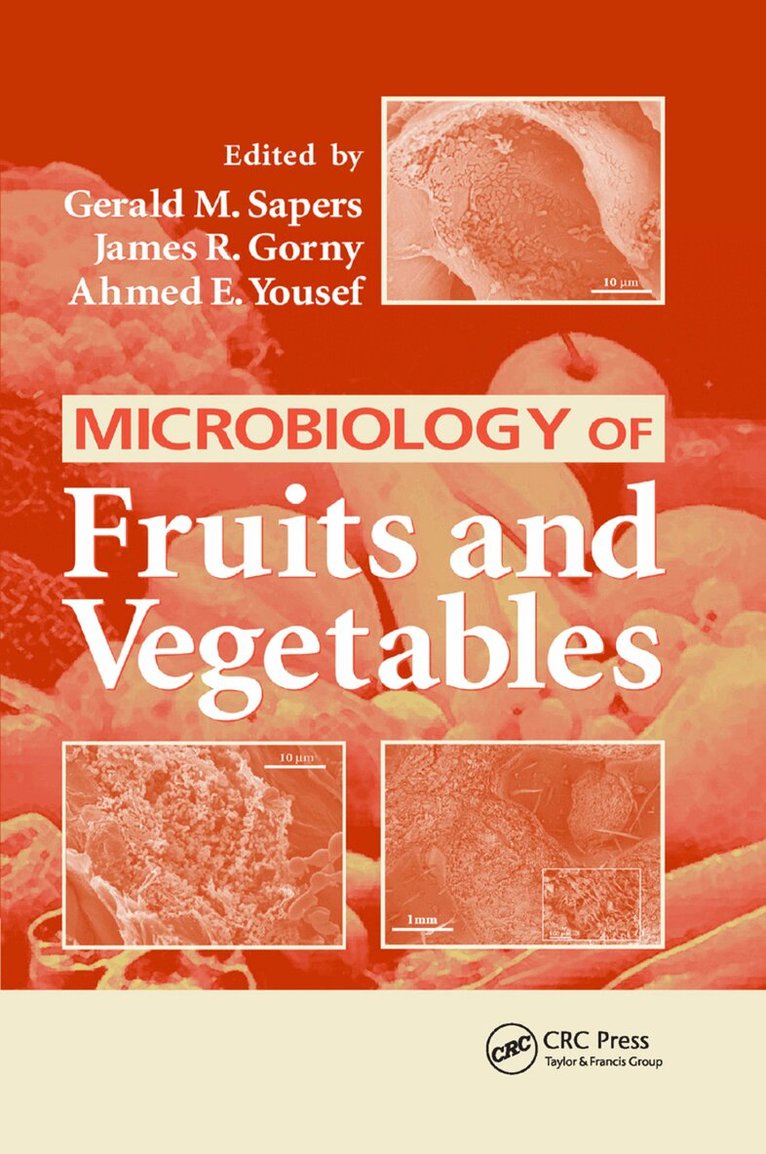
Fresh and fresh-cut fruits and vegetables have an excellent safety record. However, surveillance data from the U.S. Centers for Disease Control and Prevention and recent foodborne illness outbreaks have demonstrated that the incidence of foodborne illnesses linked to the consumption of contaminated fresh fruit and vegetable products may in fact be more prevalent than previously thought. U.S. FDA and USDA microbiological surveys of domestic and imported fresh fruits and vegetables demonstrate that human pathogens are sporadically found to be associated with fresh produce. In addition to increased safety concerns, microbial spoilage represents a significant source of waste for growers, packers, retailers, and consumers.Microbiology of Fruits and Vegetables reviews the extensive research that has been conducted on microbiological problems relating to the safety and spoilage of fruits and vegetables in recent years. It considers incidences of human pathogen contamination, sources of microbial contamination, microbial attachment to produce surfaces, intractable spoilage problems, efficacy of sanitizing treatments for fresh produce, novel interventions for produce disinfection, and methodology for microbiological evaluation of fruits and vegetables.The text is divided into five sections:(I)contamination and state of microflora on fruits and vegetables(II)microbial spoilage of fruits and vegetables(III)food safety issues(IV)interventions to reduce spoilage and risk of foodborne illness(V)microbiological evaluation of fruits and vegetables.In Microbiology of Fruits and Vegetables, the editors, three leaders in the field, have endeavored to present a comprehensive examination, focusing on issues needing coverage, rather than attempting an encyclopedic compilation. They have selected chapter authors who are active researchers in their respective fields and thus bring a working knowledge of current issues, industry practices, and advances in technology.