Akebe Luther King Abia - Böcker
Visar alla böcker från författaren Akebe Luther King Abia. Handla med fri frakt och snabb leverans.
7 produkter
7 produkter
1 470 kr
Skickas inom 10-15 vardagar
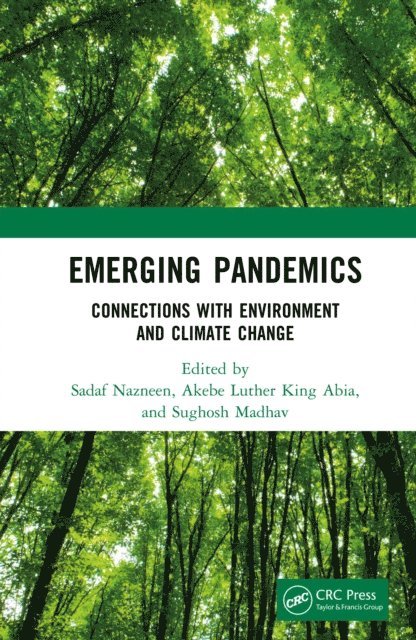
Pandemics are often associated with viruses and bacteria occurring in wildlife in natural environments. Thus, diseases of epidemic and pandemic scale are mostly zoonotic, some of which include AIDS, Zika virus, severe acute respiratory syndrome (SARS), and COVID-19. The book seeks to explore the documented history of pandemics and various epidemics that have the potential of turning into pandemics with the warming climate, pollution, and environmental destruction.The book covers some of the most essential elements of the diseases of pandemic nature and their relationship with the environment:Environment as a reservoir of human diseasesClimate change: emerging driver of infectious diseasesOccurrence and environmental dimensions of specific pandemics and epidemicsPandemics, environment, and globalisation: understanding the interlinkage in the context of COVID-19Climate change and zoonotic diseases: malaria, plague, dengue, encephalitisTuberculosis: an old enemy of mankind and possible next pandemicLassa fever in Nigeria: case fatality ratio, social consequences, and preventionThere are cases where scientists fear that many epidemics have the potential of turning into pandemics, if we do not pay attention to them, and measures are not being taken to control these occurrences. This book attempts to provide integrated risk assessment on pandemics like COVID-19. It covers fundamental factors of global disease outbreaks through the complexity and severity of consequences. The information collated in this book will help in the design of mitigation measures, including behavioral changes that could prevent the emergence of such pandemics, thus protecting human life and minimising losses incurred due to diseases of such magnitude.
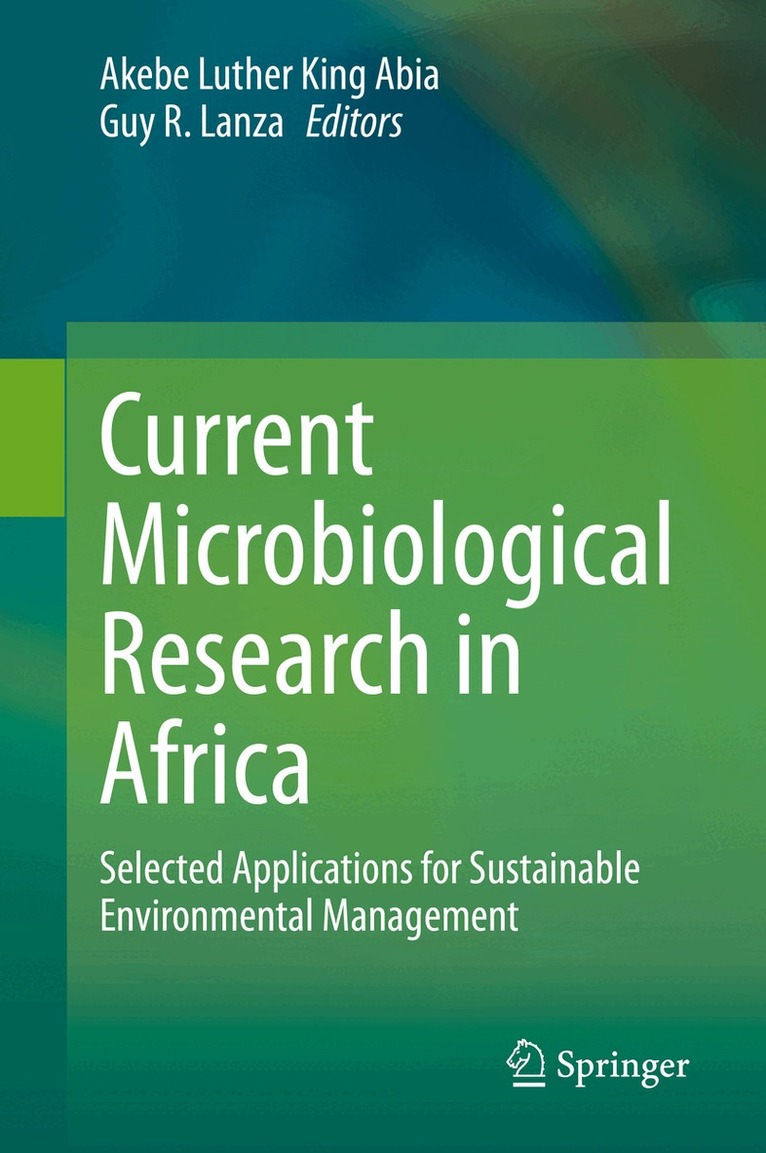
Current Microbiological Research in Africa
Selected Applications for Sustainable Environmental Management
Inbunden, Engelska, 2020
1 096 kr
Skickas inom 10-15 vardagar
Scientific output in low- and middle-income countries is greatly challenged by numerous factors. This is particularly pronounced in sub-Saharan African countries, despite the continent being the world’s second largest and second most-populous continent, currently undergoing rapid economic growth. Financial constraints and unclear areas of focus when funding is available, are among the limiting factors, with the consequence being the development of inadequate policies, especially those relating to environmental protection and conservation.This 13-chapter book is a unique piece in the field of microbiology, designed to stimulate some research areas in Africa by illustrating interesting and informative examples of the current applied research agenda in environmental microbiology in selected countries within the continent. With authors from the North, South, East and West of Africa, the book touches diverse applied methods and approaches to meet the pragmatic needs faced by environmental microbiologists in Africa. Also included are topics on viruses, bacteria (including cyanobacteria), and protozoa, and their importance in disease. Sustainable agriculture and aquaculture, and eco-friendly oil and hydrocarbon bioremediation and degradation approaches are highlighted. Microbial involvement in different common indoor (e.g., household kitchens, latrines, and hospitals) and outdoor settings including air, soil, and water habitats, and their resistance to commonly used antibiotics, are described. Hopefully, the work presented here will stimulate the need for increasing modern training and funding initiatives to prepare African microbiologists to meet the challenges they face in African universities and research laboratories.
Current Microbiological Research in Africa
Selected Applications for Sustainable Environmental Management
Häftad, Engelska, 2021
1 096 kr
Skickas inom 10-15 vardagar
Scientific output in low- and middle-income countries is greatly challenged by numerous factors. This is particularly pronounced in sub-Saharan African countries, despite the continent being the world’s second largest and second most-populous continent, currently undergoing rapid economic growth. Financial constraints and unclear areas of focus when funding is available, are among the limiting factors, with the consequence being the development of inadequate policies, especially those relating to environmental protection and conservation.This 13-chapter book is a unique piece in the field of microbiology, designed to stimulate some research areas in Africa by illustrating interesting and informative examples of the current applied research agenda in environmental microbiology in selected countries within the continent. With authors from the North, South, East and West of Africa, the book touches diverse applied methods and approaches to meet the pragmatic needs faced by environmental microbiologists in Africa. Also included are topics on viruses, bacteria (including cyanobacteria), and protozoa, and their importance in disease. Sustainable agriculture and aquaculture, and eco-friendly oil and hydrocarbon bioremediation and degradation approaches are highlighted. Microbial involvement in different common indoor (e.g., household kitchens, latrines, and hospitals) and outdoor settings including air, soil, and water habitats, and their resistance to commonly used antibiotics, are described. Hopefully, the work presented here will stimulate the need for increasing modern training and funding initiatives to prepare African microbiologists to meet the challenges they face in African universities and research laboratories.
2 402 kr
Skickas inom 10-15 vardagar
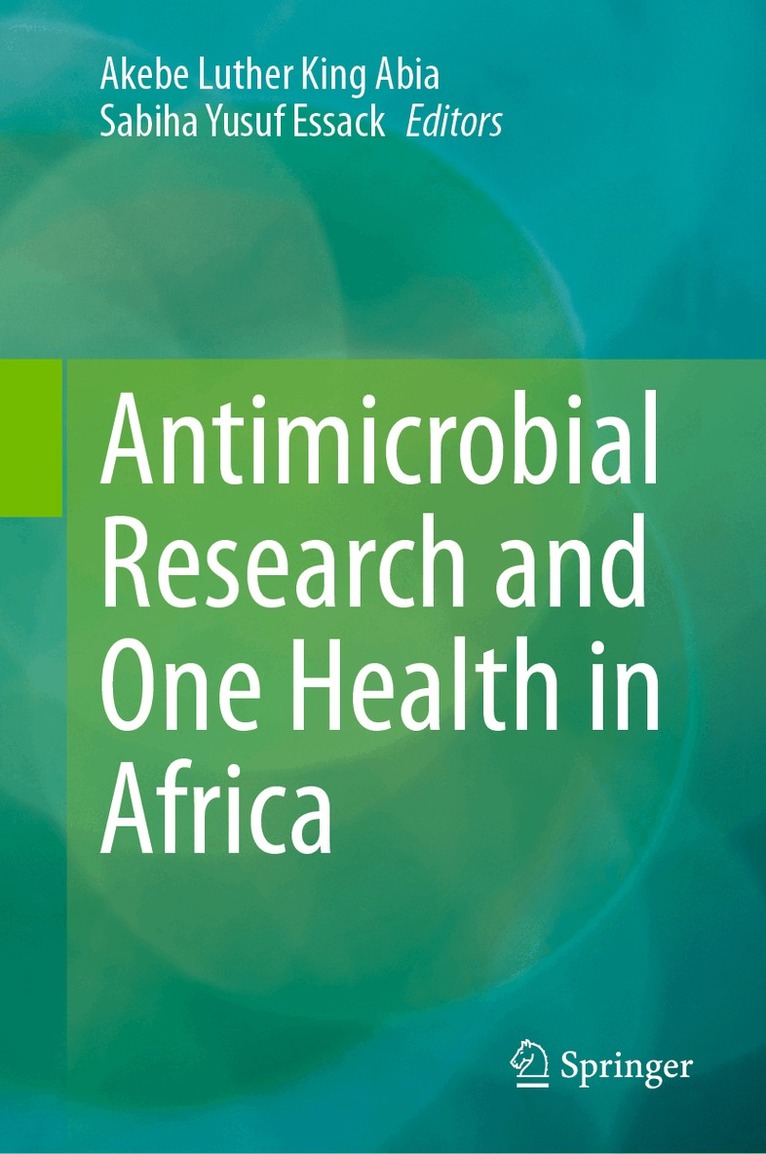
This 14-chapter unique masterpiece presents the AMR problem in African, addressing the various compartments of the One Health – humans, animals, and the environment, to illustrate the need for concerted efforts in the fight against AMR, especially in Africa.
653 kr
Skickas inom 5-8 vardagar
2 402 kr
Skickas inom 10-15 vardagar
This 14-chapter unique masterpiece presents the AMR problem in African, addressing the various compartments of the One Health – humans, animals, and the environment, to illustrate the need for concerted efforts in the fight against AMR, especially in Africa.
1 640 kr
Skickas inom 10-15 vardagar
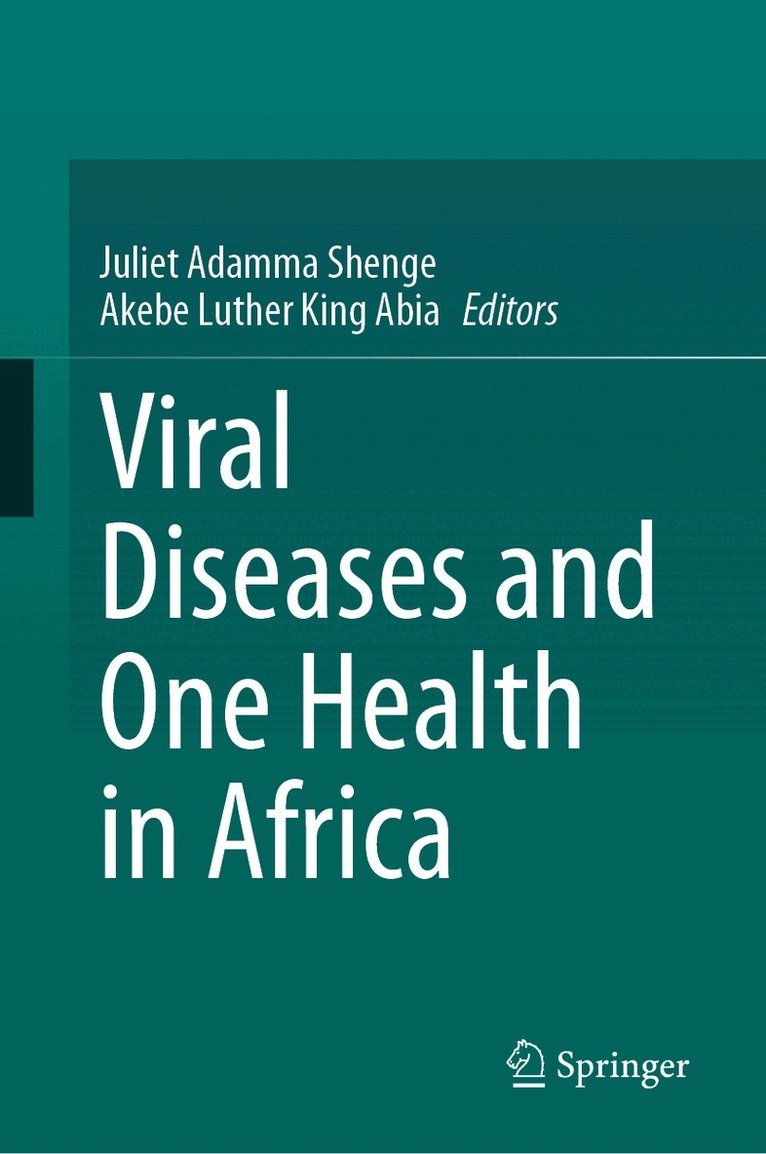
Viral diseases continue to be a public health threat to humans. Humanity has been affected over the years by several pandemics associated with viruses, the most recent being COVID-19, caused by Severe Acute Respiratory Syndrome Coronavirus 2 (SARS-CoV-2). While these pandemics affect humanity globally, low- and middle-income countries are usually the most affected, especially those in Africa.The African continent, especially the sub-Saharan part, represents a unique and complex environmental, economic, health system, and socio-political landscape which has favored the emergence, re-emergence, survival, and spread of viral infections. Most of these countries are characterized by poor sanitation conditions, at times with a complete lack of sanitary facilities and access to potable water for personal and household hygiene. Furthermore, most health systems in these countries are weak, usually due to a lack of finances and political will to invest in them. Moreover, social and cultural practices that allow constant interaction between humans, animals, and their environment increase the chances of infection.The recent COVID-19 pandemic challenged health systems worldwide, even in developed countries, prompting the need to develop early warning systems to monitor present pandemics and prevent the emergence of new ones or the re-emergence of once-forgotten ones. Therefore, understanding the dynamics of viral disease emergence in the African continent is paramount to protecting the population from future epidemics and pandemics.This book features a collection of research on various emerging and re-emerging viral agents emanating from Africa, which may involve new variants of known viruses or completely new agents; their peculiarities including their biology, pathogenesis, and mechanisms of adaptation in the environment; the role of climate change in disease emergence; drivers of zoonoses and transmission of these viral diseases between human and animal hosts; existing infrastructure including detection and diagnostic tools, health systems, and mitigators of viral diseases; challenges of implementing early warning systems and surveillance for viral disease outbreaks in Africa; the impact of viral infections on the continent’s economy and the psychosocial impacts on its populations; and integrating the One Health approach to preventing disease outbreaks, spill-over, and pandemics with emphasis on sustainable participatory strategies to achieving overall human, animal, and environmental health. This book explores the human-animal-environment interface of viral diseases -- especially those with the potential to cause pandemics -- and their epidemiology & connection with the rapidly developing African continent. This book will spur discourse on improving research on the continent to inform science, One Health, and multi-dimensional approaches including sectoral and climate actions to combat viral diseases wherever and whenever they emerge.