Alan Bristow – författare
Visar alla böcker från författaren Alan Bristow. Handla med fri frakt och snabb leverans.
5 produkter
5 produkter
E-bok
PDF, Engelska, 2010156 kr
Läs direkt efter köp
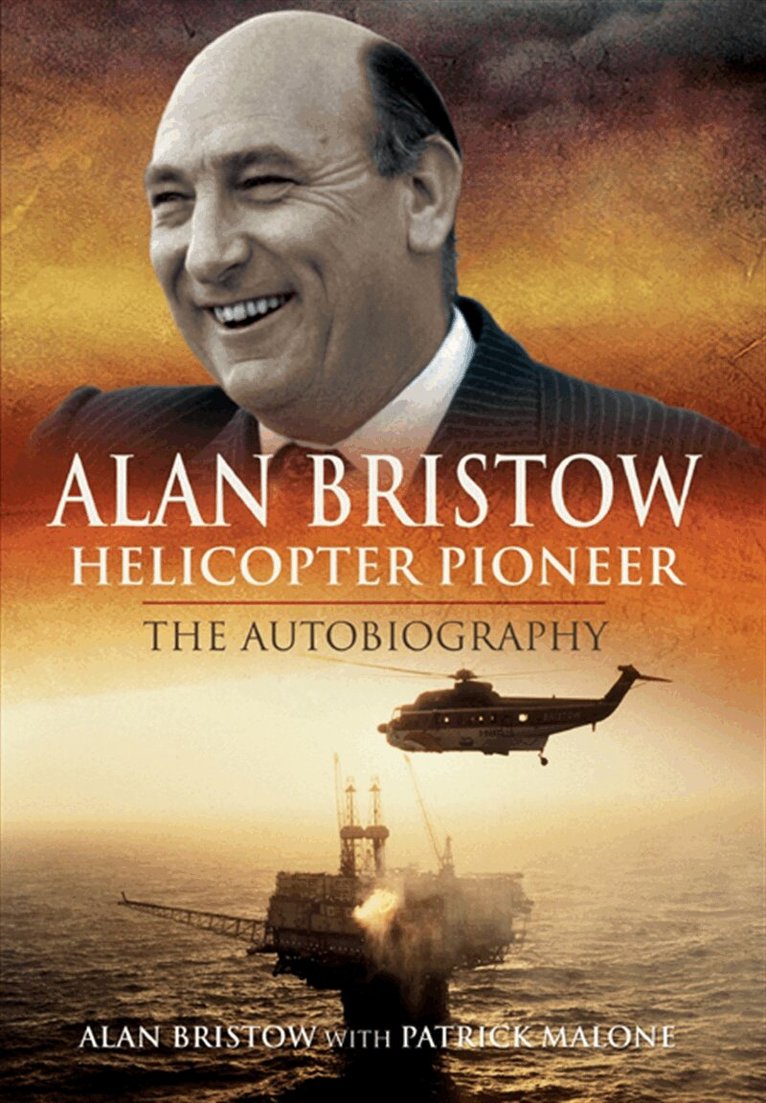
"e;You could be forgiven for taking Bristow's story as the invention of an action thriller writer . . . One of the best flying books you'll ever read."e; -Pilot MagazineAlan Bristow was a truly remarkable man. As a merchant navy officer cadet during the war, he survived two sinkings, played a part in the evacuation of Rangoon and was credited with shooting down two Stukas in North Africa. He joined the Fleet Air Arm and trained as one of the first British helicopter pilots, becoming the first man to land a helicopter on a battleship and Westland's first helicopter test pilot. He flew in France, Holland, Algeria, Senegal and elsewhere, narrowly escaping many helicopter crashes before winning the Croix de Guerre evacuating wounded French soldiers in Indochina. For four years he flew for Aristotle Onassis's pirate whaling fleet in Antarctica before joining Douglas Bader and providing support services to oil drillers in the Persian Gulf. Out of that grew Bristow Helicopters Ltd, the largest helicopter company in the world outside America. Bristow's circle included the great helicopter pioneers such as Igor Sikorsky and Stan Hiller, test pilots like Harold Penrose and Bill Waterton, Sheiks and Shahs and political leaders, business giants like Lord Cayzer and Freddie Laker, and the author James Clavell, a lifelong friend whose book Whirlwind was a fictionalized account of Bristow's overnight evacuation of his people and helicopters from revolutionary Iran. Bristow and precipitated the Westland Affair when he made a takeover bid which eventually led to the resignation of Michael Heseltine and Leon Brittain, and almost to the downfall of Margaret Thatcher. "e;Has all the ingredients of a bestselling novel."e; Firetrench
Inbunden, Engelska, 2018
1 872 kr
Skickas inom 5-8 vardagar
E-bok
Engelska, 2021128 kr
Läs direkt efter köp
Alan Bristow, founder of Bristow Helicopters, died on April 26, 2009, seven days after completing his autobiography. He was a truly remarkable man; his full-page obituary was published in The Times and The Daily Telegraph. As a merchant navy officer cadet during the war Bristow survived two sinkings, played a part in the evacuation of Rangoon and was credited with shooting down two Stukas in North Africa. He joined the Fleet Air Arm and trained as one of the first British helicopter pilots, he was the first man to land a helicopter on a battleship and became Westland’s first helicopter test pilot. Sacked for knocking out the sales manager, he flew in France, Holland, Algeria, Senegal and elsewhere, narrowly escaping many helicopter crashes before winning the Croix de Guerre evacuating wounded French soldiers in Indochina. For four years he flew for Aristotle Onassis’s pirate whaling fleet in Antarctica before joining Douglas Bader and providing support services to oil drillers in the Persian Gulf. Out of that grew Bristow Helicopters Ltd, the largest helicopter company in the world outside AmericaBristow’s circle included the great helicopter pioneers such as Igor Sikorsky and Stan Hiller, test pilots like Harold Penrose and Bill Waterton, Sheiks and Shahs and political leaders, business giants like Lord Cayzer and Freddie Laker – with whom he tossed a coin for £67,000 in 1969 – and the author James Clavell, a lifelong friend whose book 'Whirlwind' was a fictionalized account of Bristow’s overnight evacuation of his people and helicopters from revolutionary Iran. Bristow represented Great Britain at four in hand carriage driving with the Duke of Edinburgh and precipitated the ‘Westland Affair’ when he made a takeover bid which eventually led to the resignation of Michael Heseltine and Leon Brittain, and almost to the downfall of Margaret Thatcher.
Inbunden, Engelska, 2026
483 kr
Skickas inom 10-15 vardagar
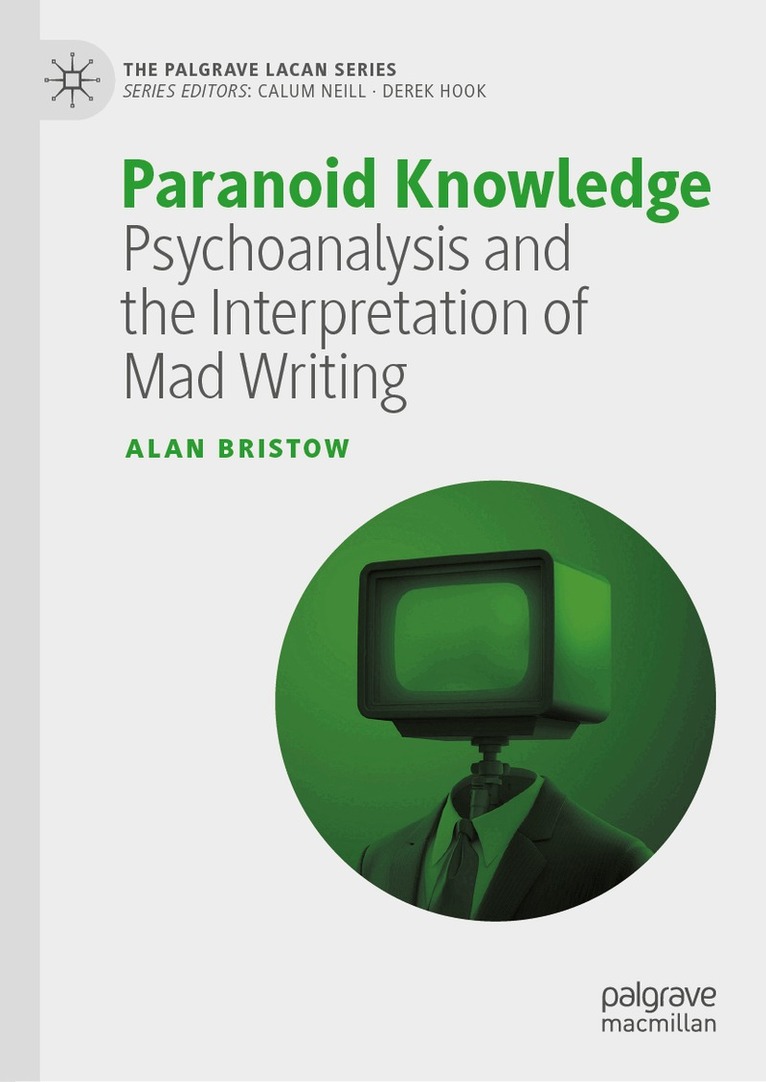
This book inserts Lacanian theory into contemporary debates within the emerging interdisciplinary field of ‘Mad Studies’ via an analysis of psychotic writing. The author questions what psychoanalysis can offer a progressive, emancipatory means for engaging madness. Taking the Memoirs of Daniel Paul Schreber and the Exegesis of Philip K. Dick as the primary sites of investigation, the book examines how the written representations of paranoid psychosis have historically been exploited to further clinical insights and forms of social critique. Paranoid Knowledge reveals how Lacan’s theorisations of the sinthome, the universal condition of psychosis and the overdetermined nature of any interpretation provide theoretical alliance to Mad Studies and critical mental health endeavours. By focusing on the taut interrelation between knowledge production, diagnostic structure and technological development, Bristow demonstrates how an individual’s madness can harness, reformulate or channel broader socio-cultural themes. As such, the author contends that psychosis can be shown to have value beyond mere pathology and may offer us a privileged position to grasp psychosocial processes. This book will offer fresh insights for students and scholars of psychoanalysis, critical psychiatry, literary theory, philosophy, and cultural studies.
E-bok
Engelska, 2026586 kr
Läs direkt efter köp
This book inserts Lacanian theory into contemporary debates within the emerging interdisciplinary field of ‘Mad Studies’ via an analysis of psychotic writing. The author questions what psychoanalysis can offer a progressive, emancipatory means for engaging madness. Taking the Memoirs of Daniel Paul Schreber and the Exegesis of Philip K. Dick as the primary sites of investigation, the book examines how the written representations of paranoid psychosis have historically been exploited to further clinical insights and forms of social critique. Paranoid Knowledge reveals how Lacan’s theorisations of the sinthome, the universal condition of psychosis and the overdetermined nature of any interpretation provide theoretical alliance to Mad Studies and critical mental health endeavours. By focusing on the taut interrelation between knowledge production, diagnostic structure and technological development, Bristow demonstrates how an individual’s madness can harness, reformulate or channel broader socio-cultural themes. As such, the author contends that psychosis can be shown to have value beyond mere pathology and may offer us a privileged position to grasp psychosocial processes. This book will offer fresh insights for students and scholars of psychoanalysis, critical psychiatry, literary theory, philosophy, and cultural studies.