Alan Kamhi – författare
Visar alla böcker från författaren Alan Kamhi. Handla med fri frakt och snabb leverans.
4 produkter
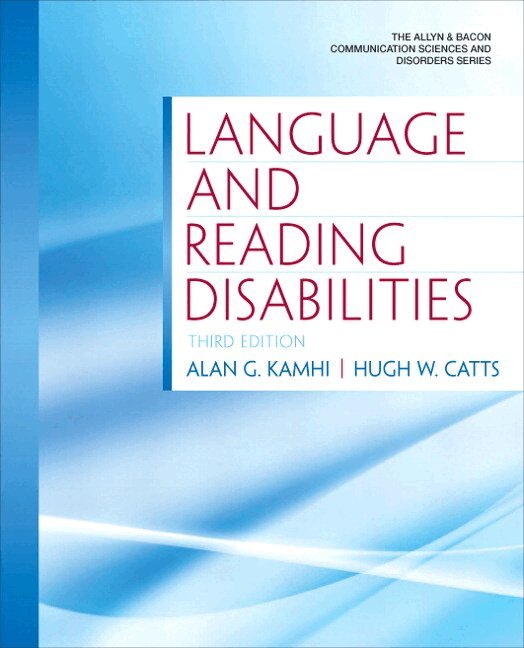
Language and Reading Disabilities
Av Alan Kamhi, Hugh Catts
Häftad, 2011
4,5 utav 5 stjärnor. Totalt antal röster: (4)
2609 kr
Lägg i varukorg
Written by leading experts, the third edition of “Language and Reading Disabilities”, maintains its strong clinical focus and thorough coverage of the identification, assessment, and treatment of reading and writing disorders. This text explores the differences between spoken and written language, …
Language and Reading Disabilities
Pearson New International Edition
Av Alan Kamhi, Hugh Catts
Häftad, 2013
961 kr
Lägg i varukorg
For courses in speech and language intervention, language disorders, reading disorders and special education. Written by leading experts, this third edition maintains a strong clinical focus and thorough coverage of the identification, assessment, and treatment of reading and writing disorders. …
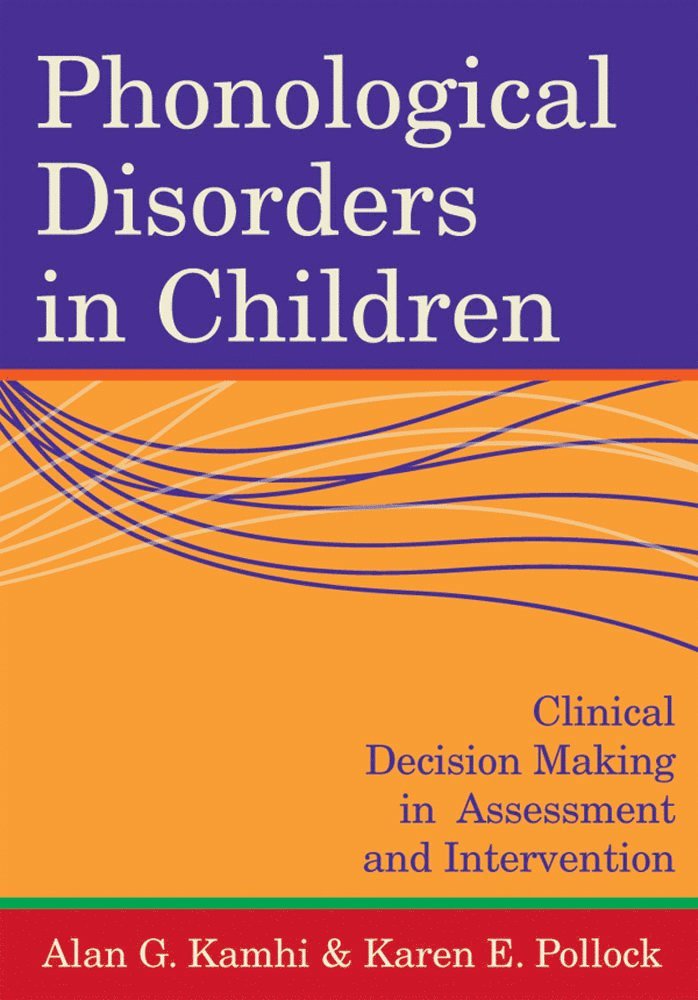
Phonological Disorders in Children
Clinical Decision Making in Assessment and Intervention
Av Alan G. Kamhi, Karen E. Pollock m. fl.
Häftad, 2005
510 kr
Lägg i varukorg
This book addresses practical issues and concerns faced by clinicians in the field and graduate students in speech language pathology. The book is divided into three sections: assessment and classification; goal and target selection; and intervention. In each section, the editors pose several …
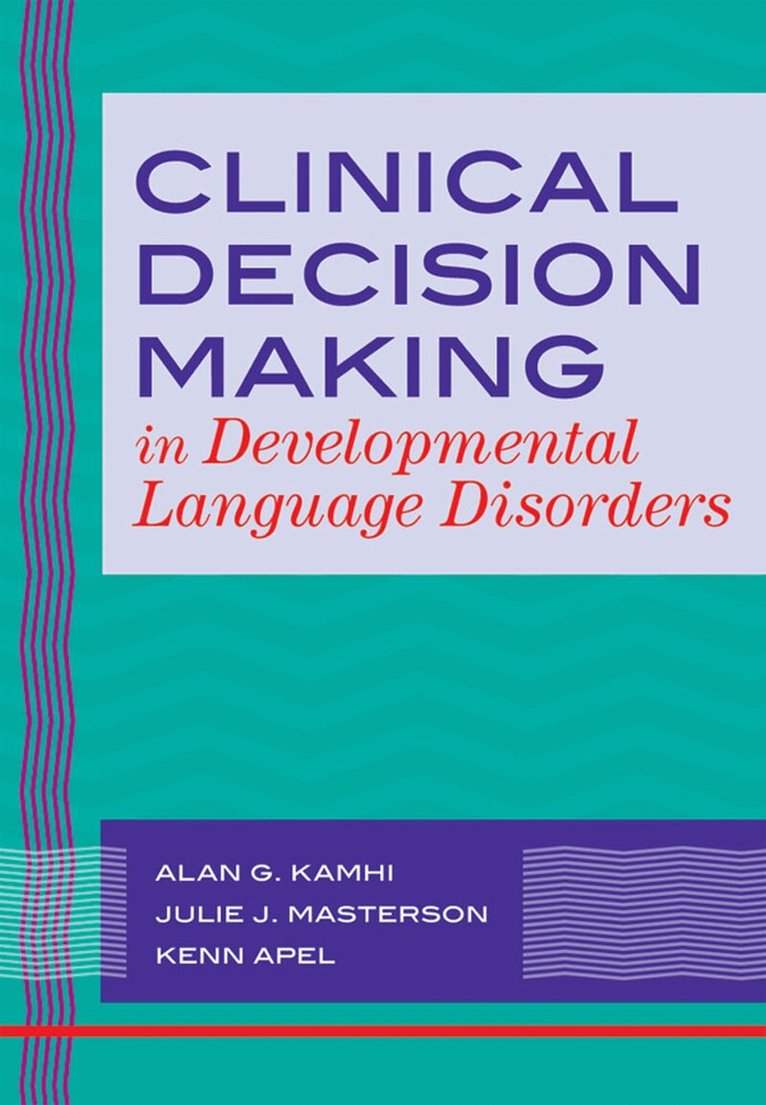
Clinical Decision Making in Developmental Language Disorders
Av Alan G. Kamhi, Julie J. Masterson m. fl.
Häftad, 2007
553 kr
Tillfälligt slut
This book addresses assessment and intervention for children and adolescents with developmental language disorders. The first section discusses assessment and target selection for children across a broad span of ages (birth to 3 through postsecondary education) and also addresses the topics of …