Alan Rushworth – författare
Visar alla böcker från författaren Alan Rushworth. Handla med fri frakt och snabb leverans.
3 produkter
3 produkter
Häftad, Engelska, 2010
189 kr
Skickas
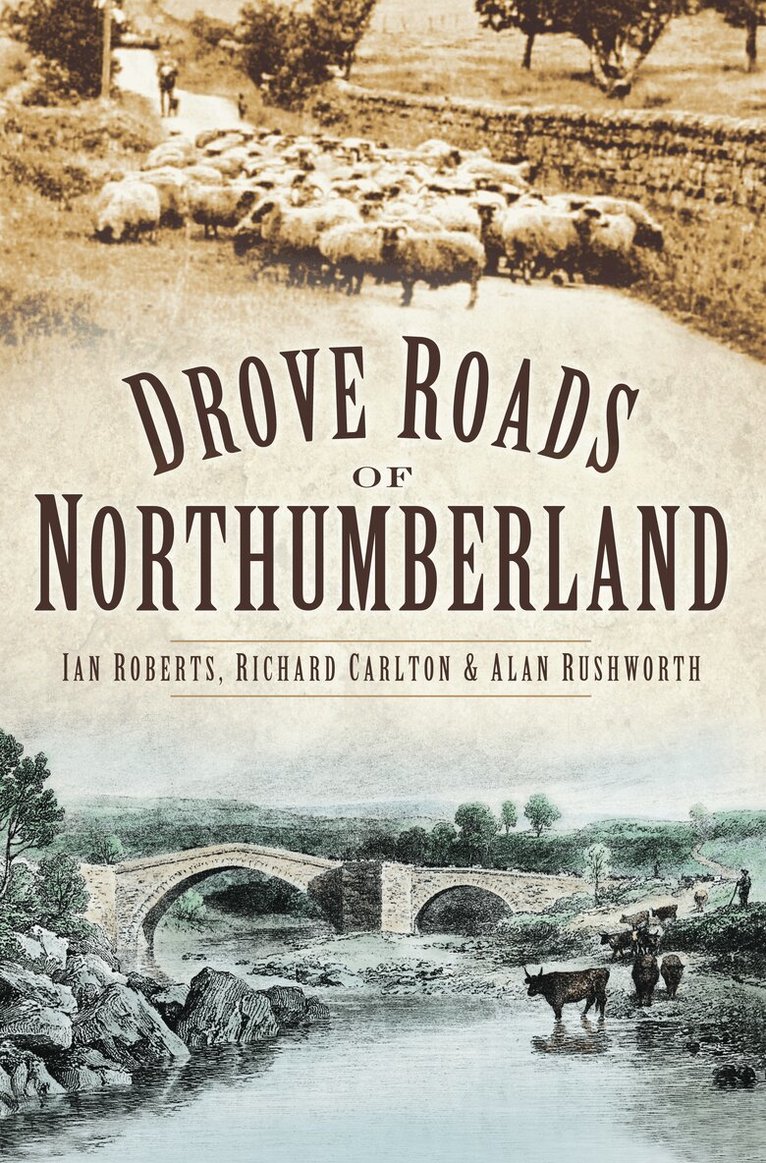
Droving has been hugely important in shaping farming practice across Northumberland for 1,000 years or more. The necessity of transporting sheep and cattle has changed the landscape, and developed the roads and buildings and at one time, animals would be herded from as far a field as Scotland and Ireland. Today the scene is very different but the legacy of the drovers can still be seen and enjoyed all over the region.Local archaeologists Ian Roberts, Alan Rushworth and Richard Carlton have been determined to preserve this history on behalf of the Northumberland National Park Authority. Following the development of droving in Northumberland from prehistoric times, through Middle Ages, the eighteenth century and right up to date, they offer the definitive history of this significant activity.
E-bok
Engelska, 2021122 kr
Läs direkt efter köp
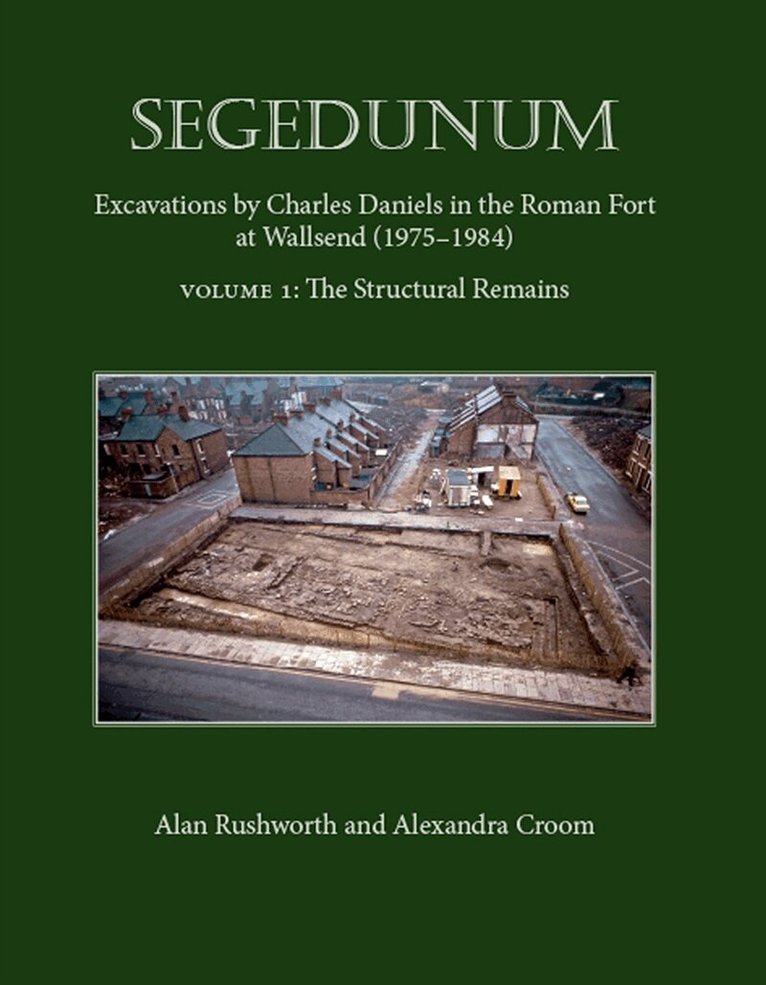
Between 1975 and 1984 almost the entire area of the Roman fort of Segedunum in Wallsend was excavated under the direction of Charles Daniels, senior lecturer in the Department of Archaeology at Newcastle University. It is these excavations which form the subject of this publication. This comprehensive report on the structural remains (Vol. 1) and finds (Vol. 2) show clearly that Daniels’ work represented one of the most ambitious and prolonged programs of fieldwork attempted on the northern frontier up to that point and has made Wallsend one of the most fully investigated of Roman forts in Britain. In most areas the remains were not excavated down to natural and so the remains revealed were predominantly those of the 2nd and 3rd centuries, with some late Roman features. Volume 1 describes first the stratigraphic sequences and excavation of the stone and timber buildings of the fort’s central range: the granary, hospital, headquarters (principia), commanding officer’s house (praetorium), the forehall fronting the principia and granary, and a long narrow building, perhaps a workshop, on the north side of the eastern via principalis. In the case of all but the praetorium these buildings were fully exposed. Later chapters cover the buildings in the northern third of the fort, revealed to be a group of six infantry barracks which underwent several phases of rebuilding and refurbishment including partial replacement by a stable block. Parts 4 and 5 examine the cavalry barracks in the southern part of the fort (retentura) and excavations of sections of the fort defenses on all four sides, particularly of discrete structures such as towers and gates.Volume 2, on the predominantly 2nd–3rd century material culture from the site, looks at the stonework, pottery, coins and small finds recovered. The stonework and ceramic building material provides information on the appearance of the fort and include a very rare stone latrine seat and a bench support. The pottery comprises samian, mortaria, including a large collection stamped by Anaus, amphorae and coarse wares. Other classes of artifact occur in comparatively small numbers, including colorless glass tablewares of the second and third centuries, 295 coins and c. 1000 small finds including some post-Roman pieces. Finally there is a detailed assessment of animal bone assemblages from a cistern and the Commanding Officer’s house.EPUB3: Reflowable
Häftad, Engelska, 2013
302 kr
Tillfälligt slut
The Roman military remains in North Africa are remarkable in their variety and preservation. They include towers and forts, stretches of defensive lines of stone and earth with ditches broken by gates, and roads, sitting amidst amazing scenery. Readers of this book will enjoy learning more about North Africa’s remarkable Roman inheritance.