Aleksandr Solzhenitsyn – författare
Visar alla böcker från författaren Aleksandr Solzhenitsyn. Handla med fri frakt och snabb leverans.
63 produkter
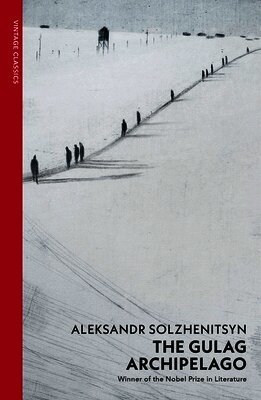
Gulag Archipelago
(Abridged edition)
Häftad, 2018
4,8 utav 5 stjärnor. Totalt antal röster: (4)
159 kr
Lägg i varukorg
Solzhenitsyn spent eleven years in labour camps and in exile.This book is his masterwork, based on his own experiences as well as the testimony of some 200 survivors. A vast canvas of camps, prisons, transit centres and secret police, of informers and spies and interrogators but also of everyday …
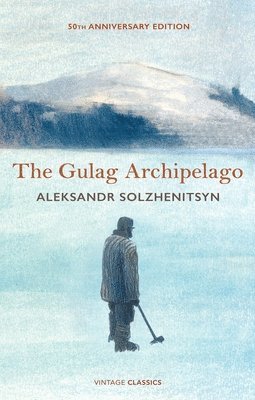
Gulag Archipelago
50th Anniversary Abridged Edition
Inbunden, 2023
266 kr
Lägg i varukorg
'[The Gulag Archipelago] helped to bring down an empire. Its importance can hardly be exaggerated' Doris Lessing, Sunday TelegraphWITH A NEW INTRODUCTION BY NATALIA SOLZHENITSYNA vast canvas of camps, prisons, transit centres and secret police, of informers and spies and interrogators but also of …
One Day in the Life of Ivan Denisovich
Häftad, 1996
136 kr
Lägg i varukorg
FROM THE PUBLISHER OF THE GULAG ARCHIPELAGO - THE OFFICIALLY APPROVED TRANSLATION OF SOLZHENITSYN'S SEARING DEBUT NOVELThe Gulag, the Stalinist labour camps to which millions of Russians were condemned for political deviation, has become a household word in the West. This is due to the accounts of …
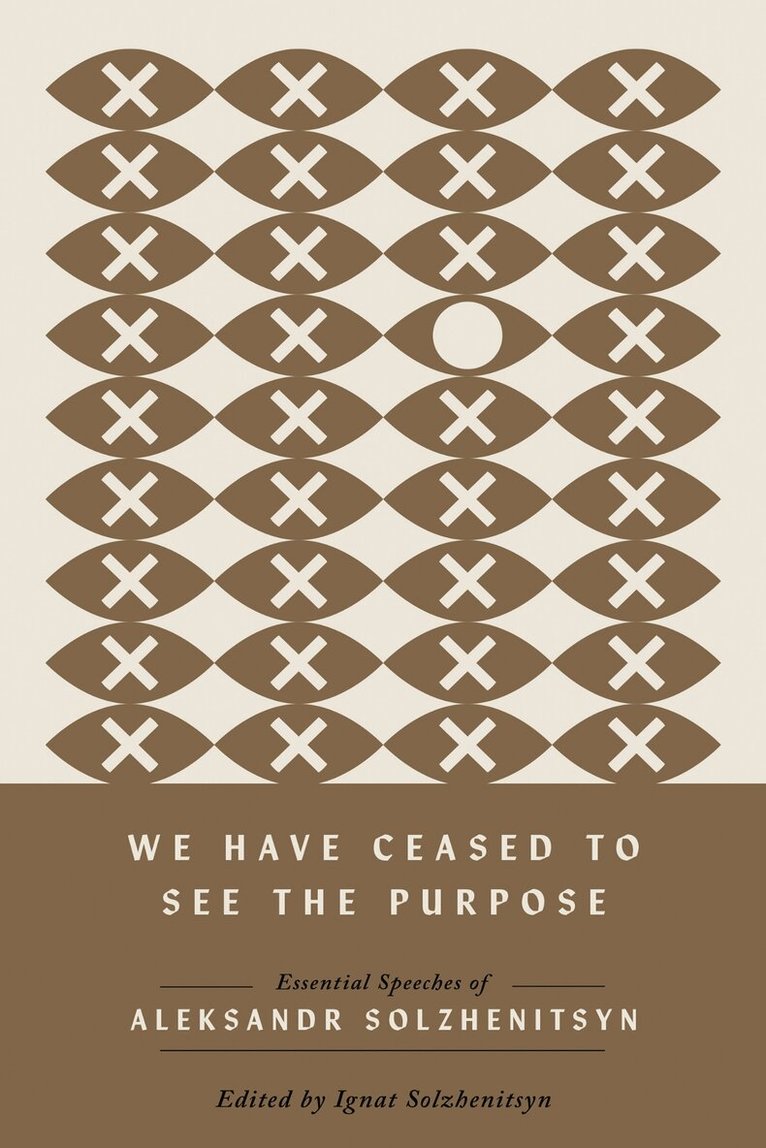
We Have Ceased to See the Purpose
Essential Speeches of Aleksandr Solzhenitsyn
Av Aleksandr Solzhenitsyn, Ignat Solzhenitsyn
Inbunden, 2025
379 kr
Lägg i varukorg
This collection brings together ten of Nobel Prize–winner Aleksandr Solzhenitsyn's most memorable and consequential speeches, delivered in the West and in Russia between 1972 and 1997.Following his exile from the USSR in 1974, Aleksandr Solzhenitsyn lived and traveled in the West for twenty years …
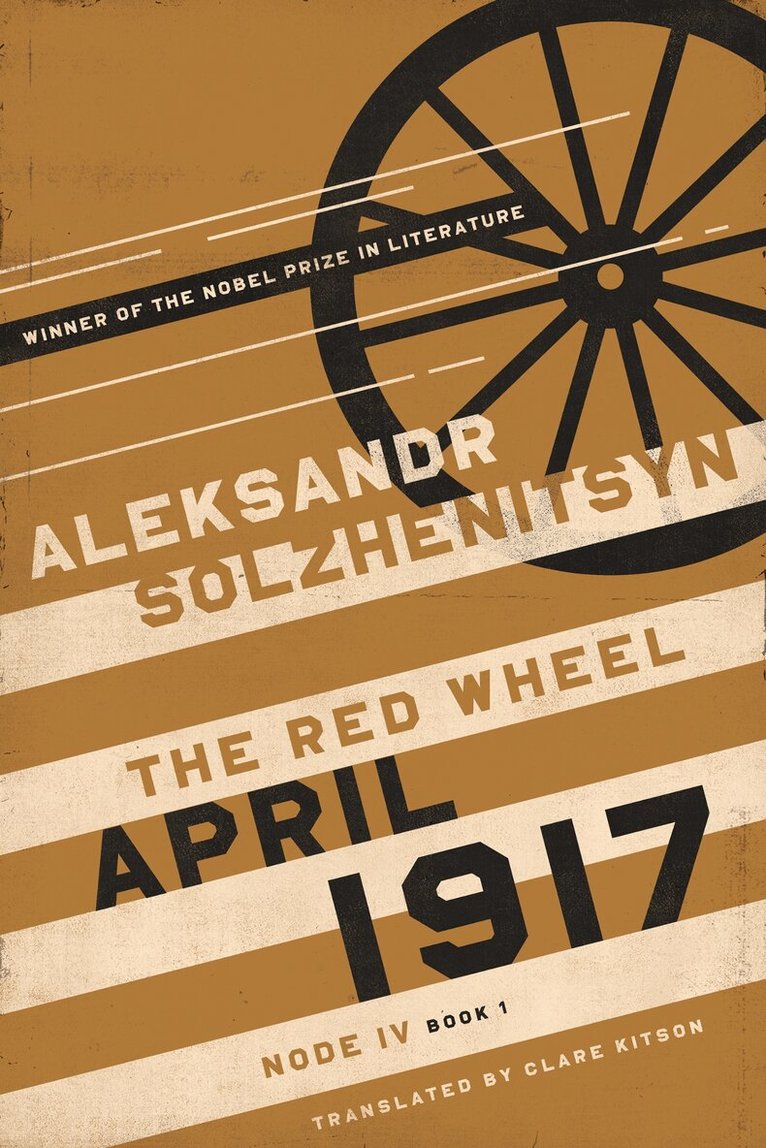
April 1917
The Red Wheel, Node IV, Book 1
Inbunden, 2025
491 kr
Lägg i varukorg
April 1917, Book 1 , captures the division and helplessness of Russia's first Revolutionary rulers, paving the way for the victory of the ruthless Bolsheviks later that year. One of the masterpieces of world literature, The Red Wheel is Nobel prize–winner Aleksandr Solzhenitsyn's multivolume epic …
One Day in the Life of Ivan Denisovich
(50th Anniversary Edition)
Häftad, 2008
3,0 utav 5 stjärnor. Totalt antal röster: (1)
90 kr
Lägg i varukorg
The first published novel from the controversial Nobel Prize winning Russian author of The Gulag Archipelago . In the madness of World War II, a dutiful Russian soldier is wrongfully convicted of treason and sentenced to ten years in a Siberian labor camp. So begins this masterpiece of modern …
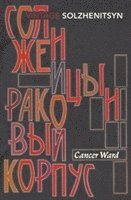
Cancer Ward
Häftad, 2003
179 kr
Lägg i varukorg
Oleg Kostoglotov arrives at Ward 13 after years of exile, carrying the scars of imprisonment and the fear of what his cancer diagnosis will mean.Taking place in the Soviet Union in 1956 during the Khrushchev Thaw, Cancer Ward gathers patients from across society in a provincial hospital. Former …
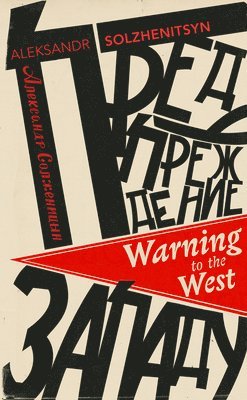
Warning to the West
Häftad, 2019
5,0 utav 5 stjärnor. Totalt antal röster: (1)
107 kr
Lägg i varukorg
‘Can one part of humanity learn from the bitter experience of another or can it not? Is it possible or impossible to warn someone of danger...to assess soberly the worldwide menace that threatens to swallow the whole world?I was swallowed myself. I have been in the dragon’s belly, in its red-hot …
August 1914: A Novel
The Red Wheel I
Häftad, 2014
434 kr
Lägg i varukorg
The Russian Nobelist's major work, back in print for the centenary of World War I and the Russian Revolution In his monumental narrative of the outbreak of the First World War and the ill-fated Russian offensive into East Prussia, Aleksandr Solzhenitsyn has written "a dramatically new …
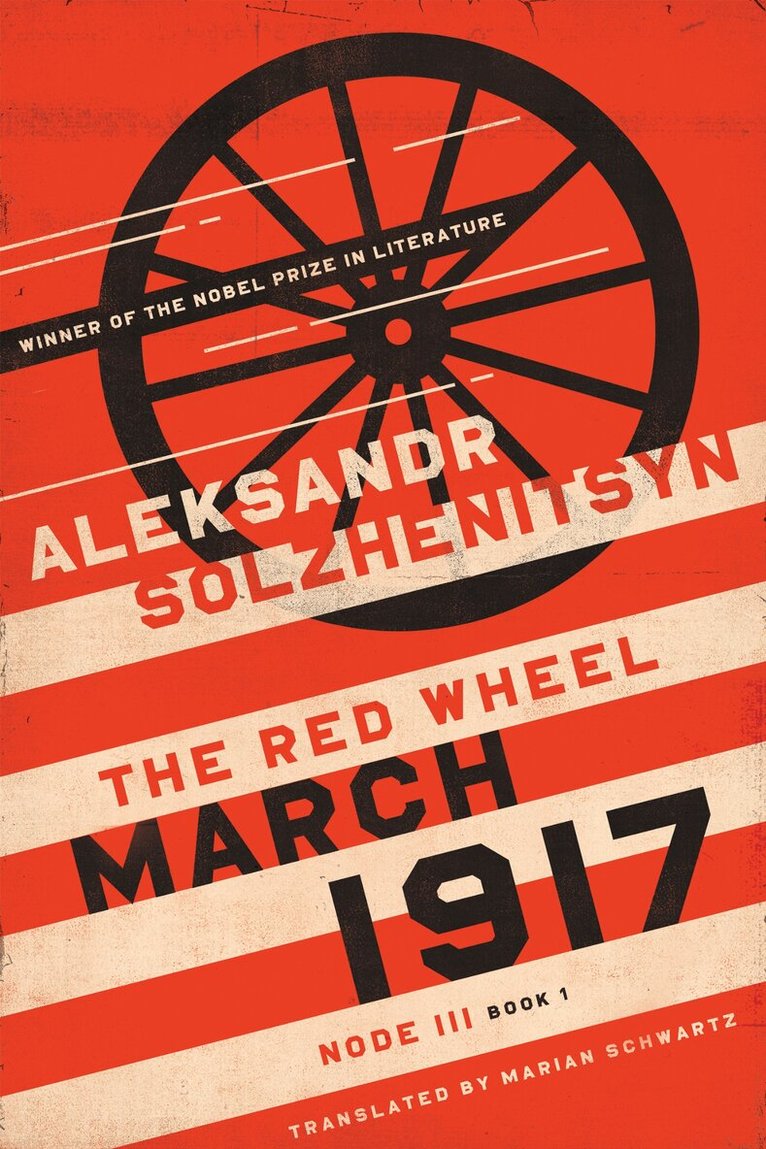
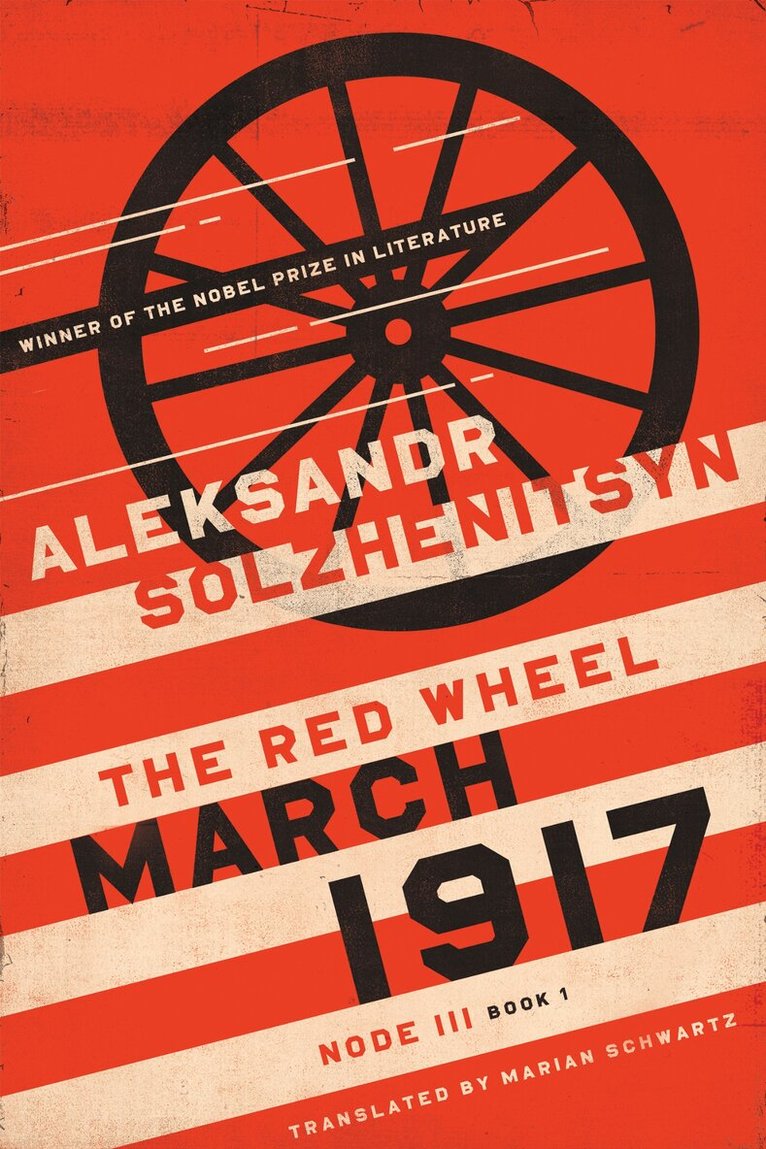
March 1917
The Red Wheel, Node III, Book 1
Inbunden, 2017
491 kr
Lägg i varukorg
To commemorate the 100th anniversary of the Russian Revolution, the University of Notre Dame Press is proud to publish Nobel Prize–winner Aleksandr Solzhenitsyn's epic work March 1917 , Node III, Book 1, of The Red Wheel . The Red Wheel is Solzhenitsyn's magnum opus about the Russian Revolution. …
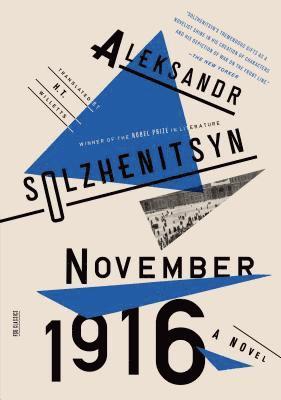
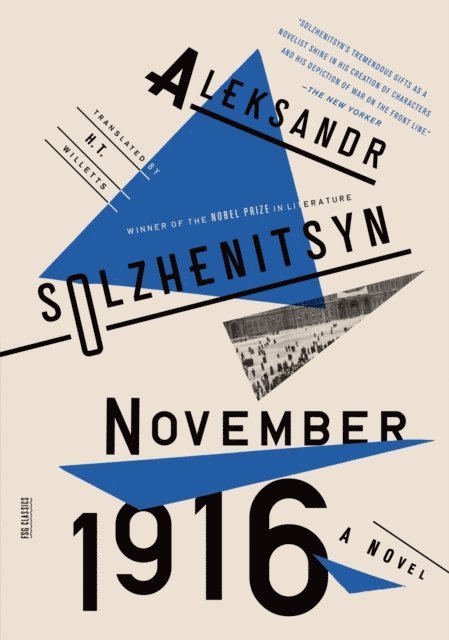
November 1916
The Red Wheel II
Häftad, 2014
553 kr
Lägg i varukorg
In time for the centenary of the beginning of the Russian Revolution, a new edition of the Russian Nobelist's major work The month of November 1916 in Russia was outwardly quietthe proverbial calm before the stormbut beneath the placid surface, society seethed fiercely. In Petrograd, as St. …
November 1916: A Novel
The Red Wheel II
E-bok, 2014
480 kr
Lägg i varukorg
The month of November 1916 in Russia was outwardly unmarked by seismic events, but beneath the surface, society seethed fiercely. In Petrograd, luxury-store windows are still brightly lit; the Duma debates the monarchy, the course of war, and clashing paths to reform; the workers in the miserable …
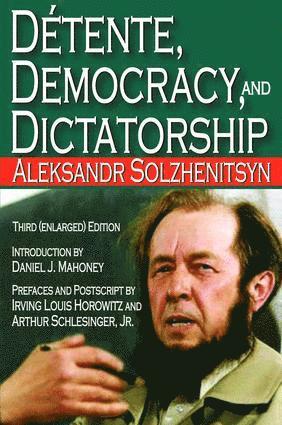
Detente, Democracy and Dictatorship
Inbunden, 2017
2504 kr
Lägg i varukorg
The subject of Detente, Democracy and Dictatorship has been with us since the breakdown of the Cold War and the termination of the Soviet system, indeed, if not since the origins of Bolshevism. No more vigorous critic of the uneasy co-existence of democracy and dictatorship exists than the greatest …
Gulag Archipelago
An Experiment in Literary Investigation (Volume One)
Häftad, 2026
245 kr
Lägg i varukorg
One Day in the Life of Ivan Denisovich
Inbunden, 1995
5,0 utav 5 stjärnor. Totalt antal röster: (1)
184 kr
Lägg i varukorg
Foreshadowing his later detailed accounts of the Soviet prison-camp system, Solzhenitsyn's classic portrayal of life in the gulag is all the more powerful for being slighter and more personal than those later monumental volumes. Continuing the tradition of the great nineteenth-century Russian …
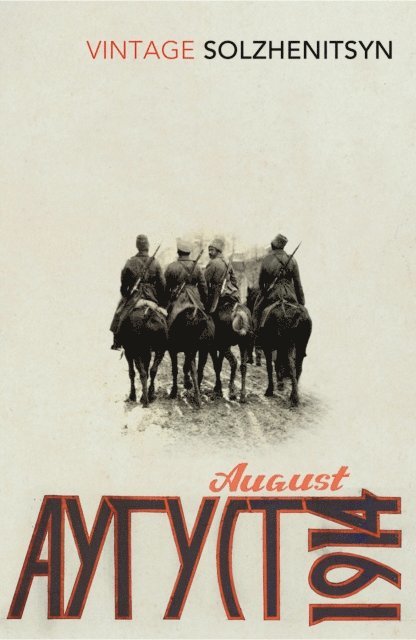
August 1914
Häftad, 2014
232 kr
Lägg i varukorg
‘One word of truth shall outweigh the whole world’ Aleksandr SolzhenitsynIn the first month of the First World War the Russian campaign against the Germans creaks into gear. Crippled by weak, indecisive leadership the Russian troops battle desperately, even as the inevitability of failure and their …
Love the Revolution
The Unpublished First Novel
Häftad, 2026
148 kr
Kommande
A major literary event: available for the first time in an English language edition, an early autobiographical novel from the Nobel Prize-winning author of The Gulag Archipelago, which chronicles his service and Soviet Russia's ordeals during World War II. Composed primarily in 1948 while he was …
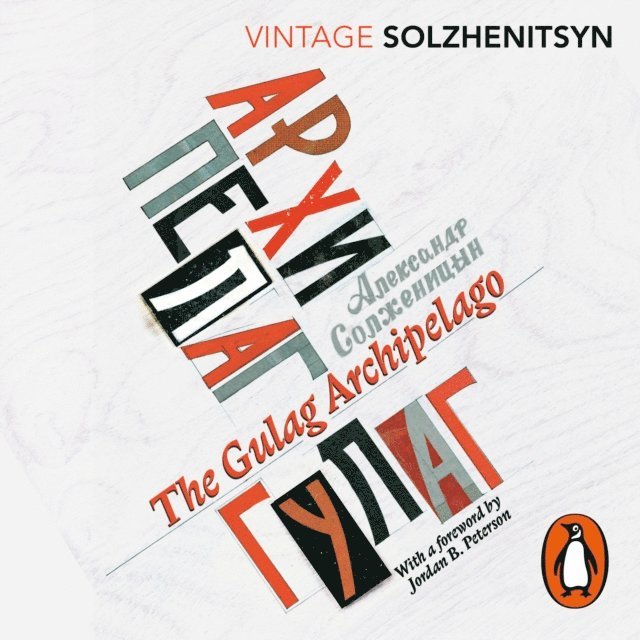
Gulag Archipelago
Ljudbok, 2019
190 kr
Lägg i varukorg
Brought to you by Penguin. The audiobook edition of The Gulag Archipelago by Aleksandr Solzhenitsyn, read by the author''s son, Ignat Solzhenitsyn. With a new foreword written and read by Jordan B. Peterson, and an exclusive Q&A between Jordan B. Peterson and Ignat Solzhenitsyn. The officially …
August 1914
E-bok, 2014
147 kr
Lägg i varukorg
‘One word of truth shall outweigh the whole world’ Aleksandr SolzhenitsynIn the first month of the First World War the Russian campaign against the Germans creaks into gear. Crippled by weak, indecisive leadership the Russian troops battle desperately, even as the inevitability of failure and their …
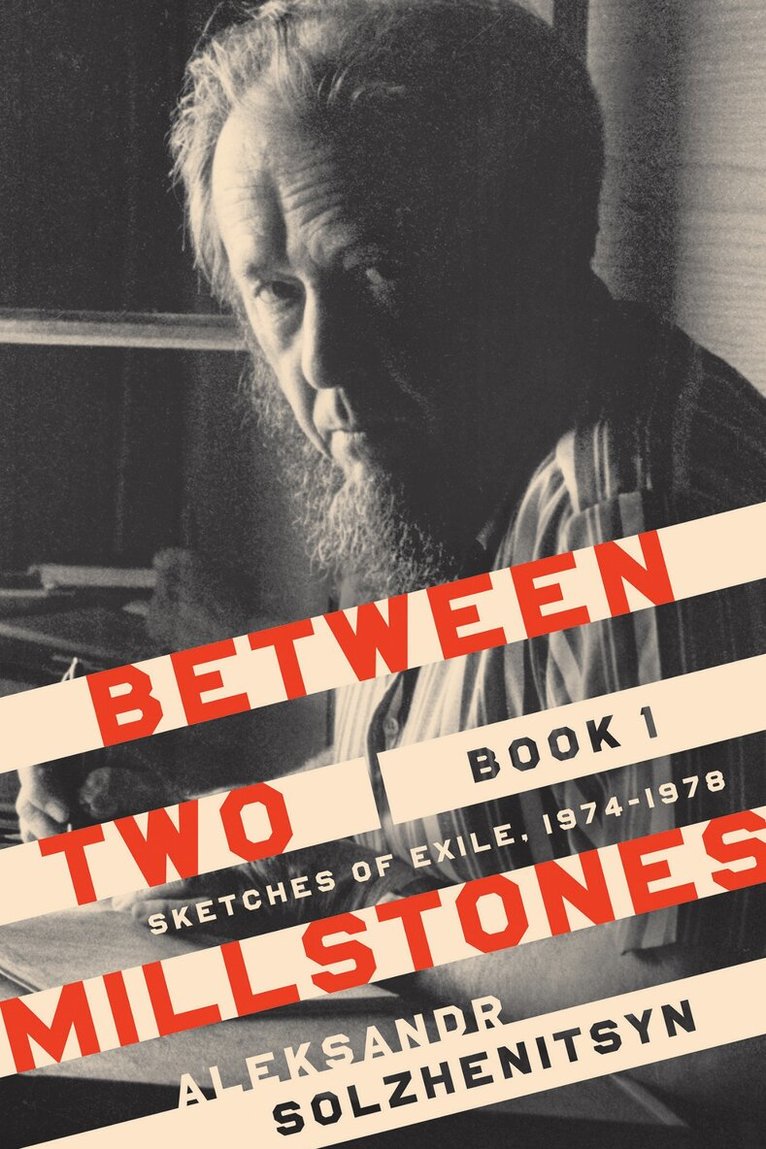
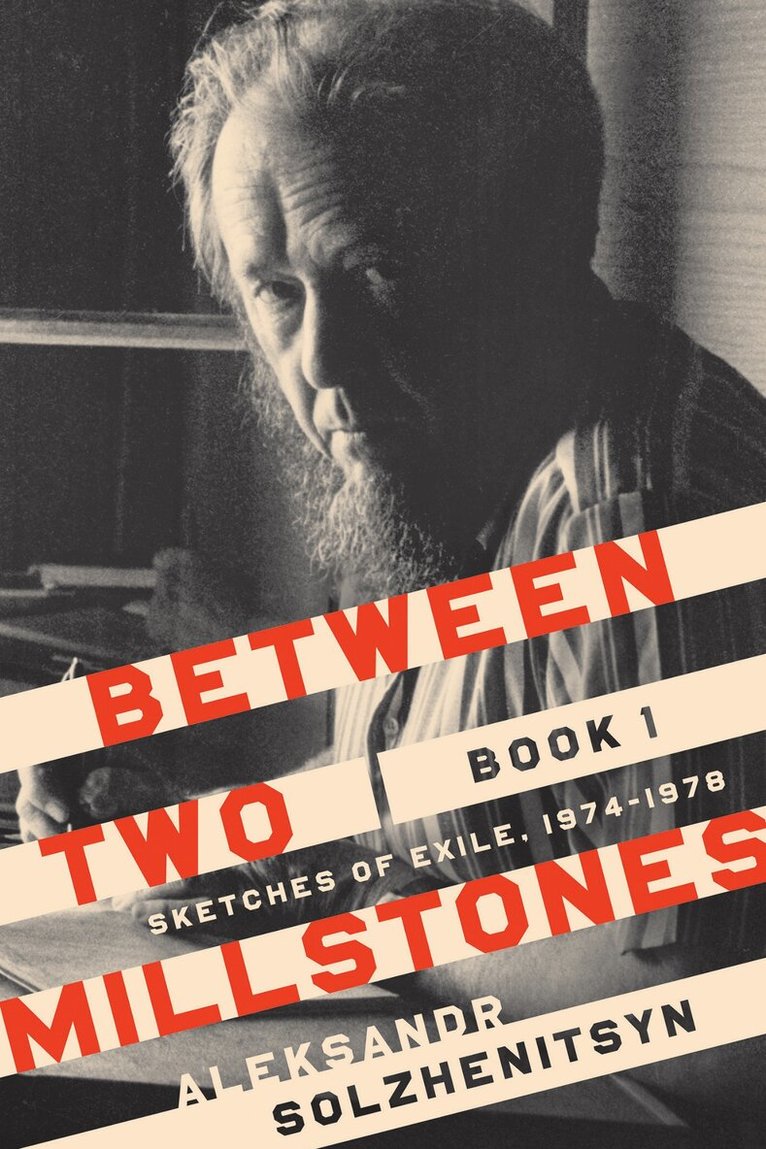
Between Two Millstones, Book 1
Sketches of Exile, 1974–1978
Inbunden, 2018
416 kr
Lägg i varukorg
Russian Nobel prize-winner Aleksandr Solzhenitsyn (1918-2008) is widely acknowledged as one of the most important figures of the last century. To celebrate the centenary of his birth, the first English translation of his memoir of the West, Between Two Millstones, Book 1, is being published.
March 1917
The Red Wheel, Node III, Book 1
Häftad, 2020
389 kr
Lägg i varukorg
To commemorate the 100th anniversary of the Russian Revolution, the University of Notre Dame Press is proud to publish Nobel Prize–winner Aleksandr Solzhenitsyn's epic work March 1917, Node III, Book 1, of The Red Wheel.The Red Wheel is Solzhenitsyn's magnum opus about the Russian Revolution. …
Between Two Millstones, Book 1
Sketches of Exile, 1974–1978
Häftad, 2021
331 kr
Lägg i varukorg
Russian Nobel prize–winner Aleksandr Solzhenitsyn (1918–2008) is widely acknowledged as one of the most important figures—and perhaps the most important writer—of the last century. To celebrate the centenary of his birth, the first English translation of his memoir of the West, Between Two …
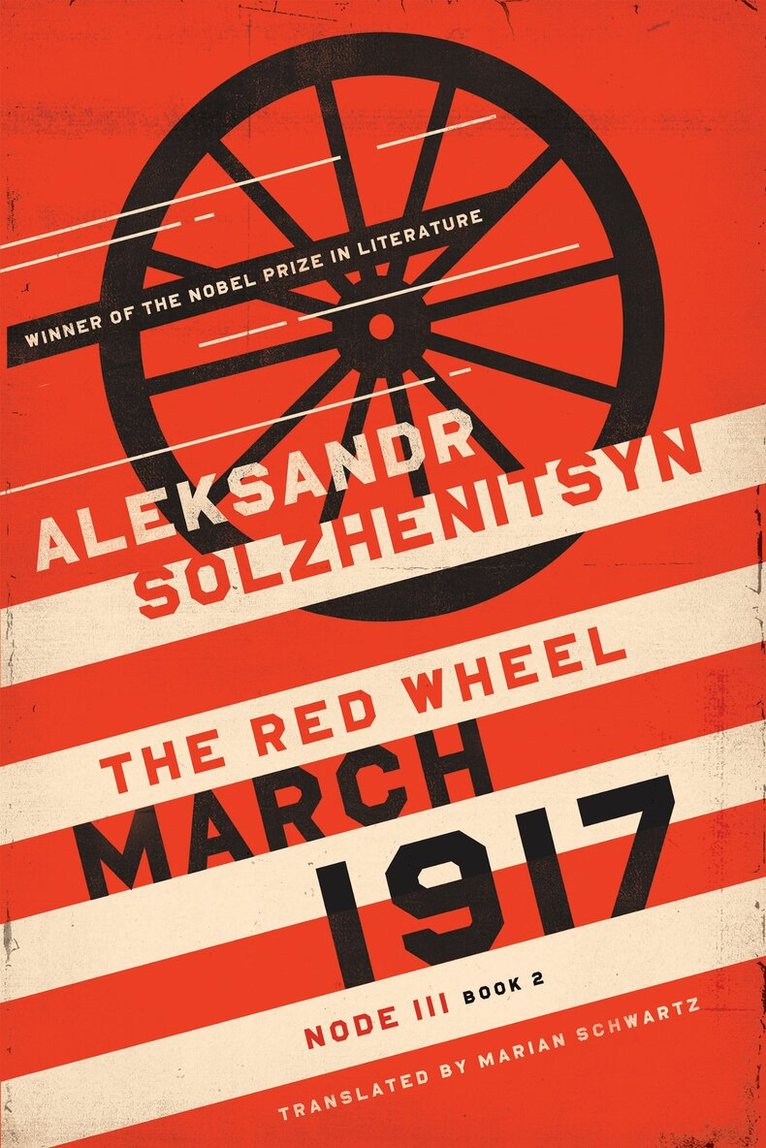
March 1917
The Red Wheel, Node III, Book 2
Inbunden, 2019
491 kr
Lägg i varukorg
The Red Wheel is Nobel Prize-winner Aleksandr Solzhenitsyn's multivolume epic work about the Russian Revolution. He spent decades writing about just four of the most important periods, or “nodes"". This is the first time that the monumental March 1917–the third node–has been translated into English.
March 1917
The Red Wheel, Node III, Book 2
Häftad, 2022
358 kr
Lägg i varukorg
Aleksandr Solzhenitsyn's March 1917, Book 2 , covers three days of the February Revolution when the nation unraveled, leading to the Bolshevik takeover eight months later. The Red Wheel is Nobel Prize–winner Aleksandr Solzhenitsyn's multivolume epic work about the Russian Revolution. He spent …
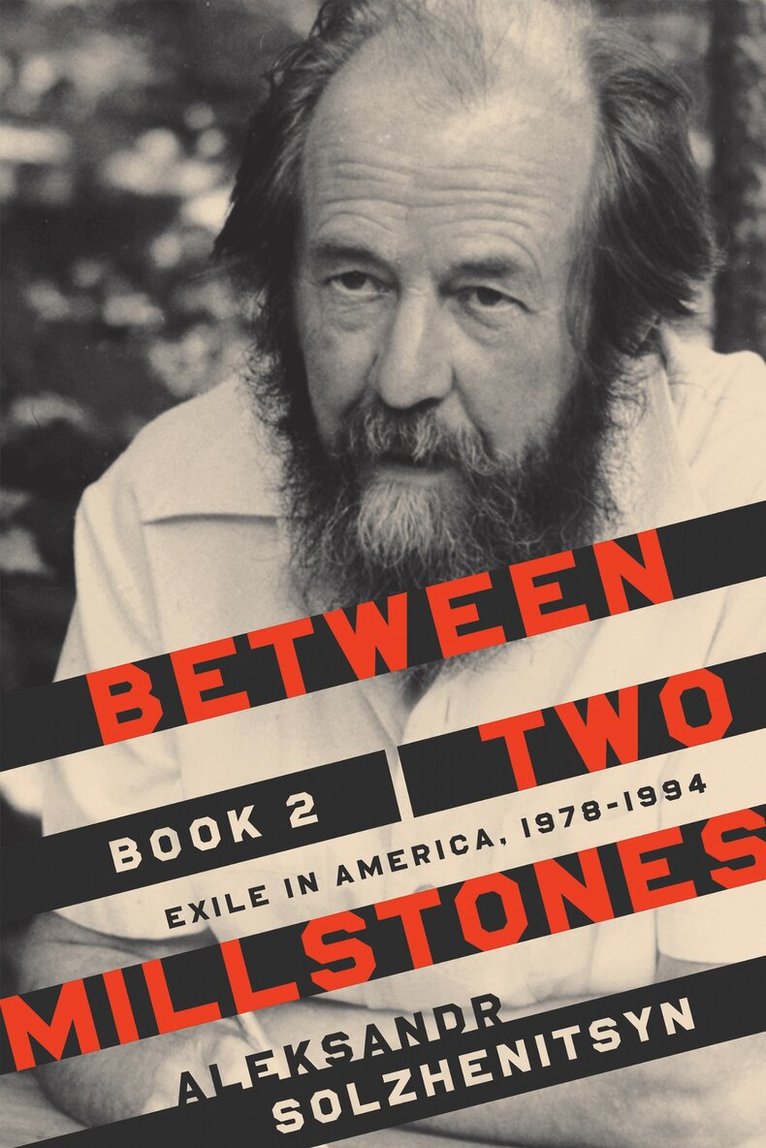
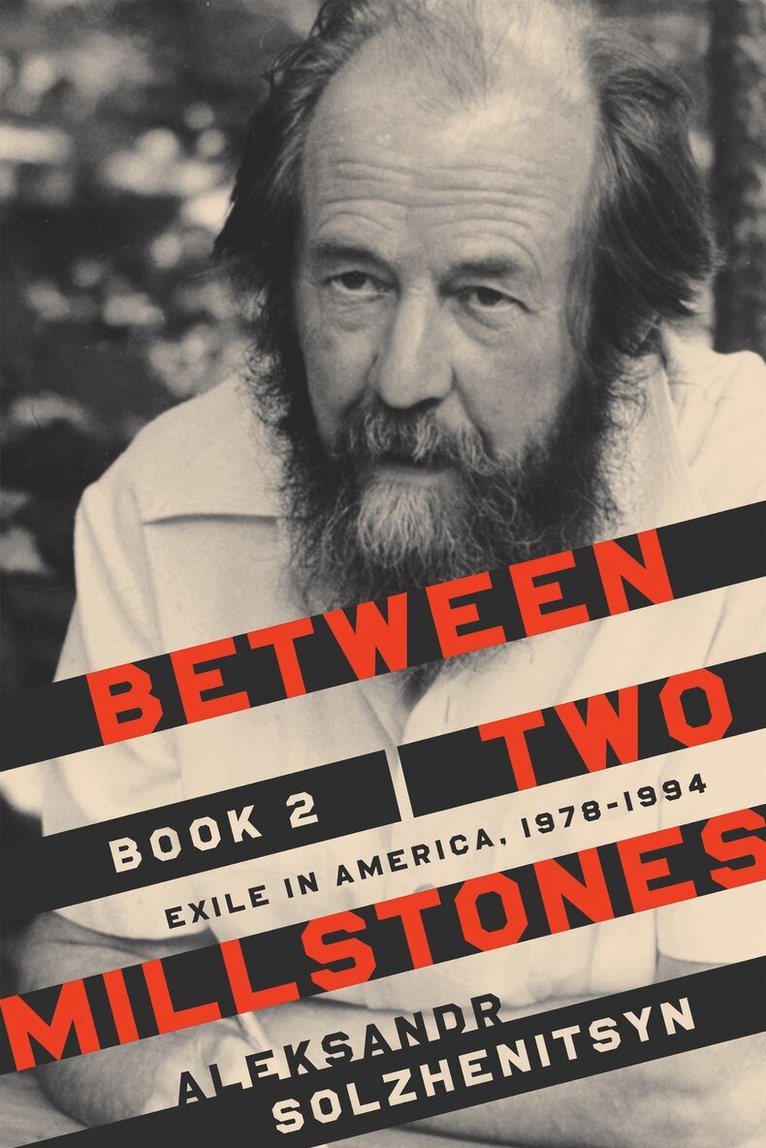
Between Two Millstones, Book 2
Exile in America, 1978-1994
Inbunden, 2020
454 kr
Lägg i varukorg
"Aleksandr Solzhenitsyn delineates his idyllic time in rural Vermont, where he had the freedom to work, spend time with his family, and wage a war of ideas against the Soviet Union and other detractors from afar. At his quiet retreat . . . the Nobel laureate found . . . 'a happiness in free and …
Between Two Millstones, Book 2
Exile in America, 1978-1994
Häftad, 2023
359 kr
Lägg i varukorg
"Aleksandr Solzhenitsyn delineates his idyllic time in rural Vermont, where he had the freedom to work, spend time with his family, and wage a war of ideas against the Soviet Union and other detractors from afar. At his quiet retreat . . . the Nobel laureate found . . . 'a happiness in free and …
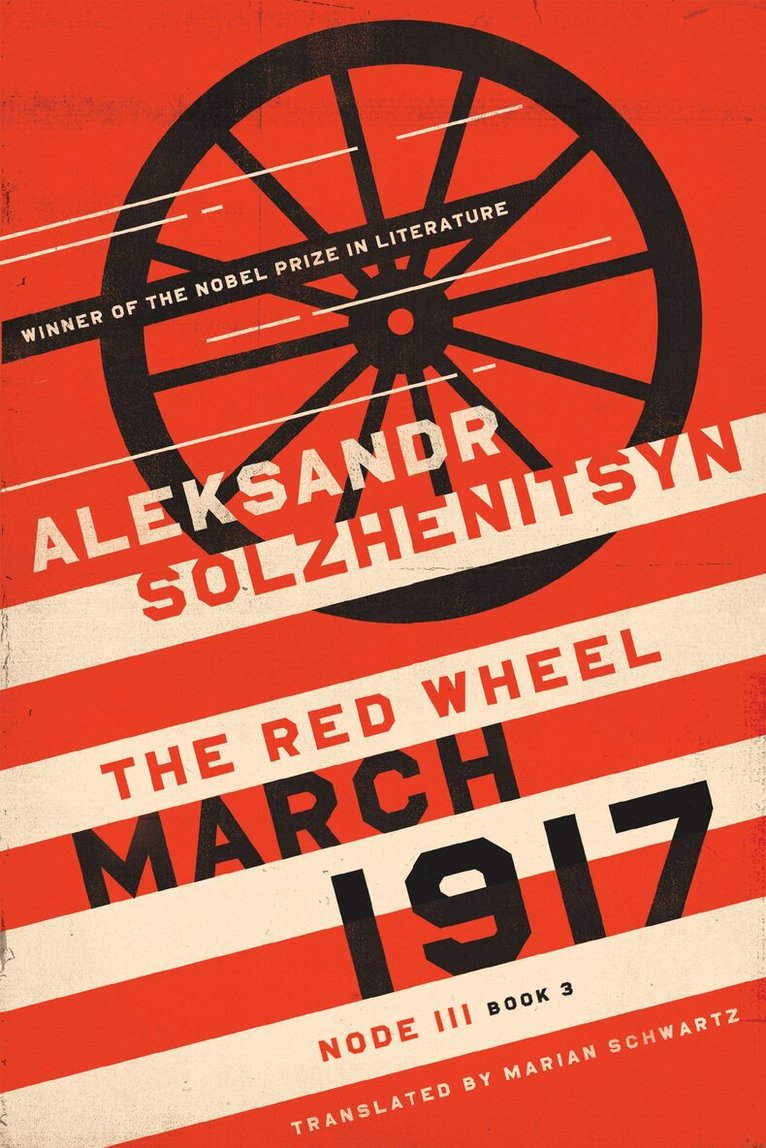
March 1917
The Red Wheel, Node III, Book 3
Inbunden, 2021
4,0 utav 5 stjärnor. Totalt antal röster: (1)
491 kr
Lägg i varukorg
In March 1917, Book 3 the forces of revolutionary disintegration spread out from Petrograd all the way to the front lines of World War I, presaging Russia's collapse. One of the masterpieces of world literature, The Red Wheel is Nobel prize–winner Aleksandr Solzhenitsyn's multivolume epic work …
March 1917
The Red Wheel, Node III, Book 3
Häftad, 2024
389 kr
Lägg i varukorg
In March 1917, Book 3 the forces of revolutionary disintegration spread out from Petrograd all the way to the front lines of World War I, presaging Russia's collapse. One of the masterpieces of world literature, The Red Wheel is Nobel prize–winner Aleksandr Solzhenitsyn's multivolume epic work …