Aleksandra Bartoszko – författare
Visar alla böcker från författaren Aleksandra Bartoszko. Handla med fri frakt och snabb leverans.
4 produkter
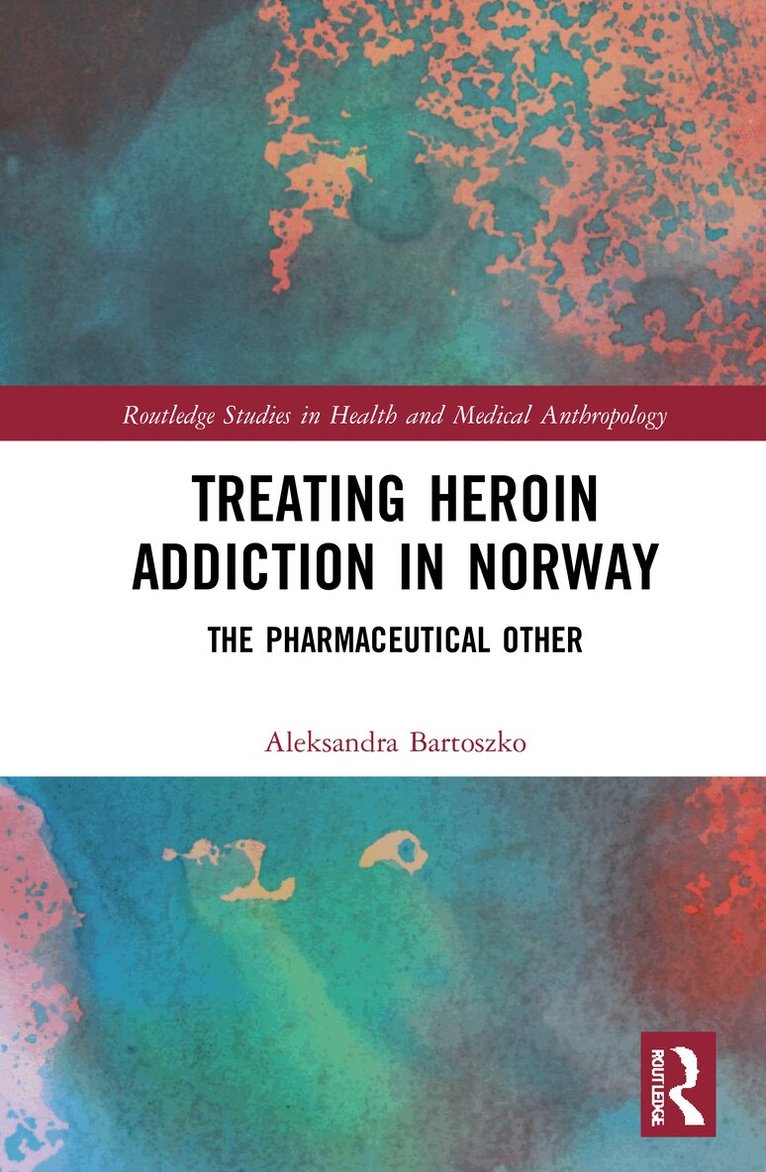
Treating Heroin Addiction in Norway
The Pharmaceutical Other
Inbunden, 2021
2578 kr
Lägg i varukorg
Focusing on the world of Norwegian Opioid Substitution Treatment (OST) in the aftermath of significant reforms, this book casts a critical light on the intersections between medicine and law, and the ideologies infusing the notions of "individual choice" and "patient involvement" in the field of …
Treating Heroin Addiction in Norway
The Pharmaceutical Other
Häftad, 2023
646 kr
Lägg i varukorg
Focusing on the world of Norwegian Opioid Substitution Treatment (OST) in the aftermath of significant reforms, this book casts a critical light on the intersections between medicine and law, and the ideologies infusing the notions of "individual choice" and "patient involvement" in the field of …
Treating Heroin Addiction in Norway
The Pharmaceutical Other
E-bok, 2021
701 kr
Lägg i varukorg
Focusing on the world of Norwegian Opioid Substitution Treatment (OST) in the aftermath of significant reforms, this book casts a critical light on the intersections between medicine and law, and the ideologies infusing the notions of "individual choice" and "patient involvement" in the field of …
Treating Heroin Addiction in Norway
The Pharmaceutical Other
E-bok, 2021
762 kr
Lägg i varukorg
Focusing on the world of Norwegian Opioid Substitution Treatment (OST) in the aftermath of significant reforms, this book casts a critical light on the intersections between medicine and law, and the ideologies infusing the notions of "individual choice" and "patient involvement" in the field of …