Alessandro Amenta - Böcker
Visar alla böcker från författaren Alessandro Amenta. Handla med fri frakt och snabb leverans.
2 produkter
2 produkter
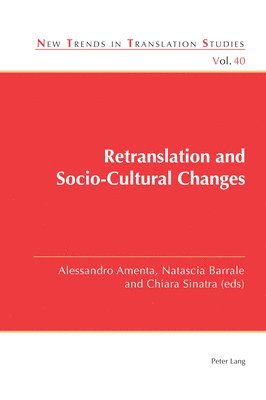
Del 40 - New Trends in Translation Studies
Retranslation and Socio-Cultural Changes
Häftad, Engelska, 2025
584 kr
Skickas inom 5-8 vardagar
This book investigates the intricate connections between retranslation and the profound socio-cultural changes that have shaped Western cultures over the past two centuries. The collected essays address issues such as literary reception, the renewal of literary canons, readers’ expectations and tastes, the transformation of aesthetic values and linguistic standards, the changing status of translators and the position of translated texts in the target polysystems.Drawing on diverse approaches and methodologies, the volume examines publishing history, literary reception, canon formation and the role of texts and paratexts. It offers an original perspective on the methods, purposes and motivations behind retranslation, underlining the historical dimension of a practice that has always been linked to the transformations of the target cultures and their ways of approaching foreignness.
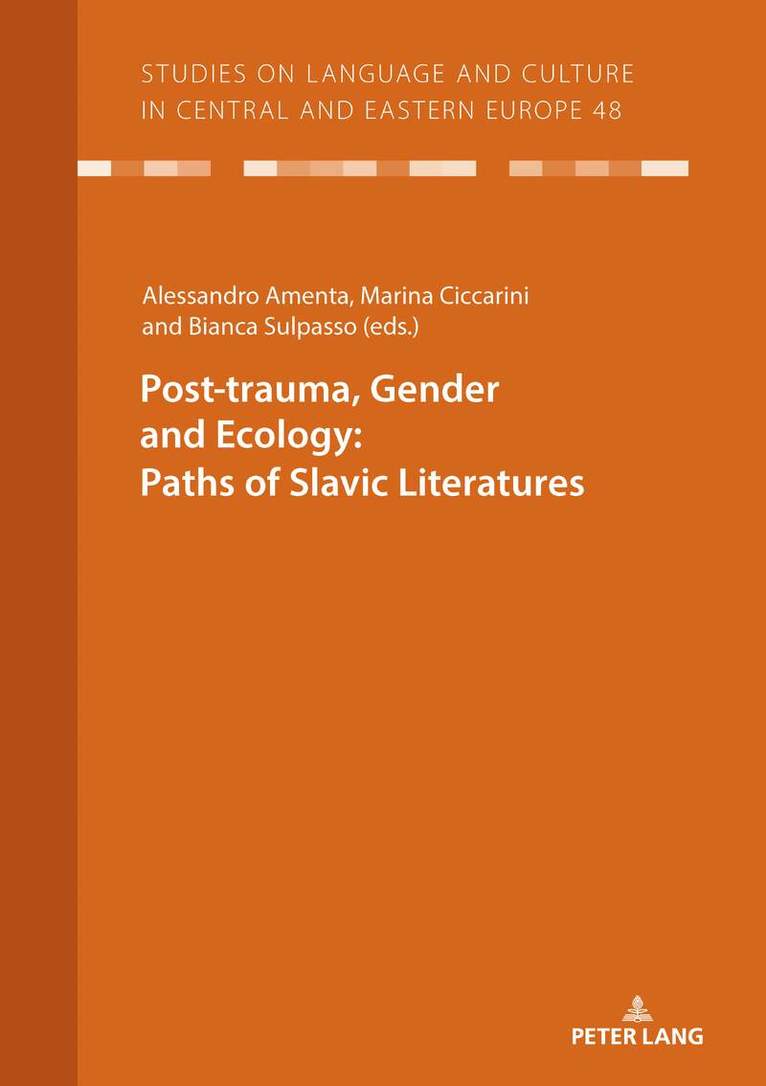
Del 48 - Studies on Language and Culture in Central and Eastern Europe
Post-trauma, Gender and Ecology
Paths of Slavic Literatures
Häftad, Engelska, 2026
625 kr
Skickas inom 5-8 vardagar
The book explores the dynamic intersections between trauma, gender and ecology issues within contemporary Slavic literatures, offering a critical lens through which cultural upheavals of post-communist spaces are examined. Through close readings of prose, poetry, and hybrid literary forms, the volume investigates how narratives from Russia, Poland and Croatia engage with the legacies of violence, displacement and ecological degradation. Drawing on interdisciplinary approaches from trauma studies, gender theory, and ecocriticism, the book highlights how authors reimagine identity, memory, and human-nature relationships in response to ongoing socio-political crises and environmental changes. By foregrounding marginalized voices and experimental narrative strategies, this study reveals literature's transformative potential to engage with both personal and collective wounds, while challenging dominant historical and ecological discourses.