Alex Broadhead – författare
Visar alla böcker från författaren Alex Broadhead. Handla med fri frakt och snabb leverans.
5 produkter
5 produkter
Inbunden, Engelska, 2013
1 435 kr
Skickas inom 10-15 vardagar
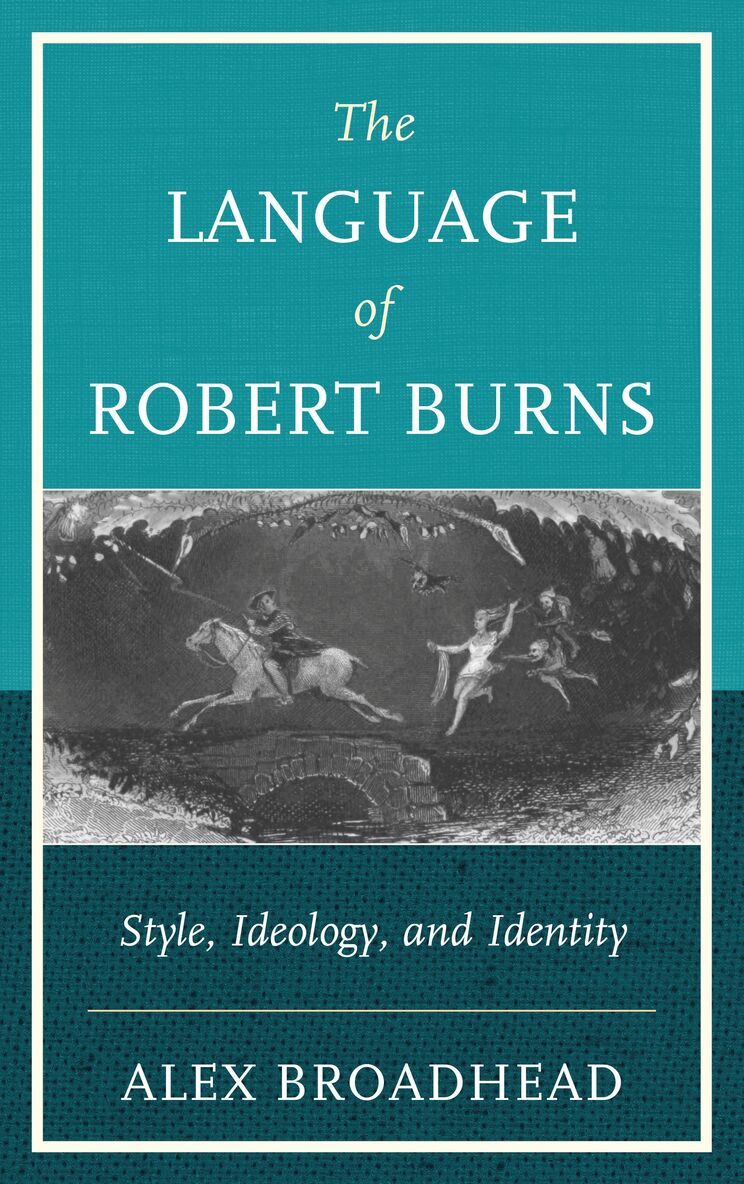
This monograph offers a radical reconceptualization of the relationship between the poetics and practice of Robert Burns and reevaluates the nature of his role in the history of Scots. By drawing on ideas from twenty-first-century sociolinguistic theory, it seeks to transform the debate surrounding Burns’s language. Through a series of readings that explore the way in which Burns used and commented on the styles associated with different places, groups and genres, it demonstrates how languages, places, and the identities associated with both are, in Burns’s writing, subject to continual reinvention. In this respect, the study breaks with existing accounts of the subject, insofar as it presents Scots, English and the other languages used by Burns not as fixed, empirically-observable entities, but as ideas that were revised and remade through the poet’s work. Focusing on Burns’s poems, songs, letters, prefaces, and glossaries, the book pays special attention to the complex ways in which the author engaged with such issues as phonology, grammar, and the naming of languages. The Burns who emerges from this book is not the marginal figure of traditional accounts—an under-educated poet alienated from the philological mainstream—but rather a well-informed thinker who, more than any other contemporary writer, embodies the creative linguistic spirit of the eighteenth century.
E-bok
Engelska, 2013840 kr
Läs direkt efter köp
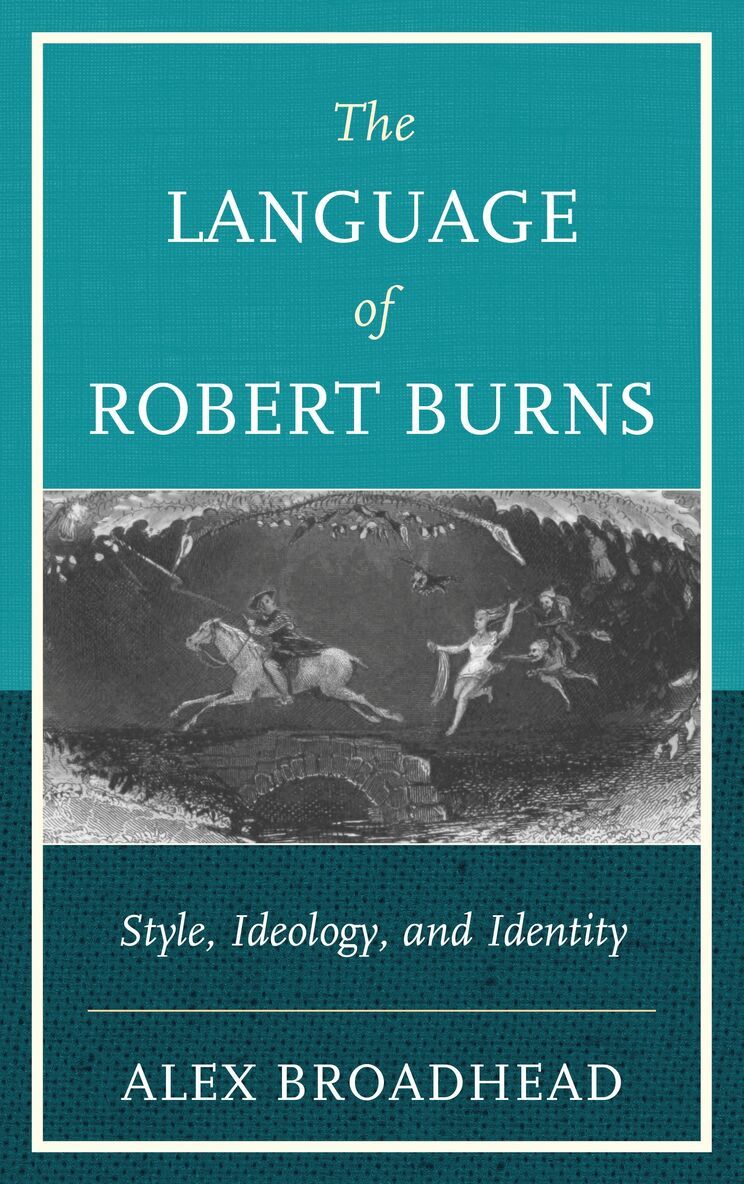
This monograph offers a radical reconceptualization of the relationship between the poetics and practice of Robert Burns and reevaluates the nature of his role in the history of Scots. By drawing on ideas from twenty-first-century sociolinguistic theory, it seeks to transform the debate surrounding Burns’s language. Through a series of readings that explore the way in which Burns used and commented on the styles associated with different places, groups and genres, it demonstrates how languages, places, and the identities associated with both are, in Burns’s writing, subject to continual reinvention. In this respect, the study breaks with existing accounts of the subject, insofar as it presents Scots, English and the other languages used by Burns not as fixed, empirically-observable entities, but as ideas that were revised and remade through the poet’s work. Focusing on Burns’s poems, songs, letters, prefaces, and glossaries, the book pays special attention to the complex ways in which the author engaged with such issues as phonology, grammar, and the naming of languages. The Burns who emerges from this book is not the marginal figure of traditional accounts—an under-educated poet alienated from the philological mainstream—but rather a well-informed thinker who, more than any other contemporary writer, embodies the creative linguistic spirit of the eighteenth century.
Häftad, Engelska, 2015
801 kr
Skickas inom 10-15 vardagar
This monograph offers a radical reconceptualization of the relationship between the poetics and practice of Robert Burns and reevaluates the nature of his role in the history of Scots. By drawing on ideas from twenty-first-century sociolinguistic theory, it seeks to transform the debate surrounding Burns’s language. Through a series of readings that explore the way in which Burns used and commented on the styles associated with different places, groups and genres, it demonstrates how languages, places, and the identities associated with both are, in Burns’s writing, subject to continual reinvention. In this respect, the study breaks with existing accounts of the subject, insofar as it presents Scots, English and the other languages used by Burns not as fixed, empirically-observable entities, but as ideas that were revised and remade through the poet’s work. Focusing on Burns’s poems, songs, letters, prefaces, and glossaries, the book pays special attention to the complex ways in which the author engaged with such issues as phonology, grammar, and the naming of languages. The Burns who emerges from this book is not the marginal figure of traditional accounts—an under-educated poet alienated from the philological mainstream—but rather a well-informed thinker who, more than any other contemporary writer, embodies the creative linguistic spirit of the eighteenth century.
Inbunden, Engelska, 2026
1 190 kr
Skickas inom 5-8 vardagar
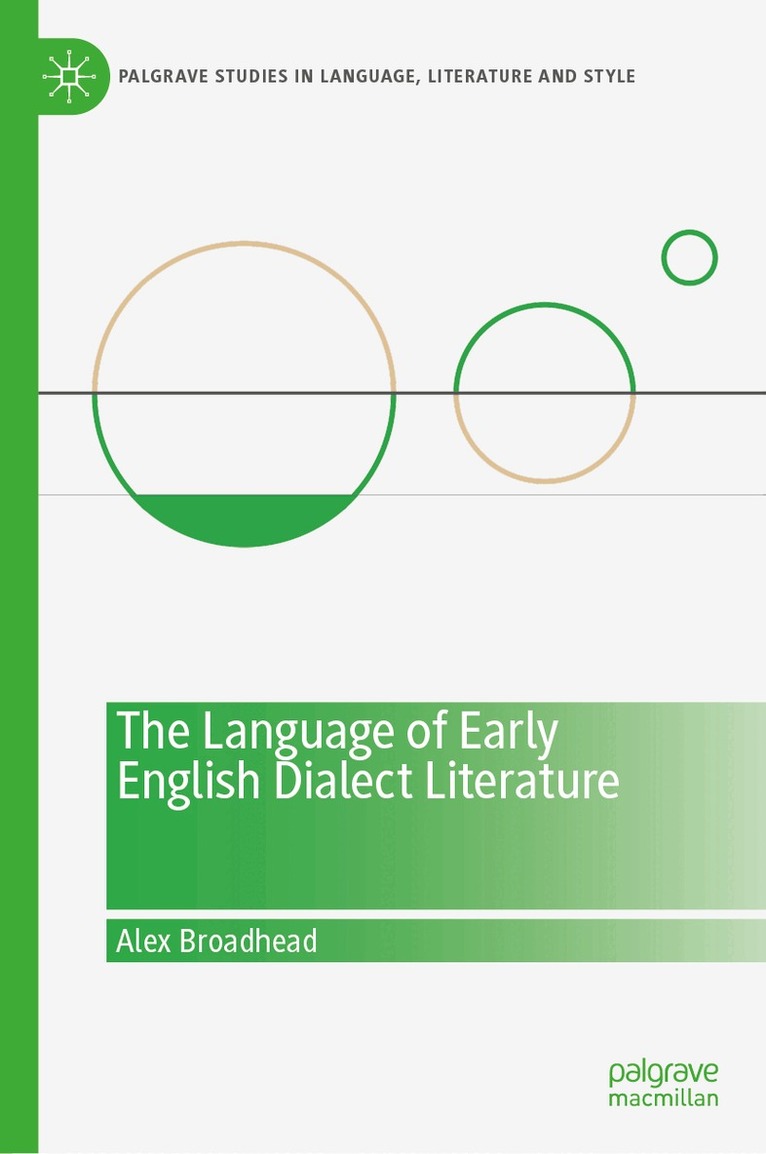
This book is the first monograph devoted entirely to English dialect literature published between the sixteenth and the nineteenth centuries. Over the course of six chapters, the author employs frameworks from stylistics, sociolinguistics, pragmatics and other cognate fields to reveal the rich and varied forms that linguistic creativity takes in the work of dialect writers from across England between 1547 and 1877, ranging from Cumbria in the north-west and Newcastle in the north-east, to Cornwall in the south-west and Kent in the south-east. Challenging the traditional view of dialect literature as backwards-looking and conventional, this book makes a case for its stylistic ambitiousness and complexity. It covers a crucial phase in the history of dialect literature, from the sporadic early attempts of song-writers and pastoralists, to the heyday of the Victorian era, when regional writing flourished in almost every county of England. This book will be of interest to students and scholars of language, literature, dialect, regional writing and identity more generally; as well as students of renaissance, eighteenth-century, romantic and Victorian literature.
E-bok
Engelska, 20261 510 kr
Läs direkt efter köp
This book is the first monograph devoted entirely to English dialect literature published between the sixteenth and the nineteenth centuries. Over the course of six chapters, the author employs frameworks from stylistics, sociolinguistics, pragmatics and other cognate fields to reveal the rich and varied forms that linguistic creativity takes in the work of dialect writers from across England between 1547 and 1877, ranging from Cumbria in the north-west and Newcastle in the north-east, to Cornwall in the south-west and Kent in the south-east. Challenging the traditional view of dialect literature as backwards-looking and conventional, this book makes a case for its stylistic ambitiousness and complexity. It covers a crucial phase in the history of dialect literature, from the sporadic early attempts of song-writers and pastoralists, to the heyday of the Victorian era, when regional writing flourished in almost every county of England. This book will be of interest to students and scholars of language, literature, dialect, regional writing and identity more generally; as well as students of renaissance, eighteenth-century, romantic and Victorian literature.