Alexander Amberger – författare
Visar alla böcker från författaren Alexander Amberger. Handla med fri frakt och snabb leverans.
6 produkter
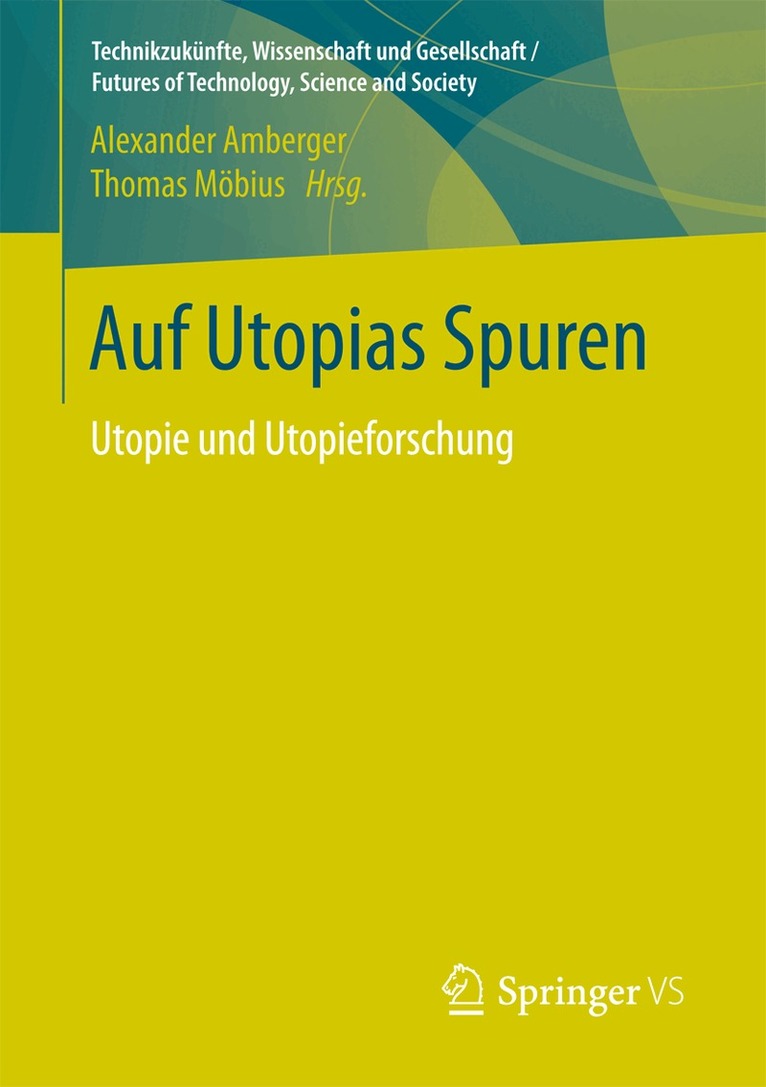
Auf Utopias Spuren
Utopie und Utopieforschung. Festschrift für Richard Saage zum 75. Geburtstag
Av Alexander Amberger, Thomas Möbius
Häftad, 2016
669 kr
Lägg i varukorg
Vor 500 Jahren, 1516, erschien Thomas Morus’ „Utopia“. Der Text machte Furore. Er begründete eine politisch-literarische Gattung und wurde zum Namensgeber einer Tradition des politischen Denkens. Im Laufe der fünf Jahrhunderte mehrfach totgesagt, hat sich die Utopie immer wieder erneuert und ist …
Auf Utopias Spuren
Utopie und Utopieforschung. Festschrift für Richard Saage zum 75. Geburtstag
Av Thomas Mobius, Alexander Amberger
E-bok, 2016
695 kr
Lägg i varukorg
Vor 500 Jahren, 1516, erschien Thomas Morus’ „Utopia“. Der Text machte Furore. Er begründete eine politisch-literarische Gattung und wurde zum Namensgeber einer Tradition des politischen Denkens. Im Laufe der fünf Jahrhunderte mehrfach totgesagt, hat sich die Utopie immer wieder erneuert und ist …
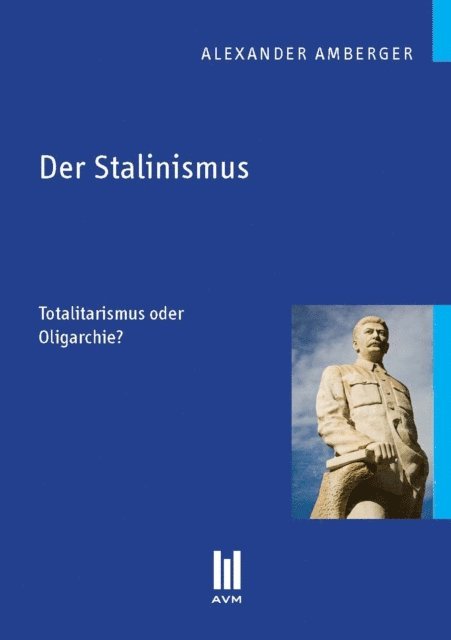
Der Stalinismus
Totalitarismus oder Oligarchie?
E-bok, 2010
204 kr
Lägg i varukorg
War der Stalinismus einmalig oder stellt er einen universellen Herrschaftstypus dar? Wie war es möglich, dass er trotz aller Verbrechen funktionierte, ja sogar auf eine breite Zustimmung in der sowjetischen Bevölkerung zu stoßen schien? Lag es nur an der Aura Stalins? War es die banale Macht der …
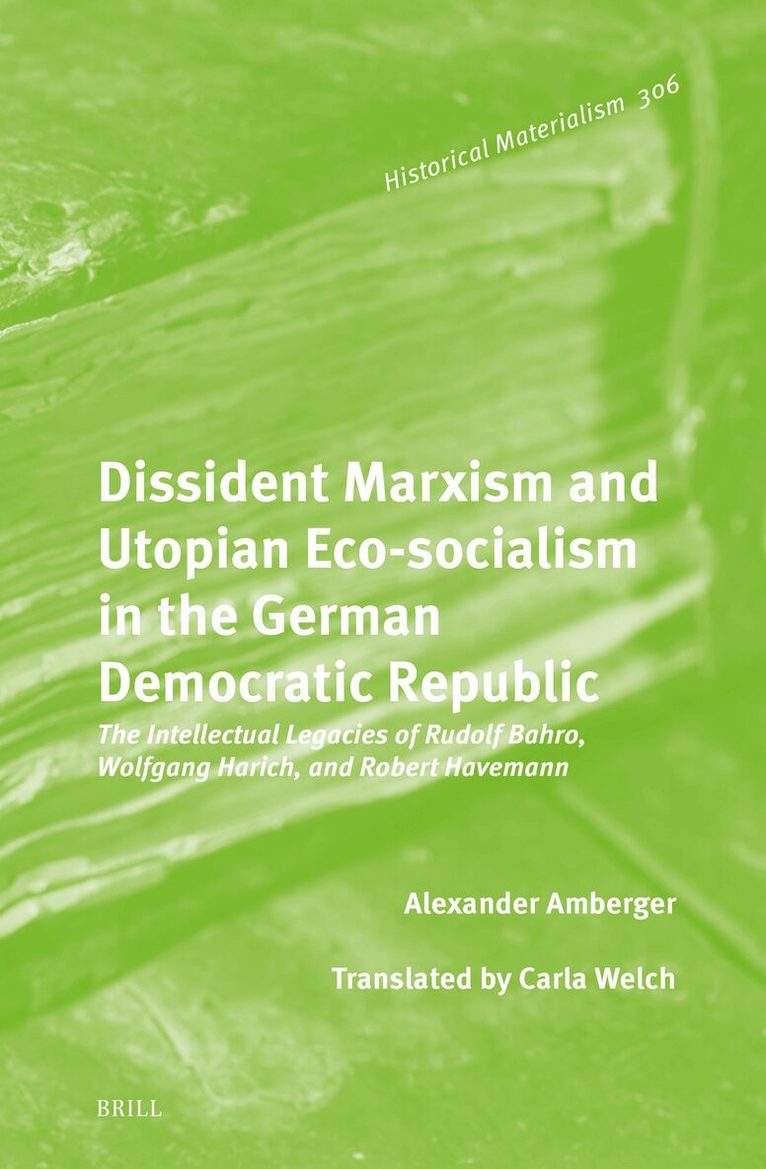
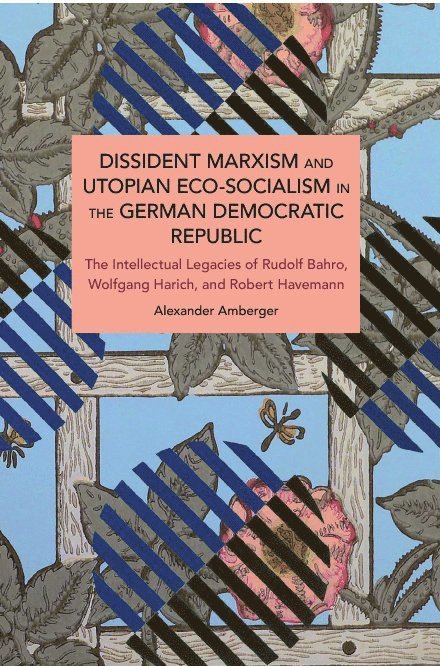
Dissident Marxism and Utopian Eco-Socialism in the German Democratic Republic
The Intellectual Legacies of Rudolf Bahro, Wolfgang Harich, and Robert Havemann
Inbunden, 2024
3062 kr
Lägg i varukorg
Rudolf Bahro, Wolfgang Harich and Robert Havemann were probably the best-known critics of the DDR’s ruling Socialist Unity Party. Yet they saw themselves as Marxists, and their demands extended far beyond a democratisation of real socialism. When environmental issues became more important in the …
Dissident Marxism and Utopian Eco-Socialism in the German Democratic Republic
The Intellectual Legacies of Rudolf Bahro, Wolfgang Harich, and Robert Havemann
Häftad, 2025
469 kr
Lägg i varukorg
Rudolf Bahro, Wolfgang Harich and Robert Havemann were probably the best-known critics of the German Democratic Republic's ruling Socialist Unity Party. Yet they saw themselves as Marxists, and their demands extended far beyond a democratisation of real socialism. When environmental issues became …