Alexander Langlands – författare
Visar alla böcker från författaren Alexander Langlands. Handla med fri frakt och snabb leverans.
5 produkter
5 produkter
Häftad, Engelska, 2019
245 kr
Skickas inom 3-6 vardagar
Inbunden, Engelska, 2017
268 kr
Skickas
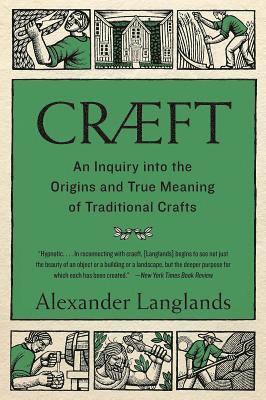
In a period of meaningless mass manufacturing, our growing appetite for hand-made objects, artisan food, and craft beverages reveals our deep cravings for tradition and quality. But there was a time when craft meant something very different; the Old English word cræft possessed an almost indefinable sense of knowledge, wisdom, and power. In this fascinating book, historian and popular broadcaster Alex Langlands goes in search of the mysterious lost meaning of cræft. Through a vibrant series of mini-histories, told with his trademark energy and charm, Langlands resurrects the ancient craftspeople who fused exquisite skill with back-breaking labour-and passionately defends the renewed importance of cræft today.
E-bok
Engelska, 2017198 kr
Läs direkt efter köp
In the modern world we are becoming bombarded by craft. Hand-made tools, artisan breads and craft beers are all part of a pantheon of goods designed to appeal to our earthier selves, our sense of tradition, quality and luxury, all brought together through a personal touch - objects to savour in a world of meaningless mass manufacture. But once, craft - or more specifically, cræft - meant something very different. When it was first written down in Old English, over a thousand years ago, it had an almost indefinable sense of 'knowledge', 'wisdom' and 'power'. To be cræfty was to be truly intelligent - but in a way that is almost inconceivable to us today. Through a series of mini-histories, detailed craft analyses and personal anecdotes, archaeologist, historian and broadcaster Alex Langlands goes in search of the lost knowledge of cræft. Fusing stories of landscapes, personalities and mesmerising skill, with back-breaking hard work, this book will convince readers - for their health, wealth and well-being - to introduce more cræft into their lives.
E-bok
Engelska, 201244 kr
Läs direkt efter köp
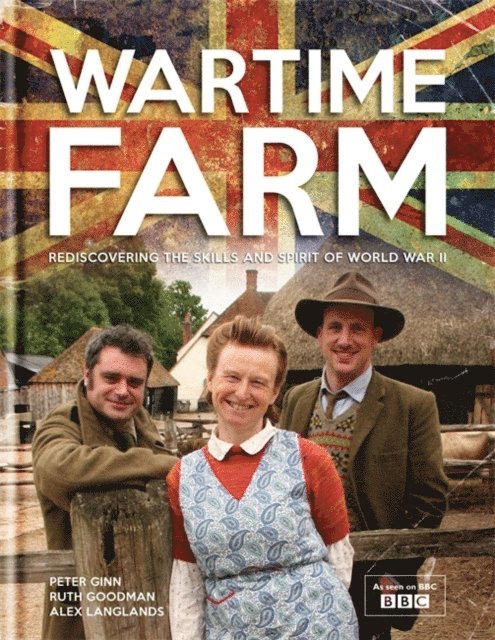
During World War Two Britain had to look to the land to provide the produce it had previously shipped in from abroad, meaning huge changes on both the agricultural and domestic scenes. Accompanying an 8-part BBC series and written by the three presenters who spend a year living on a reconstructed farm from the era, Wartime Farm sets these changes within a historical context and looks at the day-to-day life of that time. Exploring a fascinating chapter in Britain''s recent history, we see how our predecessors lived and thrived in difficult conditions with extreme frugality and ingenuity. From growing your own vegetables and keeping chickens in the back yard, to having to ''make do and mend'', many of the challenges faced by wartime Britons have resonance today. Fascinating historical detail and atmospheric story-telling make this a truly compelling read.
Häftad, Engelska, 2019
479 kr
Tillfälligt slut
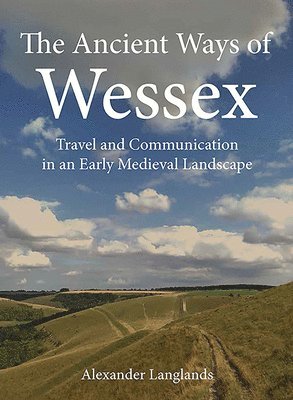
The Ancient Ways of Wessex tells the story of Wessex’s roads in the early medieval period, at the point at which they first emerge in the historical record. This is the age of the Anglo-Saxons and an era that witnessed the rise of a kingdom that was taken to the very brink of defeat by the Viking invasions of the ninth century. It is a period that goes on to become one within which we can trace the beginnings of the political entity we have come to know today as England. In a series of ten detailed case studies the reader is invited to consider historical and archaeological evidence, alongside topographic information and ancient place-names, in the reconstruction of the networks of routeways and communications that served the people and places of the Anglo-Saxon kingdom of Wessex. Whether you were a peasant, pilgrim, drover, trader, warrior, bishop, king or queen, travel would have been fundamental to life in the early middle ages and this book explores the physical means by which the landscape was constituted to facilitate and improve the movement of people, goods and ideas from the seventh through to the eleventh centuries. What emerges is a dynamic web of interconnecting routeways serving multiple functions and one, perhaps, even busier than that in our own working countryside. A narrative of transition, one of both of continuity and change, provides a fresh and alternative window into the everyday workings of an early medieval landscape through the pathways trodden over a millennium ago.