
Alexander Statiev – författare
Visar alla böcker från författaren . Handla med fri frakt och snabb leverans.
6 produkter
6 produkter
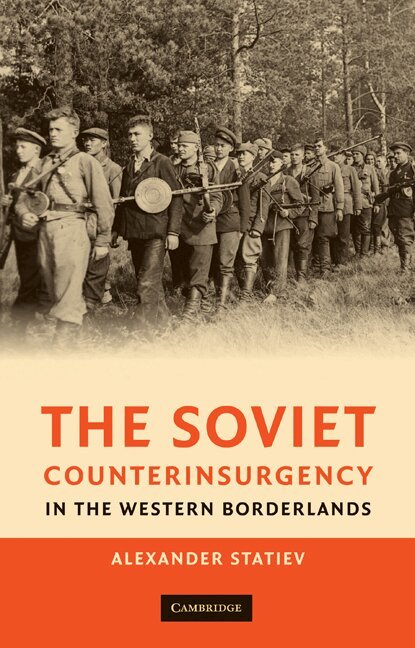
Inbunden, Engelska, 2010
1 531 kr
Skickas inom 7-10 vardagar
The Soviet Counterinsurgency in the Western Borderlands investigates the Soviet response to nationalist insurgencies that occurred between 1944 and 1953 in the regions the Soviet Union annexed after the Nazi-Soviet pact: Eastern Poland, Lithuania, Latvia, and Estonia. Based on new archival data, Alexander Statiev presents the first comprehensive study of Soviet counterinsurgency that ties together the security tools and populist policies intended to attract the local populations. The book traces the origins of the Soviet pacification doctrine and then presents a comparative analysis of the rural societies in Eastern Poland and the Baltic States on the eve of the Soviet invasion. This analysis is followed by a description of the anti-communist resistance movements. Subsequently, the author shows how ideology affected the Soviet pacification doctrine and examines the major means to enforce the doctrine: agrarian reforms, deportations, amnesties, informant networks, covert operations, and local militias.
E-bok
PDF, Engelska, 2026797 kr
Läs direkt efter köp
Exploring the evolution of adventure tourism in Russia from imperial times to the present, this book highlights the distinctive features of Soviet non-commercial trekking, boating, climbing and skiing expeditions organised by urbanites during their annual vacations.This study, based on archival and other contemporary sources, and interviews with key leaders of the Soviet outdoor community, also benefits from the unique personal perspective of the author who led numerous expeditions across Soviet wilderness. This book discusses the uneasy symbiotic relationship between tourist self-administration and the state bureaucracy that attempted to impose its own programme on outdoor enthusiasts; the culture of Soviet adventure tourism, including its distinctly militaristic flavour; the social, ethnic, and gender composition of tourist teams; and a host of problems, unfamiliar to Western adventurers, encountered and solved along the thorny path to the trailhead. This book analyses the temporary micro-socialities created by Soviet tourists, exposing the values that flourished outside of state control.Outdoor Adventures in the Soviet Union and the Post-Soviet Space will be a useful resource to scholars of authoritarianism, especially those studying the latter in the context of cultural and sports history as well as for graduate students taking courses on cultural or social history.
E-bok
Engelska, 2026797 kr
Läs direkt efter köp
Exploring the evolution of adventure tourism in Russia from imperial times to the present, this book highlights the distinctive features of Soviet non-commercial trekking, boating, climbing and skiing expeditions organised by urbanites during their annual vacations.This study, based on archival and other contemporary sources, and interviews with key leaders of the Soviet outdoor community, also benefits from the unique personal perspective of the author who led numerous expeditions across Soviet wilderness. This book discusses the uneasy symbiotic relationship between tourist self-administration and the state bureaucracy that attempted to impose its own programme on outdoor enthusiasts; the culture of Soviet adventure tourism, including its distinctly militaristic flavour; the social, ethnic, and gender composition of tourist teams; and a host of problems, unfamiliar to Western adventurers, encountered and solved along the thorny path to the trailhead. This book analyses the temporary micro-socialities created by Soviet tourists, exposing the values that flourished outside of state control.Outdoor Adventures in the Soviet Union and the Post-Soviet Space will be a useful resource to scholars of authoritarianism, especially those studying the latter in the context of cultural and sports history as well as for graduate students taking courses on cultural or social history.
Inbunden, Engelska, 2026
2 477 kr
Skickas inom 10-15 vardagar
Exploring the evolution of adventure tourism in Russia from imperial times to the present, this book highlights the distinctive features of Soviet non-commercial trekking, boating, climbing and skiing expeditions organised by urbanites during their annual vacations.This study, based on archival and other contemporary sources, and interviews with key leaders of the Soviet outdoor community, also benefits from the unique personal perspective of the author who led numerous expeditions across Soviet wilderness. This book discusses the uneasy symbiotic relationship between tourist self-administration and the state bureaucracy that attempted to impose its own programme on outdoor enthusiasts; the culture of Soviet adventure tourism, including its distinctly militaristic flavour; the social, ethnic, and gender composition of tourist teams; and a host of problems, unfamiliar to Western adventurers, encountered and solved along the thorny path to the trailhead. This book analyses the temporary micro-socialities created by Soviet tourists, exposing the values that flourished outside of state control.Outdoor Adventures in the Soviet Union and the Post-Soviet Space will be a useful resource to scholars of authoritarianism, especially those studying the latter in the context of cultural and sports history as well as for graduate students taking courses on cultural or social history.
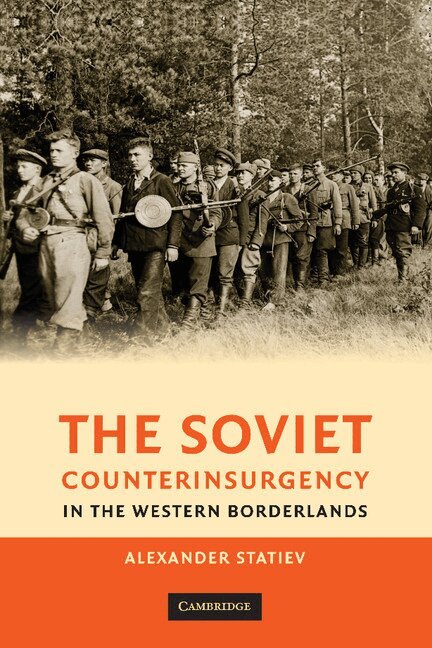
Häftad, Engelska, 2013
458 kr
Skickas inom 7-10 vardagar
The Soviet Counterinsurgency in the Western Borderlands investigates the Soviet response to nationalist insurgencies that occurred between 1944 and 1953 in the regions the Soviet Union annexed after the Nazi-Soviet pact: Eastern Poland, Lithuania, Latvia, and Estonia. Based on new archival data, Alexander Statiev presents the first comprehensive study of Soviet counterinsurgency that ties together the security tools and populist policies intended to attract the local populations. The book traces the origins of the Soviet pacification doctrine and then presents a comparative analysis of the rural societies in Eastern Poland and the Baltic States on the eve of the Soviet invasion. This analysis is followed by a description of the anti-communist resistance movements. Subsequently, the author shows how ideology affected the Soviet pacification doctrine and examines the major means to enforce the doctrine: agrarian reforms, deportations, amnesties, informant networks, covert operations, and local militias.
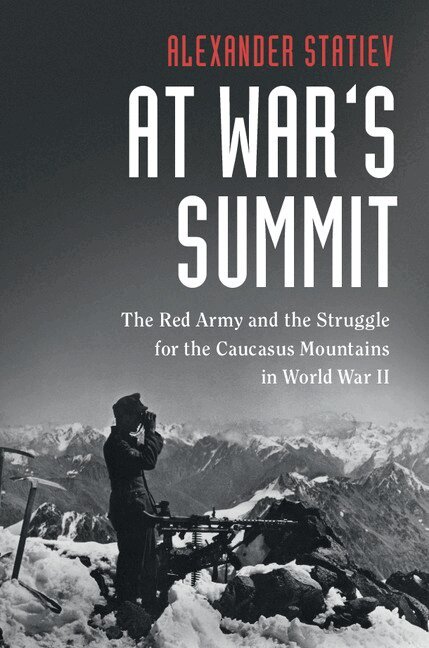
Inbunden, Engelska, 2018
418 kr
Skickas inom 7-10 vardagar
This is the story of the highest battlefield of World War Two, which brings to life the extremes endured during this harsh mountain warfare. When the German war machine began faltering from a shortage of oil after the failed Blitzkrieg against the Soviet Union, the Wehrmacht launched Operation Edelweiss in the summer of 1942, a bold attempt to capture the Soviet oilfields of Grozny and Baku and open the way to securing the vast reserves of Middle Eastern oil. Hitler viewed this campaign as the key to victory in World War Two. Mountain warfare requires unique skills: climbing and survival techniques, unconventional logistical and medical arrangements and knowledge of ballistics at high altitudes. The Main Caucasus Ridge became the battleground that saw the elite German mountain divisions clash with the untrained soldiers of the Red Army, as they fought each other, the weather and the terrain.