Alexiana Fry – författare
Visar alla böcker från författaren Alexiana Fry. Handla med fri frakt och snabb leverans.
2 produkter
2 produkter
Häftad, Engelska, 2026
379 kr
Skickas
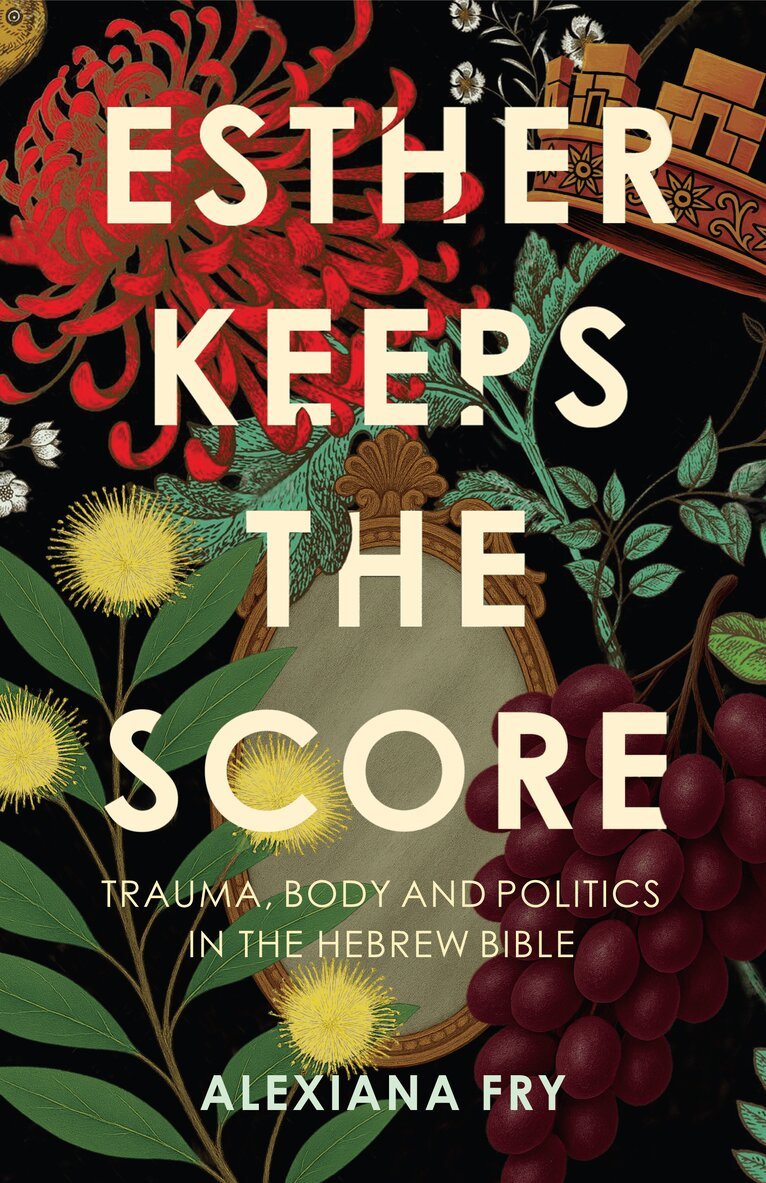
We can no longer read biblical texts that include explicit and implicit depictions of violence without awareness of trauma. In Esther Keeps the Score, Alexiana Fry challenges conventional interpretations of the Hebrew Bible/Old Testament book of Esther. Fry offers a full treatment of the violence found within, seen through a trauma-informed lens, acknowledging the many shifting contexts and power structures that create significant effect on the characters in the story. Through an analysis of gender and ethnic minoritization in diaspora settings, as well as how this shows itself in emotional and somatic compulsive responses, the book of Esther can be read afresh with empathic eyes.Understanding Esther with a holistic view on how oppression creates, sustains and perpetuates trauma, in both individuals and collectives, should cause readers to consider ways to break the cycle, both in the book and in their own worlds and lives. A must-read for Old Testament and trauma scholars, preachers, as well as anyone seeking to better understand how trauma operates in biblical narratives, Esther Keeps the Score reshapes our understanding of Esther's story and its implications for survival in a hostile world of patriarchy, sexism, misogyny and racism.
Inbunden, Engelska, 2023
971 kr
Skickas inom 10-15 vardagar
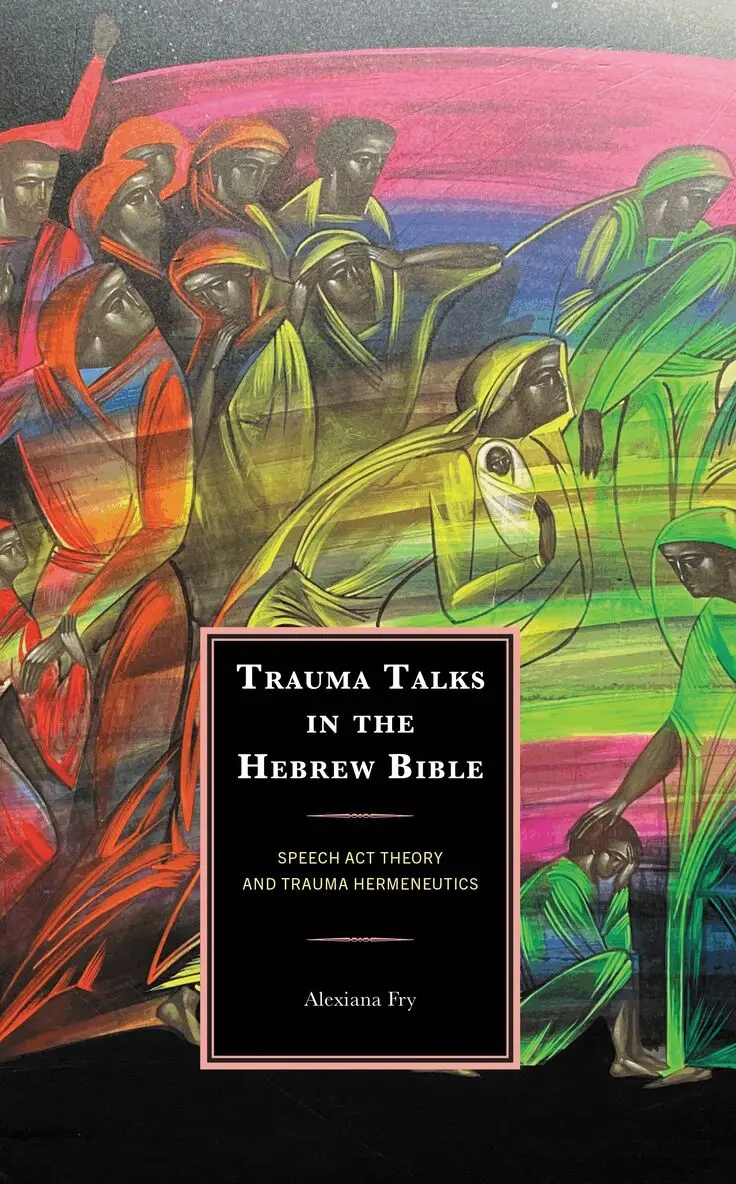
If one of the many ways out of trauma’s impact is through words, then why not use a theory closely attached to words and their impact alongside current trauma theories in understanding historical narratives? In Trauma Talks in the Hebrew Bible: Speech Act Theory and Trauma Hermeneutics, Alexiana Fry utilizes a diverse methodology of speech act theory and trauma hermeneutics to argue for a more fluid and holistic approach in re-interpreting narratives in the Hebrew Bible. Examining a more dissociative “objective” manner in reading, each chapter asks the question of “what about our own bodies?” Purposely provoking attunement with oneself to embrace “empathic unsettlement,” the book refuses to give any semblance of finality. Through the many types of performative utterances and traumas both individual and collective—Joshua, Judges, Samuel, Ecclesiastes, and Hosea—Fry investigates the varied layers that constitute their many meanings. The reader is invited into an awareness and openness that is the human experience in biblical studies.