Ali Fard - Böcker
Visar alla böcker från författaren Ali Fard. Handla med fri frakt och snabb leverans.
3 produkter
3 produkter
1 308 kr
Kommande
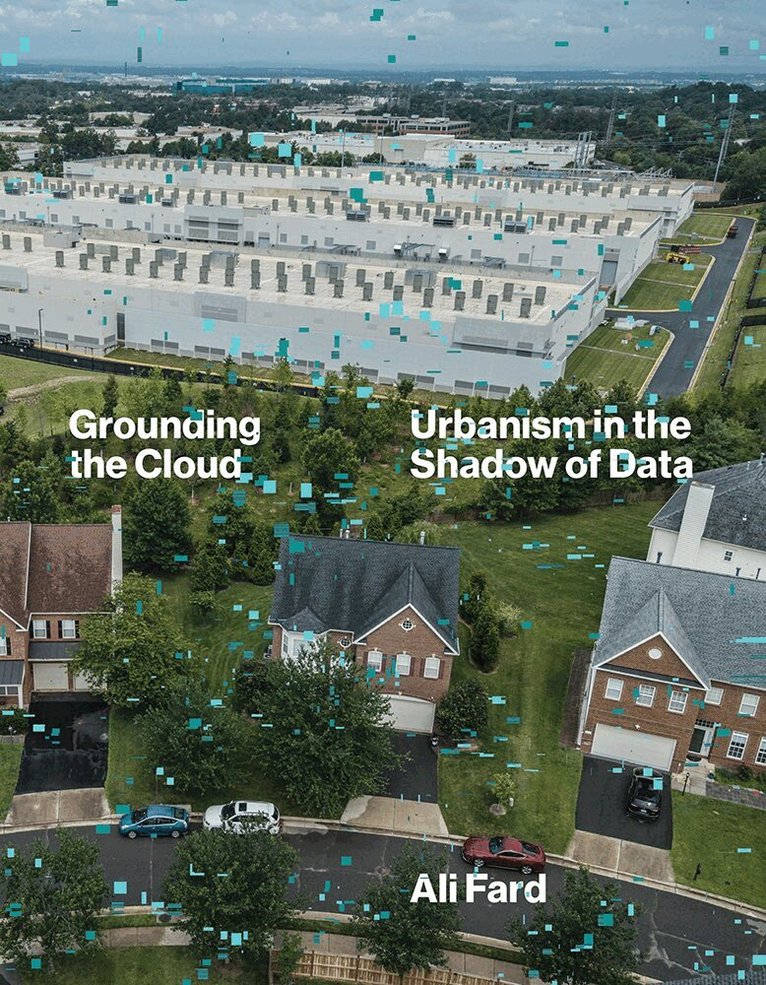
A detailed foray into the material and spatial realities of cloud computingSince the 1990s, technologists have promoted a vision of the "cloud" as a shapeless and intangible entity. Grounding the Cloud peers through this hazy façade to reveal the earthly material foundations of global computing and data extraction. Tracing the historical and technological development of the cloud computing paradigm, Ali Fard exposes an ever-evolving project in which ideologies, economic models, and marketing images collude to shape our shared urban environments.Demonstrating how technology's spatial footprint now stretches to nearly every corner of the globe, Grounding the Cloud analyzes the often-hidden infrastructures that facilitate platform capitalism – from the mines extracting rare earth minerals in remote regions to the vast global network of fiber-optic cables at the bottom of the oceans to the nondescript data centers that sit on the peripheries of major urban areas. Meanwhile, with compelling examples of smart-city initiatives and corporate campuses, Fard shows how the future of urbanism is deeply intertwined with the growing economies of data extraction.Breaking down the myth of a clean and efficient tech urbanism, this book makes visible the complex material geographies and geopolitics that undergird today's most powerful and omnipresent corporations. A timely critique of the growing agency of tech platforms in determining the future of urban space, Grounding the Cloud offers an essential framework for understanding the shifting relationship between technology and urbanization.Retail e-book files for this title are screen-reader friendly with images accompanied by short alt text and/or extended descriptions.
297 kr
Kommande
A detailed foray into the material and spatial realities of cloud computingSince the 1990s, technologists have promoted a vision of the "cloud" as a shapeless and intangible entity. Grounding the Cloud peers through this hazy façade to reveal the earthly material foundations of global computing and data extraction. Tracing the historical and technological development of the cloud computing paradigm, Ali Fard exposes an ever-evolving project in which ideologies, economic models, and marketing images collude to shape our shared urban environments.Demonstrating how technology's spatial footprint now stretches to nearly every corner of the globe, Grounding the Cloud analyzes the often-hidden infrastructures that facilitate platform capitalism – from the mines extracting rare earth minerals in remote regions to the vast global network of fiber-optic cables at the bottom of the oceans to the nondescript data centers that sit on the peripheries of major urban areas. Meanwhile, with compelling examples of smart-city initiatives and corporate campuses, Fard shows how the future of urbanism is deeply intertwined with the growing economies of data extraction.Breaking down the myth of a clean and efficient tech urbanism, this book makes visible the complex material geographies and geopolitics that undergird today's most powerful and omnipresent corporations. A timely critique of the growing agency of tech platforms in determining the future of urban space, Grounding the Cloud offers an essential framework for understanding the shifting relationship between technology and urbanization.Retail e-book files for this title are screen-reader friendly with images accompanied by short alt text and/or extended descriptions.
203 kr
Skickas inom 7-10 vardagar
Digital information and data flows permeate every aspect of our society. Within this context, design extensively avails itself of the technological bounty of advanced digital tools. Yet beyond these tools, the fluidity of digital information and the seemingly immaterial nature of communication dominate most discussions. Understanding the contemporary networks of information and communication as inherently geographic, Geographies of Information attempts to realign design’s relationship to information and communication technologies (ICTs) by expounding on their multiscalar complexities and contextual intricacies. From the impact of digital social media on political action and the rise of predictive technologies in speculative real estate to new ways of mapping temporal conditions of a site and the evolving role of information in how designers see, understand, and act on space, ICTs exert critical influence. This issue of New Geographies examines the forms, imprints, places, and territories of ICTs through spatially grounded and nuanced accounts of the hybrid conditions that ICTs generate, the scales at which they operate, and how this production of space is manifested in both advanced and emerging economies.