Alice Bar Nes – författare
Visar alla böcker från författaren Alice Bar Nes. Handla med fri frakt och snabb leverans.
4 produkter
4 produkter
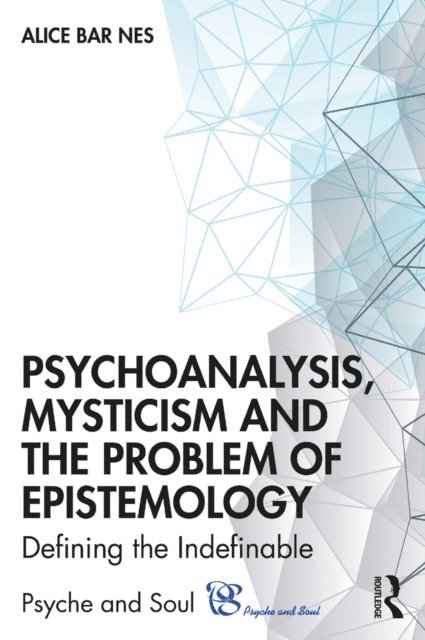
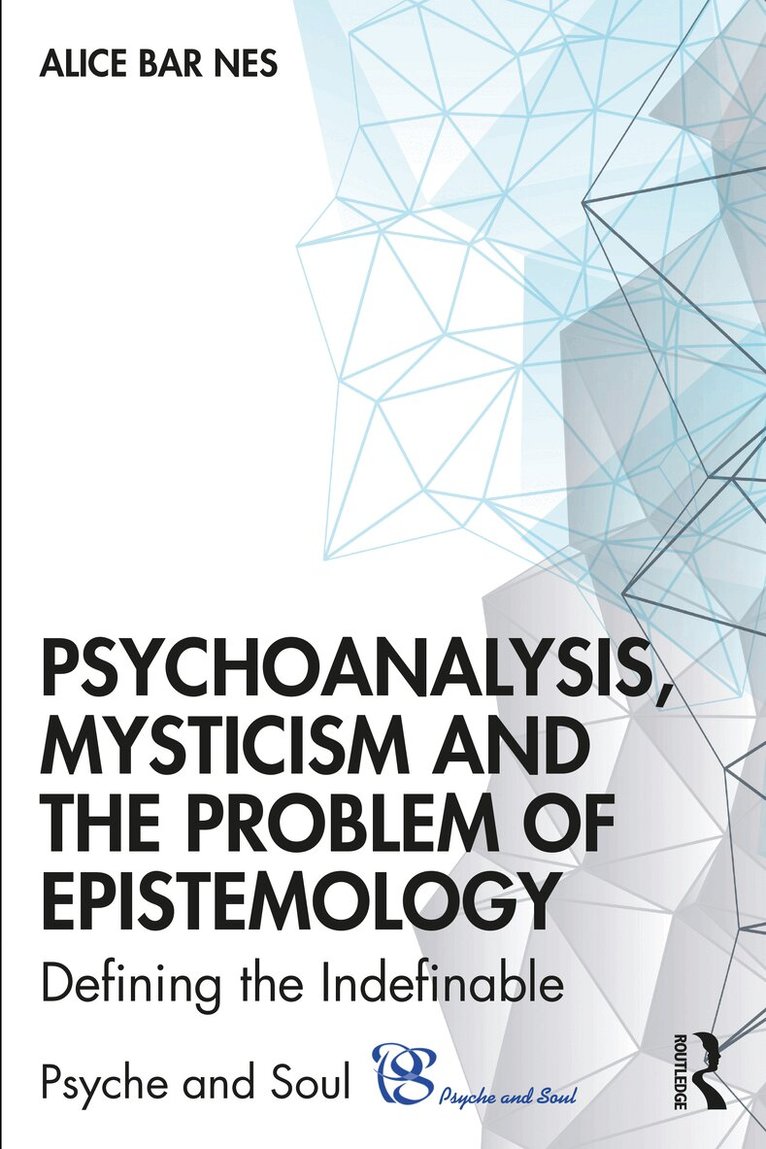
Psychoanalysis, Mysticism and the Problem of Epistemology
Defining the Indefinable
Häftad, Engelska, 2021
485 kr
Skickas inom 10-15 vardagar
This book presents key psychoanalytic theories from a fresh perspective: that of the mystical element. The author explores the depth-structure of central assumptions in psychoanalytic theory to uncover the mystical core of conventional analytic thinking. Exploring authors from Freud and Ferenczi, through Bion and Winnicott, to contemporary voices such as Ogden, Bollas and Eigen, the book shows that psychoanalysis has always operated on the assumption of psychic overlap, a "soul-to-soul" contact, between patient and analyst. Surprisingly, the book shows how this "magical" facet goes hand in hand with a pragmatic worldview that explores the epistemological complexities of psychoanalysis in search of a way to join the subjective, even the mystical, with the practical aim of serving as a validated mental health discipline. This is accomplished through an interdisciplinary and intertextual encounter between psychoanalysis and the innovative pairing of William James’ pragmatic philosophy and Martin Buber’s dialogic thought. The author's paradoxical stance surrounding the nature and role of psychoanalysis and its mystical facet resonate the great challenge embedded in Winnicott's insistence on tolerating paradox and Bion's demand to respect all parts of the (psychoanalytic) truth, in this case, the practical and mundane alongside the mystical and magical. The book’s broad, interdisciplinary outlook will captivate both psychoanalysts and psychoanalytic therapists as well as scholars of philosophy.
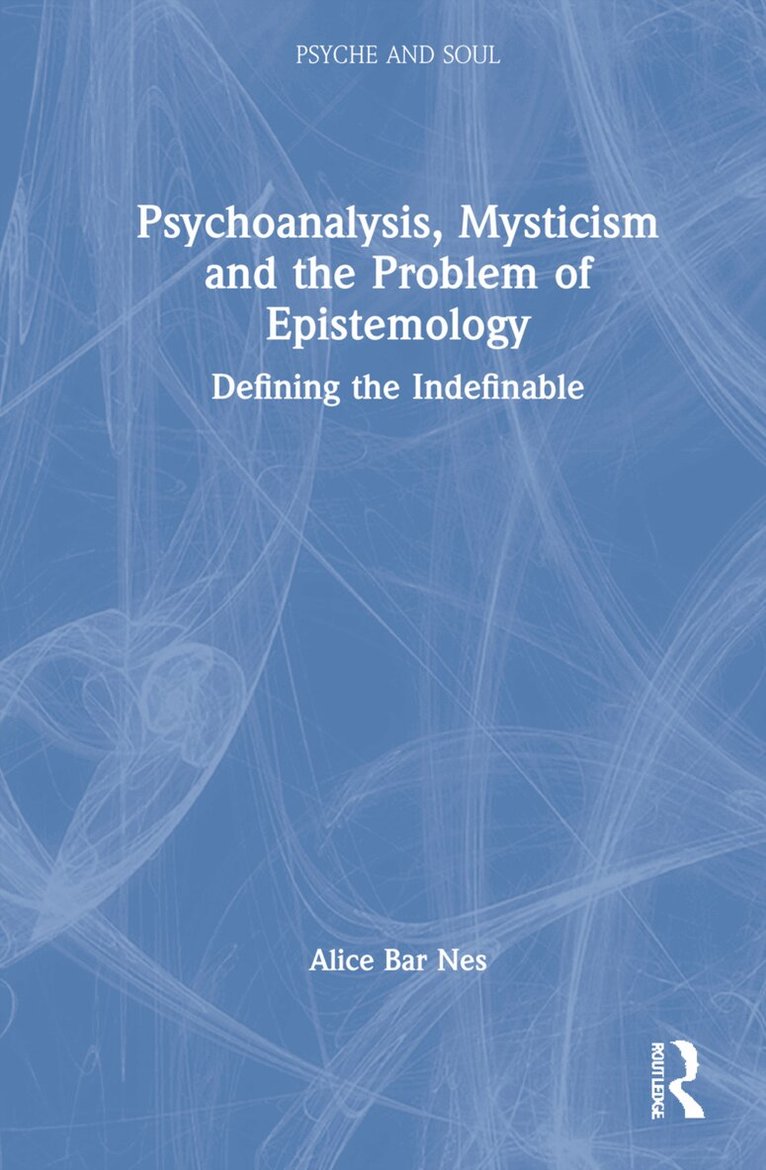
Psychoanalysis, Mysticism and the Problem of Epistemology
Defining the Indefinable
Inbunden, Engelska, 2021
1 988 kr
Skickas inom 10-15 vardagar
This book presents key psychoanalytic theories from a fresh perspective: that of the mystical element. The author explores the depth-structure of central assumptions in psychoanalytic theory to uncover the mystical core of conventional analytic thinking. Exploring authors from Freud and Ferenczi, through Bion and Winnicott, to contemporary voices such as Ogden, Bollas and Eigen, the book shows that psychoanalysis has always operated on the assumption of psychic overlap, a "soul-to-soul" contact, between patient and analyst. Surprisingly, the book shows how this "magical" facet goes hand in hand with a pragmatic worldview that explores the epistemological complexities of psychoanalysis in search of a way to join the subjective, even the mystical, with the practical aim of serving as a validated mental health discipline. This is accomplished through an interdisciplinary and intertextual encounter between psychoanalysis and the innovative pairing of William James’ pragmatic philosophy and Martin Buber’s dialogic thought. The author's paradoxical stance surrounding the nature and role of psychoanalysis and its mystical facet resonate the great challenge embedded in Winnicott's insistence on tolerating paradox and Bion's demand to respect all parts of the (psychoanalytic) truth, in this case, the practical and mundane alongside the mystical and magical. The book’s broad, interdisciplinary outlook will captivate both psychoanalysts and psychoanalytic therapists as well as scholars of philosophy.
528 kr
Kommande
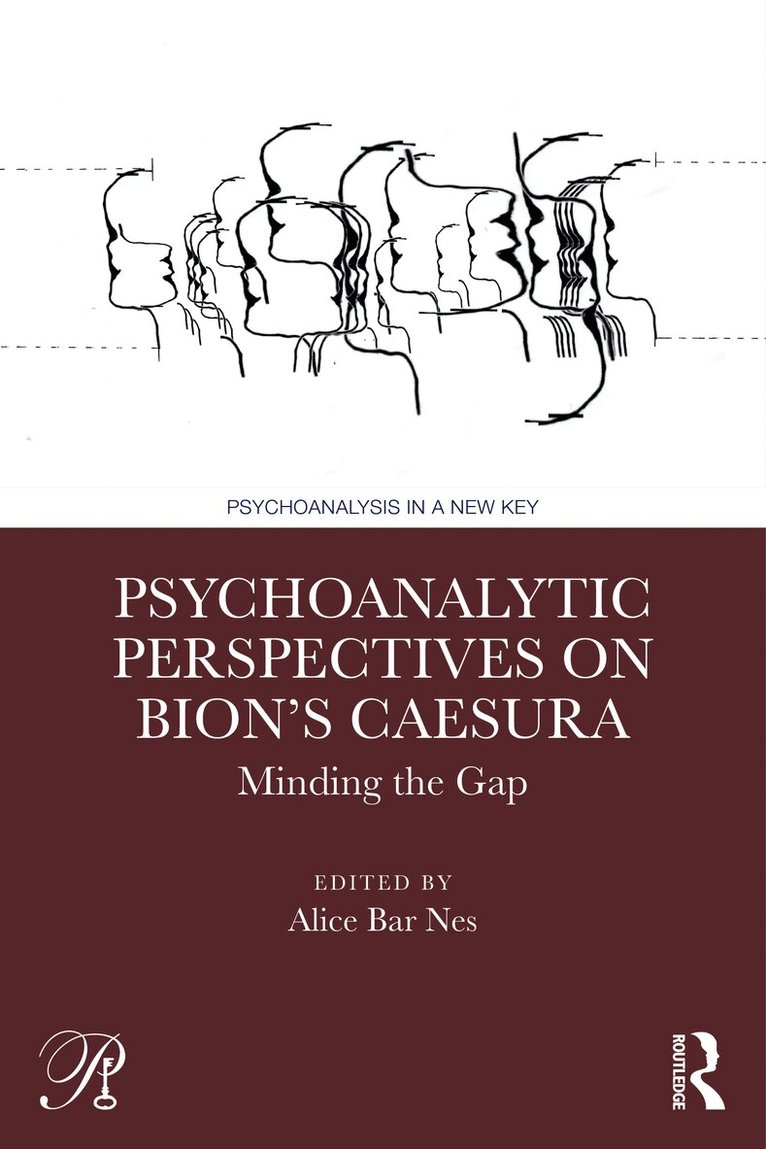
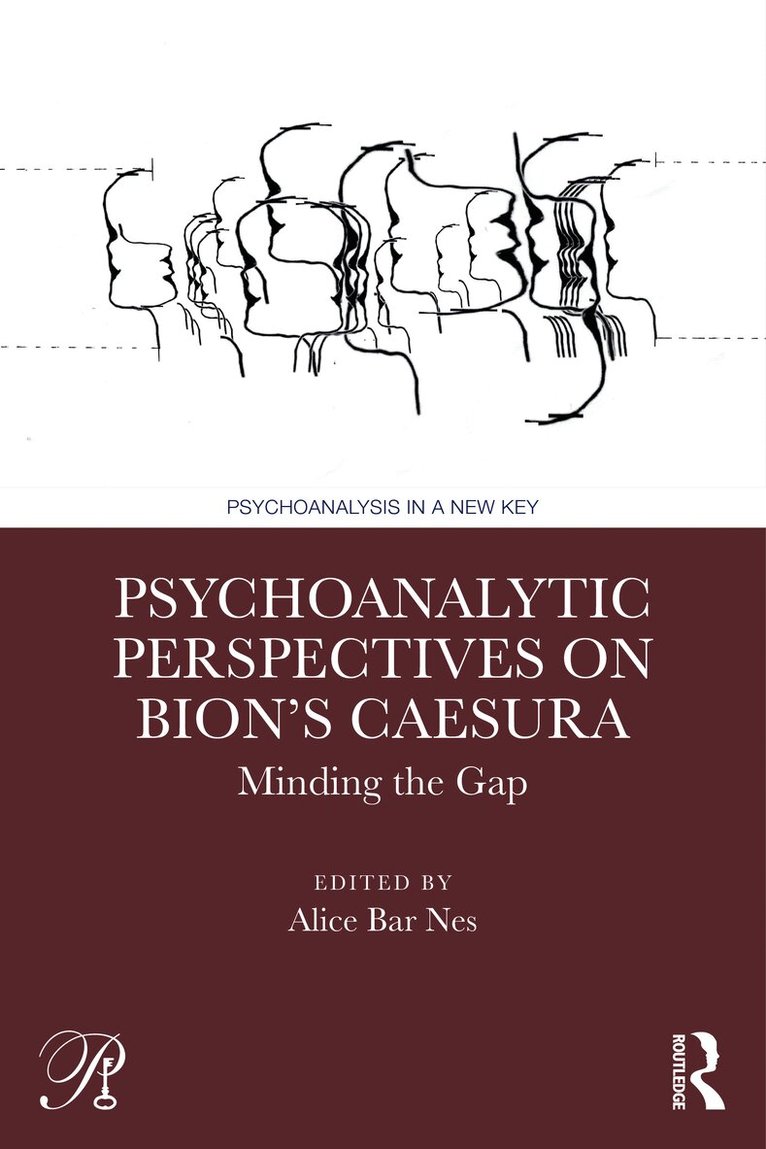
This book investigates Bion’s enigmatic concept of Caesura—the gap that connects in multiple realms of human existence. The authors respond to Bion's challenge for future analysts to explore its significance and bridge the theoretical limitations he identified in his generation’s understanding.The contributors of this volume honor Bion's legacy by expanding his notion of caesura, demonstrating its still-untapped potential for inspiring new thoughts and original perspectives on a variety of psychoanalytic concerns. Among other issues, they explore the caesuras of birth, trauma, the formation of thought, the question of truth, the connective tissue between body and psyche, the powerful linking force of myths, and the tension between the personal and the socio-political in the consulting room.This book is ideal for psychoanalysts, scholars, and students seeking to explore the impact of caesural thought across psychoanalytic schools and disciplines. It appeals to those interested in post-Bionian field theories, relational thought, and existential psychoanalysis. Those who wish to explore the caesura between psychoanalysis and other fields of study, such as philosophy, modern medical outlook and Kabbalah research will find in this book a fruitful interdisciplinary dialogue, and a creative tension between past traditions and contemporary paradigms.
2 218 kr
Kommande
This book investigates Bion’s enigmatic concept of Caesura—the gap that connects in multiple realms of human existence. The authors respond to Bion's challenge for future analysts to explore its significance and bridge the theoretical limitations he identified in his generation’s understanding.The contributors of this volume honor Bion's legacy by expanding his notion of caesura, demonstrating its still-untapped potential for inspiring new thoughts and original perspectives on a variety of psychoanalytic concerns. Among other issues, they explore the caesuras of birth, trauma, the formation of thought, the question of truth, the connective tissue between body and psyche, the powerful linking force of myths, and the tension between the personal and the socio-political in the consulting room.This book is ideal for psychoanalysts, scholars, and students seeking to explore the impact of caesural thought across psychoanalytic schools and disciplines. It appeals to those interested in post-Bionian field theories, relational thought, and existential psychoanalysis. Those who wish to explore the caesura between psychoanalysis and other fields of study, such as philosophy, modern medical outlook and Kabbalah research will find in this book a fruitful interdisciplinary dialogue, and a creative tension between past traditions and contemporary paradigms.