Alireza Bazargan – författare
Visar alla böcker från författaren Alireza Bazargan. Handla med fri frakt och snabb leverans.
3 produkter
3 produkter
1 822 kr
Skickas
This book aims to provide an overview of how photocatalysis can be employed in water and wastewater treatment. Each chapter will attend to a different area of interest, starting with an introduction on the fundamentals of photocatalysis. The covered topics include metal organic frameworks (MOFs), photocatalytic reactor types and configurations, landfill leachate treatment, and life cycle assessment (LCA) of solar photocatalytic wastewater treatment. In addition, the final two chapters provide fresh new insight, by analyzing international patents on photocatalytic materials, solar photocatalysis, and nanotechnology.
405 kr
Skickas inom 10-15 vardagar
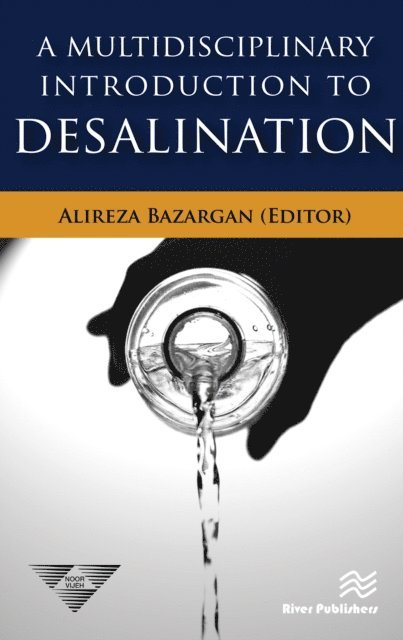
Although more than 70% of the globe is covered with water, only a small portion is suitable for direct human use, making the scarcity of freshwater one of our plant's most serious challenges. In this context "desalination", defined as "the removal of salt from water", is one of the possible solutions for overcoming our planet's municipal and industrial thirst. By drawing upon the authoritative expertise of a remarkable team of international authors, this book aims to provide an encompassing and "multidisciplinary" introduction to various aspects of desalination. The forte of this publication is that it does not overtly focus on a particular sub-topic of desalination, but rather addresses the topic as a whole. In other words, the unique assortment of reader-friendly chapters is designed to strike a delicate balance between the technical and non-technical. The book is divided into five general sections:The first section presents an overview of water scarcity, followed by a review of integrated water management and the alternatives to desalination. The fundamentals of desalination are provided, including simple water chemistry;The second section covers the conventional technologies of today, including thermal and membrane desalination processes. The topics of pre- and post- treatment are given due credit, as no desalination plant can operate without them;The third section reviews the history of how desalination technologies originated, including a review of today's R&D activities and cutting edge research. The processes and engineering applied for membrane manufacturing are also presented;Section four is concerned with energy and environmental issues, including the application of renewable and nuclear energy, minimization of energy usage and the water-energy-nexus, brine management, and environmental impacts;Finally, section five covers the social and commercial issues, ranging from rural desalination, to the politics of desalination. Desalination costs and feasibility are presented, as well as issues in business development and the future market prospects.Effectively, A Multidisciplinary Introduction to Desalination aims to be a holistic go-to-compendium for anyone seeking a balanced understanding of the various facets of desalination
927 kr
Skickas inom 10-15 vardagar
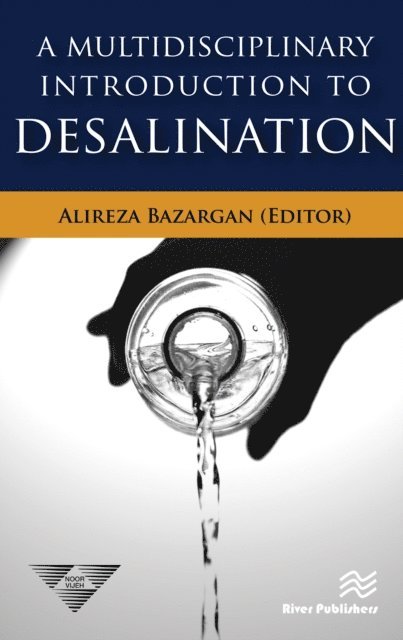
Although more than 70% of the globe is covered with water, only a small portion is suitable for direct human use, making the scarcity of freshwater one of our planet's most serious challenges. In this context, desalination, defined as "the separation of salts from water", is one of the possible solutions for appeasing our ever-increasing thirst.By drawing upon the expertise of a remarkable team of international authors, this book aims to provide a simple, encompassing, and "multidisciplinary" introduction to desalination. The particular forte of this publication is its inclusive yet straightforward nature. In other words, the unique assortment of reader-friendly chapters is designed to cover the topic of desalination as a whole, and strike a delicate balance between the technical and non-technical.To this end, the book is divided into five general sections:• The first section presents an overview of water scarcity, followed by a review of integrated water management and the alternatives to desalination. The fundamentals of desalination are also provided, including simple water chemistry;• The second section covers conventional desalination technologies, including thermal and membrane processes. The topics of pre- and post- treatment are given due credit, as all desalination plants are more or less reliant on them;• The third section reviews the history of how desalination technologies originated, including a review of today's R&D activities and cutting edge research. The topic of membrane manufacturing is also covered;• Section four is concerned with energy and environmental issues, including the application of renewable and nuclear energy, energy minimization, brine management, and environmental impacts;• Finally, section five covers the social and commercial issues, ranging from rural desalination to politics. Desalination costs and economic feasibility are discussed, as well as issues in business development and future market prospects.