Alistair Sutcliffe – författare
Visar alla böcker från författaren Alistair Sutcliffe. Handla med fri frakt och snabb leverans.
12 produkter
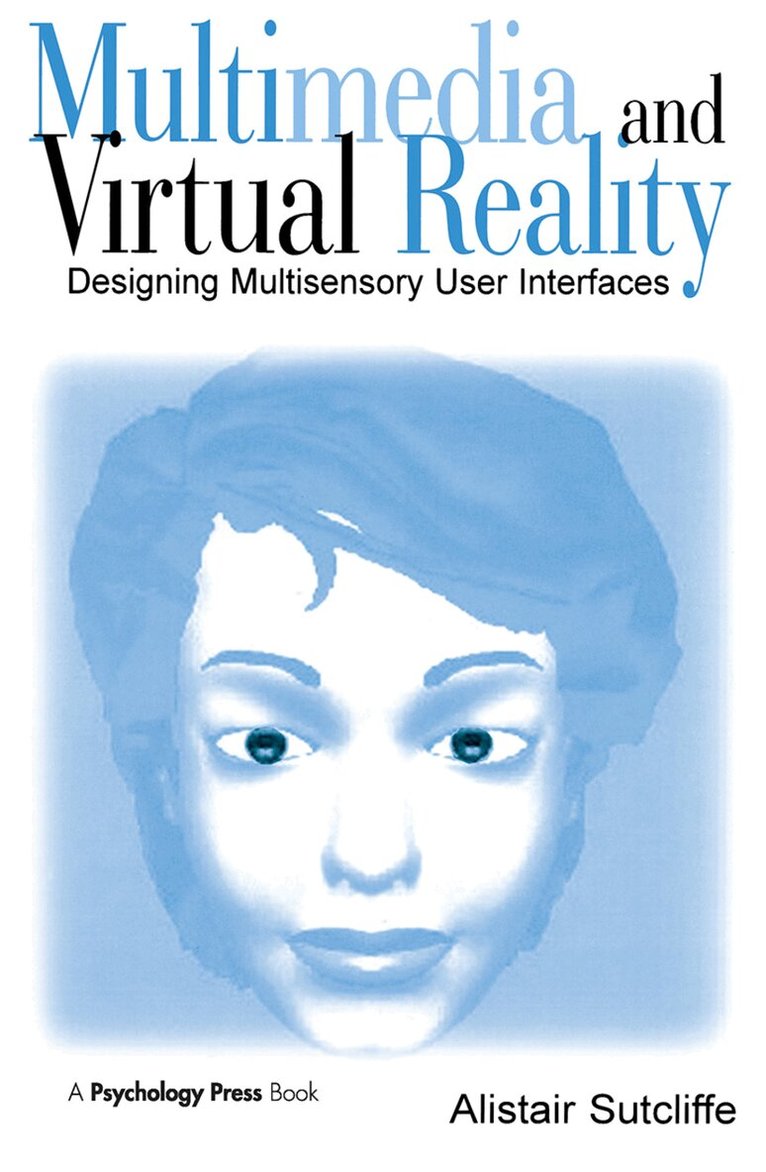
Multimedia and Virtual Reality
Designing Multisensory User Interfaces
Häftad, 2012
870 kr
Lägg i varukorg
This book is primarily a summary of research done over 10 years in multimedia and virtual reality, which fits within a wider interest of exploiting psychological theory to improve the process of designing interactive systems. The subject matter lies firmly within the field of HCI, with some …
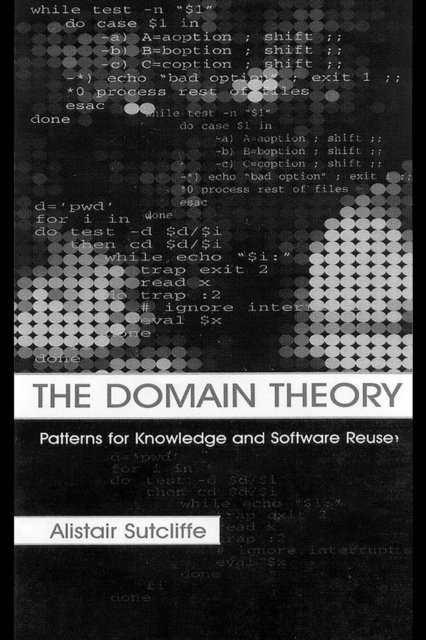
Domain Theory
Patterns for Knowledge and Software Reuse
Av A.G. Sutcliffe, Alistair Sutcliffe
E-bok, 2002
3245 kr
Lägg i varukorg
Is this book about patterns? Yes and no. It is about software reuse and representation of knowledge that can be reapplied in similar situations; however, it does not follow the classic Alexandine conventions of the patterns community--i.e. Problem- solution- forces- context- example, etc. Chapter 6 …
Multimedia and Virtual Reality
Designing Multisensory User Interfaces
E-bok, 2003
1027 kr
Lägg i varukorg
This book is primarily a summary of research done over 10 years in multimedia and virtual reality, which fits within a wider interest of exploiting psychological theory to improve the process of designing interactive systems. The subject matter lies firmly within the field of HCI, with some …
Multimedia and Virtual Reality
Designing Multisensory User Interfaces
E-bok, 2003
1004 kr
Lägg i varukorg
This book is primarily a summary of research done over 10 years in multimedia and virtual reality, which fits within a wider interest of exploiting psychological theory to improve the process of designing interactive systems. The subject matter lies firmly within the field of HCI, with some …
User-Centred Requirements Engineering
E-bok, 2012
755 kr
Lägg i varukorg
If you have picked up this book and are browsing the Preface, you may well be asking yourself"What makes this book different from the large number I can find on amazon. com?". Well, the answer is a blend of the academic and the practical, and views of the subject you won''t get from anybody else: …
User-Centred Requirements Engineering
Häftad, 2002
552 kr
Lägg i varukorg
If you have picked up this book and are browsing the Preface, you may well be asking yourself"What makes this book different from the large number I can find on amazon. com?". Well, the answer is a blend of the academic and the practical, and views of the subject you won't get from anybody else: …
Designing for User Engagement
Aesthetic and Attractive User Interfaces
Häftad, 2009
231 kr
Lägg i varukorg
This book explores the design process for user experience and engagement, which expands the traditional concept of usability and utility in design to include aesthetics, fun and excitement. User experience has evolved as a new area of Human Computer Interaction research, motivated by non-work …
Designing for User Engagement
Aesthetic and Attractive User Interfaces
E-bok, 2022
296 kr
Lägg i varukorg
This book explores the design process for user experience and engagement, which expands the traditional concept of usability and utility in design to include aesthetics, fun and excitement. User experience has evolved as a new area of Human Computer Interaction research, motivated by non-work …
Domain Theory
Patterns for Knowledge and Software Reuse
Av Alistair Sutcliffe, A.G. Sutcliffe
Inbunden, 2002
1774 kr
Tillfälligt slut
Is this book about patterns? Yes and no. It is about software reuse and representation of knowledge that can be reapplied in similar situations; however, it does not follow the classic Alexandine conventions of the patterns community--i.e. Problem- solution- forces- context- example, etc. Chapter 6 …
Domain Theory
Patterns for Knowledge and Software Reuse
Av A.G. Sutcliffe, Alistair Sutcliffe
E-bok, 2002
1053 kr
Tillfälligt slut
Is this book about patterns? Yes and no. It is about software reuse and representation of knowledge that can be reapplied in similar situations; however, it does not follow the classic Alexandine conventions of the patterns community--i.e. Problem- solution- forces- context- example, etc. Chapter 6 …
Multimedia and Virtual Reality : Designing Usable Multisensory User Interfaces
Designing Usable Multisensory User Interfaces
E-bok, 2004
601 kr
Tillfälligt slut