Amir Weiner – författare
Visar alla böcker från författaren Amir Weiner. Handla med fri frakt och snabb leverans.
6 produkter
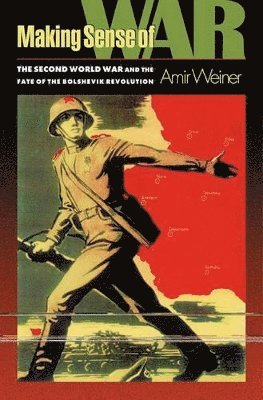
Making Sense of War
The Second World War and the Fate of the Bolshevik Revolution
Av Amir Weiner
Häftad, 2002
591 kr
Lägg i varukorg
In Making Sense of War, Amir Weiner reconceptualizes the entire historical experience of the Soviet Union from a new perspective, that of World War II. Breaking with the conventional interpretation that views World War II as a post-revolutionary addendum, Weiner situates this event at the crux of …
Landscaping the Human Garden
Twentieth-Century Population Management in a Comparative Framework
Av Amir Weiner
Inbunden, 2003
2102 kr
Lägg i varukorg
For centuries, human perfection has been a powerful goal, but only in the twentieth century were national states able to achieve the capacity to impose radical change on entire societies in the name of rooting out imperfections. The contributions to this volume constitute an ambitious attempt to …
Landscaping the Human Garden
Twentieth-Century Population Management in a Comparative Framework
Av Amir Weiner
Häftad, 2003
512 kr
Lägg i varukorg
For centuries, human perfection has been a powerful goal, but only in the twentieth century were national states able to achieve the capacity to impose radical change on entire societies in the name of rooting out imperfections. The contributions to this volume constitute an ambitious attempt to …
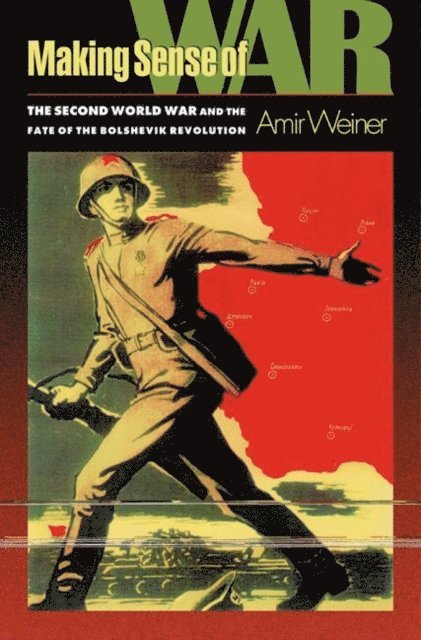
Making Sense of War
The Second World War and the Fate of the Bolshevik Revolution
Av Amir Weiner
E-bok, 2012
808 kr
Lägg i varukorg
In Making Sense of War, Amir Weiner reconceptualizes the entire historical experience of the Soviet Union from a new perspective, that of World War II. Breaking with the conventional interpretation that views World War II as a post-revolutionary addendum, Weiner situates this event at the crux of …
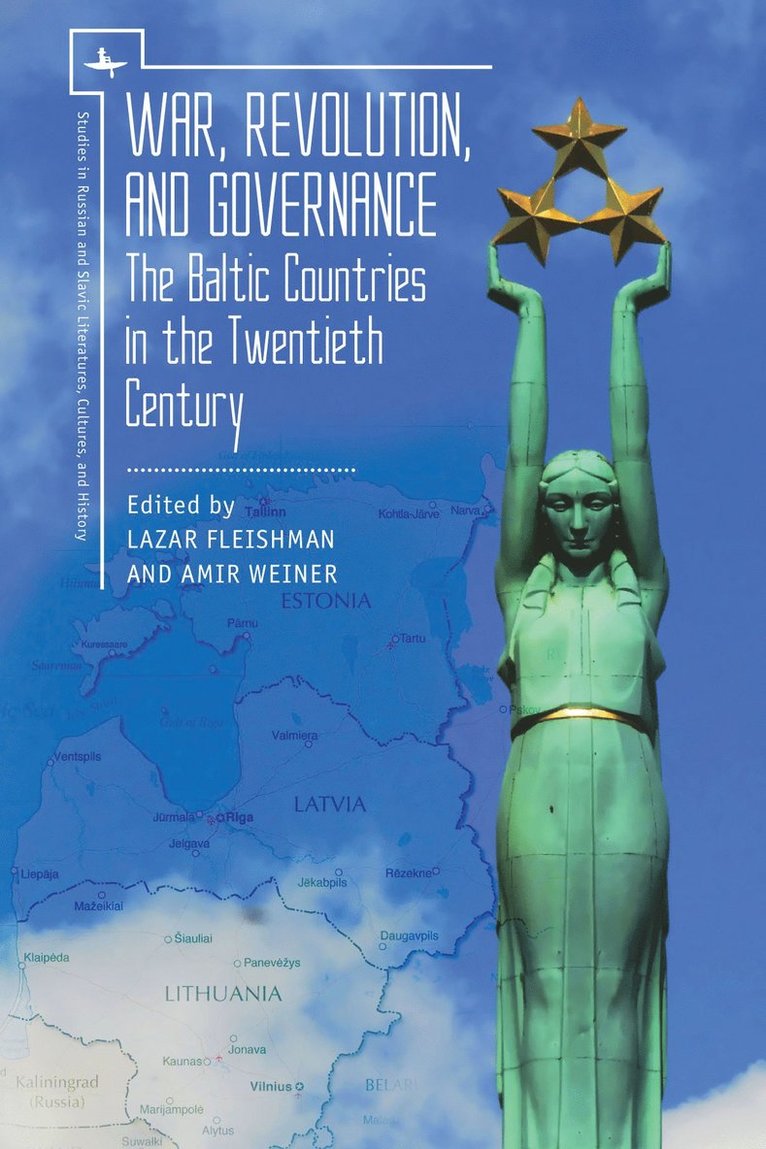
War, Revolution, and Governance
The Baltic Countries in the Twentieth Century
Av Lazar Fleishman, Amir Weiner
Inbunden, 2018
1526 kr
Lägg i varukorg
The 20th century in the Baltic region had it all. The turbulent century did not spare the small territory and its population, which was visited by practically every calamity the modern era had to offer. At westward edge of the Russian Empire, the region was subjected to the harsh Russification …
War, Revolution, and Governance
The Baltic Countries in the Twentieth Century
Av Amir Weiner, Lazar Fleishman
E-bok, 2018
3210 kr
Lägg i varukorg
The 20th century in the Baltic region had it all. The turbulent century did not spare the small territory and its population, which was visited by practically every calamity the modern era had to offer. At westward edge of the Russian Empire, the region was subjected to the harsh Russification …