Amita Baviskar - Böcker
Visar alla böcker från författaren Amita Baviskar. Handla med fri frakt och snabb leverans.
5 produkter
5 produkter
2 088 kr
Skickas inom 10-15 vardagar
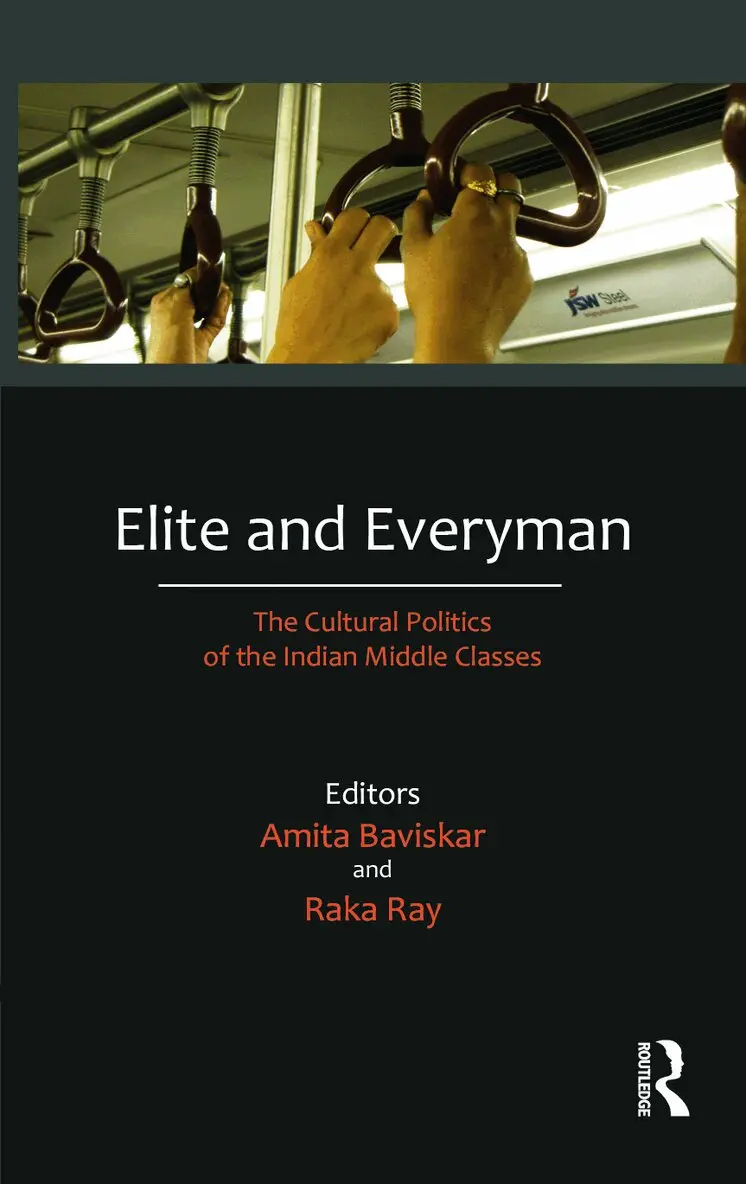
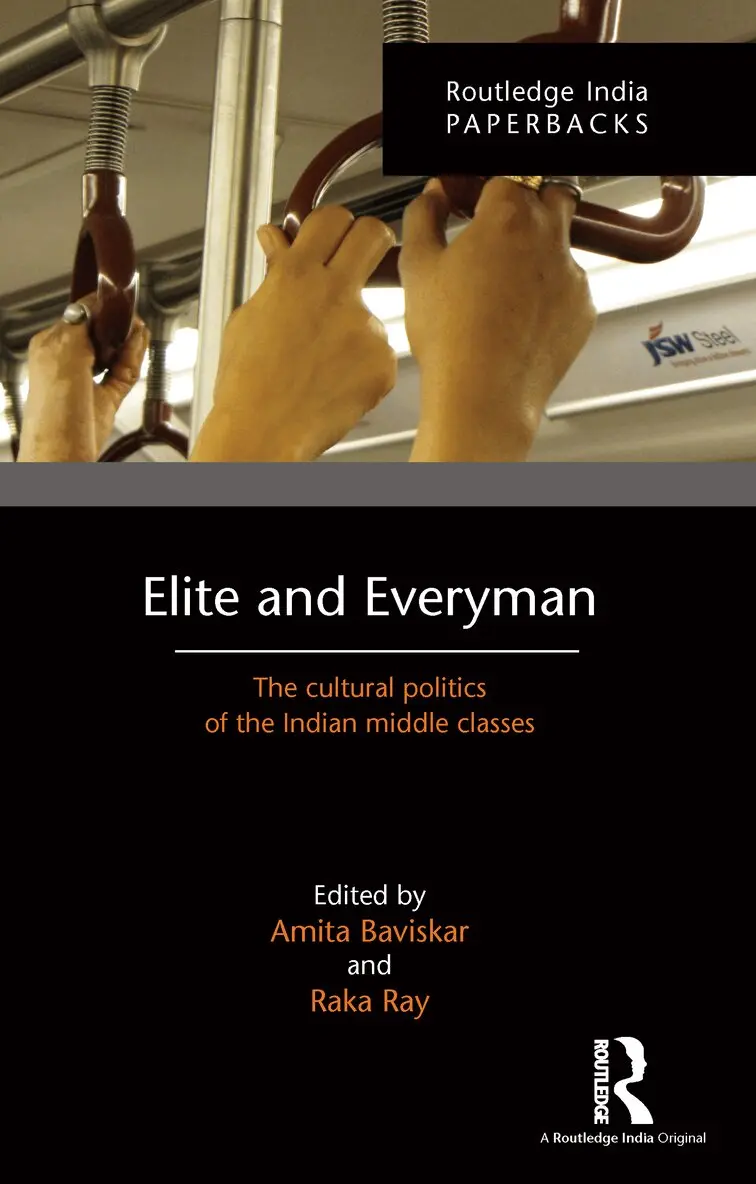
This book examines the middle classes — who they are and what they do — and their influence in shaping contemporary cultural politics in India. Describing the historical emergence of these classes, from the colonial period to contemporary times, it shows how the middle classes have changed, with older groups shifting out and new entrants taking place, thereby transforming the character and meanings of the category. The essays in this volume observe multiple sites of social action (workplaces and homes, schools and streets, cinema and sex surveys, temples and tourist hotels) to delineate the lives of the middle classes and show how middle-class definitions and desires articulate hegemonic notions of the normal and the normative.
2 088 kr
Skickas inom 10-15 vardagar
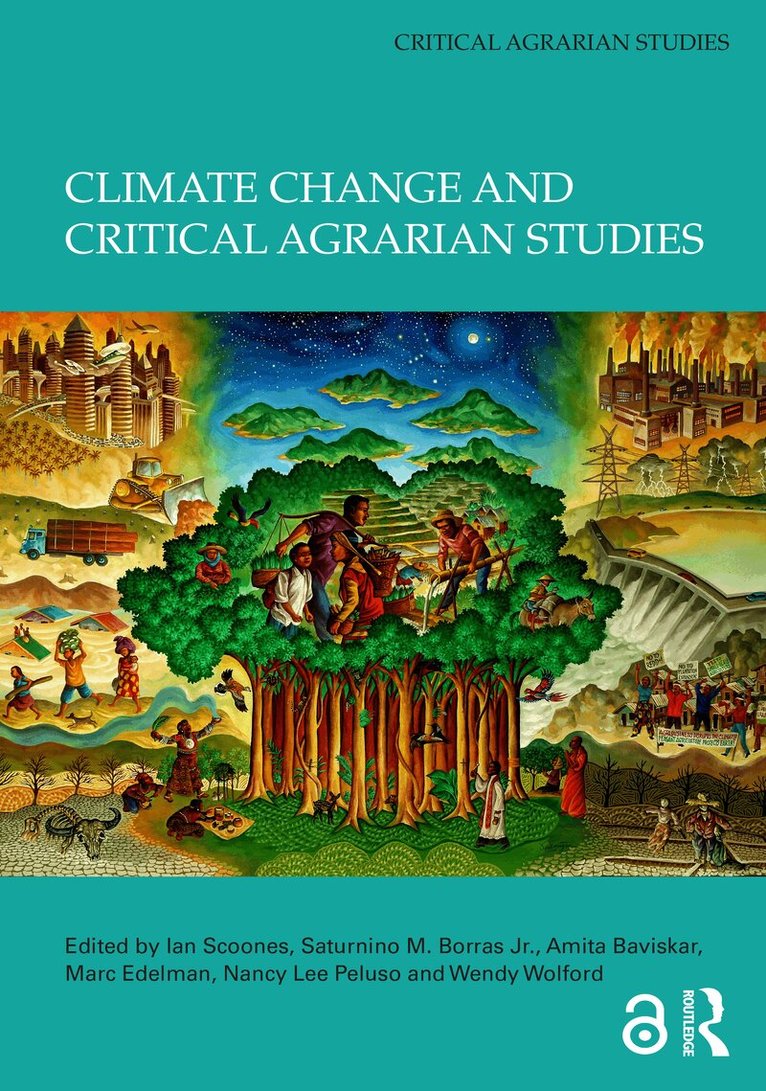
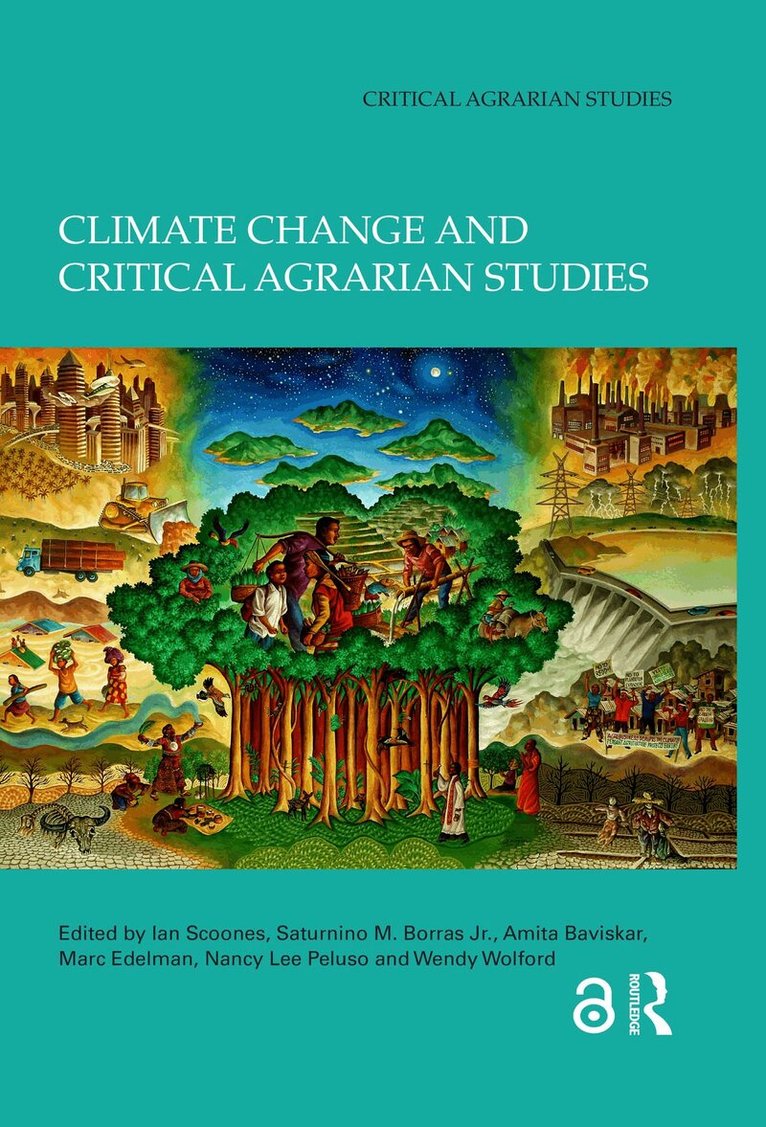
Climate change is perhaps the greatest threat to humanity today and plays out as a cruel engine of myriad forms of injustice, violence and destruction. The effects of climate change from human-made emissions of greenhouse gases are devastating and accelerating; yet are uncertain and uneven both in terms of geography and socio-economic impacts. Emerging from the dynamics of capitalism since the industrial revolution — as well as industrialisation under state-led socialism — the consequences of climate change are especially profound for the countryside and its inhabitants.The book interrogates the narratives and strategies that frame climate change and examines the institutionalised responses in agrarian settings, highlighting what exclusions and inclusions result. It explores how different people — in relation to class and other co-constituted axes of social difference such as gender, race, ethnicity, age and occupation — are affected by climate change, as well as the climate adaptation and mitigation responses being implemented in rural areas. The book in turn explores how climate change – and the responses to it - affect processes of social differentiation, trajectories of accumulation and in turn agrarian politics. Finally, the book examines what strategies are required to confront climate change, and the underlying political-economic dynamics that cause it, reflecting on what this means for agrarian struggles across the world.The 26 chapters in this volume explore how the relationship between capitalism and climate change plays out in the rural world and, in particular, the way agrarian struggles connect with the huge challenge of climate change. Through a huge variety of case studies alongside more conceptual chapters, the book makes the often-missing connection between climate change and critical agrarian studies. The book argues that making the connection between climate and agrarian justice is crucial.The chapters in this book were originally published in The Journal of Peasant Studies.The Open Access version of this book, available at https://www.taylorfrancis.com/books/oa-edit/10.4324/9781003467960/climate-change-critical-agrarian-studies-ian-scoones-saturnino-borras-jr-amita-baviskar-marc-edelman-nancy-lee-peluso-wendy-wolford, has been made available under a Creative Commons [Attribution-Non Commercial-No Derivatives (CC-BY-NC-ND)] 4.0 license. A version of the open access title is also available on the OAPEN platform https://library.oapen.org/handle/20.500.12657/85297 .
631 kr
Skickas inom 10-15 vardagar
Climate change is perhaps the greatest threat to humanity today and plays out as a cruel engine of myriad forms of injustice, violence and destruction. The effects of climate change from human-made emissions of greenhouse gases are devastating and accelerating; yet are uncertain and uneven both in terms of geography and socio-economic impacts. Emerging from the dynamics of capitalism since the industrial revolution — as well as industrialisation under state-led socialism — the consequences of climate change are especially profound for the countryside and its inhabitants.The book interrogates the narratives and strategies that frame climate change and examines the institutionalised responses in agrarian settings, highlighting what exclusions and inclusions result. It explores how different people — in relation to class and other co-constituted axes of social difference such as gender, race, ethnicity, age and occupation — are affected by climate change, as well as the climate adaptation and mitigation responses being implemented in rural areas. The book in turn explores how climate change – and the responses to it - affect processes of social differentiation, trajectories of accumulation and in turn agrarian politics. Finally, the book examines what strategies are required to confront climate change, and the underlying political-economic dynamics that cause it, reflecting on what this means for agrarian struggles across the world.The 26 chapters in this volume explore how the relationship between capitalism and climate change plays out in the rural world and, in particular, the way agrarian struggles connect with the huge challenge of climate change. Through a huge variety of case studies alongside more conceptual chapters, the book makes the often-missing connection between climate change and critical agrarian studies. The book argues that making the connection between climate and agrarian justice is crucial.The chapters in this book were originally published in The Journal of Peasant Studies.The Open Access version of this book, available at https://www.taylorfrancis.com/books/oa-edit/10.4324/9781003467960/climate-change-critical-agrarian-studies-ian-scoones-saturnino-borras-jr-amita-baviskar-marc-edelman-nancy-lee-peluso-wendy-wolford, has been made available under a Creative Commons [Attribution-Non Commercial-No Derivatives (CC-BY-NC-ND)] 4.0 license. A version of the open access title is also available on the OAPEN platform https://library.oapen.org/handle/20.500.12657/85297 .
617 kr
Skickas inom 10-15 vardagar
This book examines the middle classes — who they are and what they do — and their influence in shaping contemporary cultural politics in India. Describing the historical emergence of these classes, from the colonial period to contemporary times, it shows how the middle classes have changed, with older groups shifting out and new entrants taking place, thereby transforming the character and meanings of the category. The essays in this volume observe multiple sites of social action (workplaces and homes, schools and streets, cinema and sex surveys, temples and tourist hotels) to delineate the lives of the middle classes and show how middle-class definitions and desires articulate hegemonic notions of the normal and the normative.
183 kr
Skickas inom 5-8 vardagar