Amy Nelson Burnett – författare
Visar alla böcker från författaren Amy Nelson Burnett. Handla med fri frakt och snabb leverans.
15 produkter
15 produkter
E-bok
Engelska, 20061 495 kr
Läs direkt efter köp
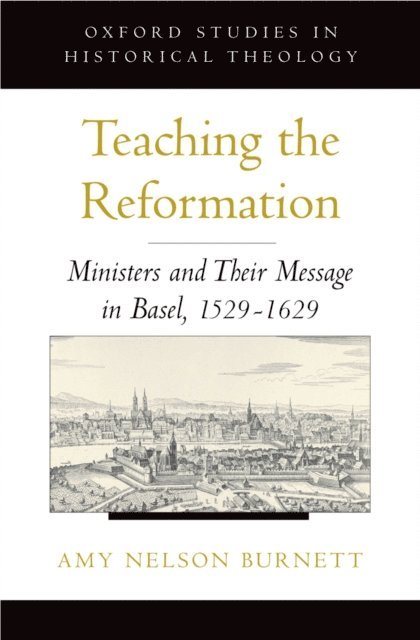
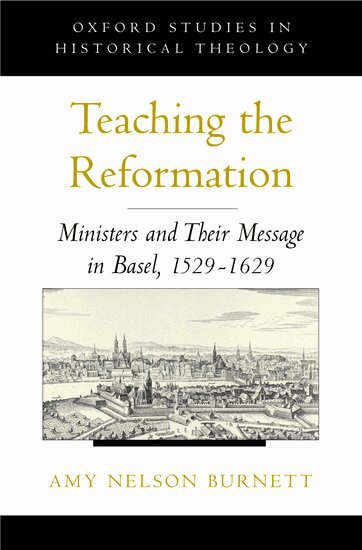
Though the Reformation was sparked by the actions of Martn Luther, it was not a decisive break from the Church in Rome but rather a gradual process of religious and social change. As the men responsible for religious instruction and moral oversight at the village level, parish pastors played a key role in the implementation of the Reformation and the gradual development of a Protestant religious culture, but their ministry has seldom been examined in the light of how they were prepared for the pastorate. Teaching the Reformation examines the four generations of Reformed pastors who served the church of Basel in the century after the Reformation, focusing on the evolution of pastoral training and Reformed theology, the theory and practice of preaching, and the performance of pastoral care in both urban and rural parishes. It looks at how these pastors were educated and what they learned, examining not only the study of theology but also the general education in languages, rhetoric and dialectic that future pastors received at the citys Latin school and in the arts faculty of the university. It points to significant changes over time in the content of that education, which in turn separated Basels pastors into distinct generations. The study also looks more specifically at preaching in Basel, demonstrating how the evolution of dialectic and rhetoric instruction, and particularly the spread of Ramism, led to changes in both exegetical method and homiletics. These developments, combined with the gradual elaboration of Reformed theology, resulted in a distinctive style of Reformed Orthodox preaching in Basel. The development of pastoral education also had a direct impact on how Basels clergy carried out their other dutiescatechization, administering the sacraments, counseling the dying and consoling the bereaved, and overseeing the moral conduct of their parishioners. The growing professionalization of the clergy, the result of more intensive education and more stringent supervision, contributed to the gradual implantation of a Reformed religious culture in Basel.
E-bok
Engelska, 20111 228 kr
Läs direkt efter köp
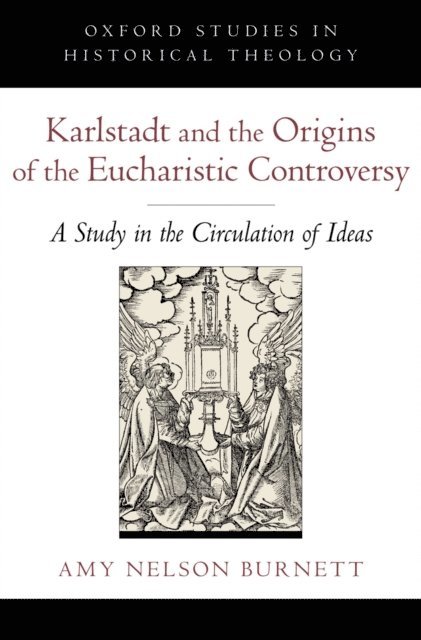
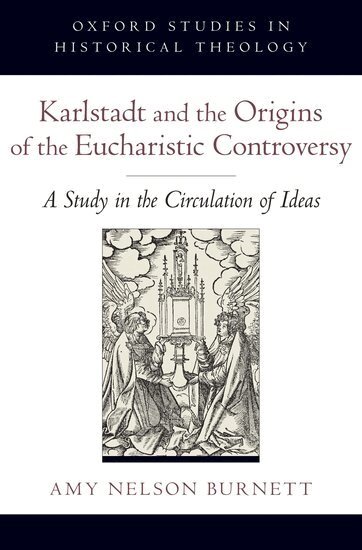
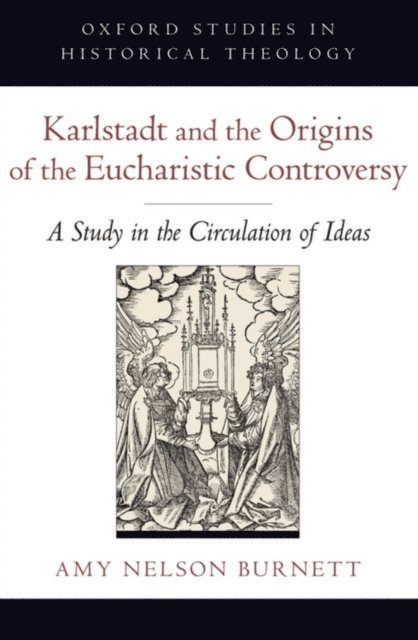
The debate over the Lord''s Supper had momentous consequences for the Reformation, causing the division of the evangelical movement, influencing the formation of political alliances, and contributing to cultural differences among the Protestant territories of Germany and Switzerland. Karlstadt and the Origins of the Eucharistic Controversy is the first full-length study of the beginning of that debate. Going beyond the traditional focus on Martin Luther and Ulrich Zwingli, it emphasizes the diversity of the "sacramentarian" challenge to traditional belief in Christ''s corporeal presence in the bread and wine of the Eucharist, and it re-evaluates the significance of Luther''s colleague, Andreas Bodenstein von Karlstadt, for the debate. Burnett describes Luther''s earliest criticisms of the mass and the efforts in Wittenberg to reform liturgical praxis to correspond with his ideas. She then looks at pamphlets written by other reformers to show how Luther''s understanding of the sacrament was adapted and modified outside of Wittenberg. Ultimately, Burnett shows how Karlstadt''s eucharistic pamphlets introduced into the public debate arguments that would become standard Reformed criticisms of the Lutheran position. The book also demonstrates the influence not only of Erasmus but also of John Wyclif and the Hussites for discussions of the sacrament, highlights the role of the reformers of Basel and Strasbourg for developing the "Zwinglian" understanding of the Lord''s Supper, and draws attention to the early eucharistic theology of the Silesians Kaspar Schwenckfeld and Valentin Krautwald. This book will be an indispensable guide for readers seeking to understand the issues surrounding the outbreak of the eucharistic controversy in the sixteenth century.
Inbunden, Engelska, 2019
1 350 kr
Skickas inom 5-8 vardagar
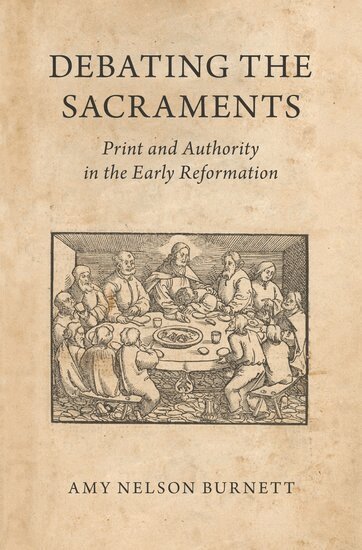
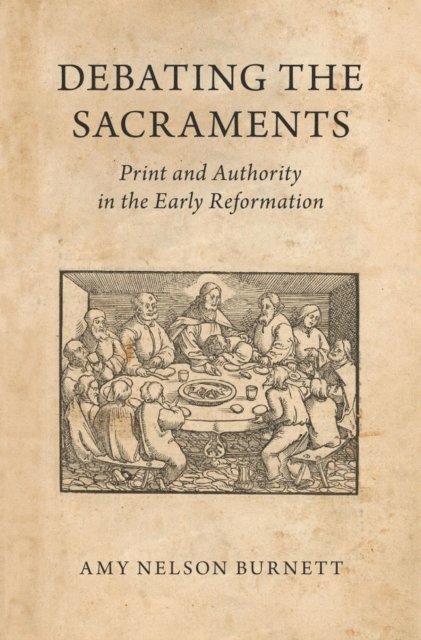
In Debating the Sacraments, Amy Nelson Burnett brings together the foundational disputes regarding the baptism and the Lord's Supper that laid the groundwork for the development of two Protestant traditions-Lutheran and Reformed-as well as of dissenting Anabaptist movements. Burnett places these disputes in the context of early print culture, tracing their development in a range of publications and their impact on the wider public. Burnett examines not only the writings of the major reformers, but also the reception of their ideas in the pamphlets of lesser known figures, as well as the role of translators, editors, and printers in exacerbating the conflict among both literate and illiterate audiences. Following the chronological unfolding of the debates, Burnett observes how specific arguments were formed in the crucible of written critique and pierces several myths that have governed our understanding of the sacramental controversies. She traces the influence of Erasmus on Luther's followers outside of Wittenberg and highlights the critical question of authority, particularly in interpreting the Bible. Erasmus and Luther disagreed not only about the relationship between the material world and spiritual reality but also on biblical hermeneutics and scriptural exegesis. Their disagreements underlay the public debates over baptism and the Lord's Supper that broke out in 1525 and divided the evangelical movement. Erasmus's position would be reflected not only in the views of Huldrych Zwingli and others who shared his orientation toward the sacraments but also in the developing theologies of the Anabaptist movement of the 1520s. The neglected period of 1525-1529 emerges as a crucial phase of the early Reformation, when evangelical theologies were still developing, and which paved the way for the codification of theological differences in church ordinances, catechisms, and confessions of subsequent decades.
E-bok
PDF, Engelska, 20181 443 kr
Läs direkt efter köp
In Debating the Sacraments, Amy Nelson Burnett brings together the foundational disputes regarding the baptism and the Lord''s Supper that laid the groundwork for the development of two Protestant traditions-Lutheran and Reformed-as well as of dissenting Anabaptist movements. Burnett places these disputes in the context of early print culture, tracing their development in a range of publications and their impact on the wider public. Burnett examines not only the writings of the major reformers, but also the reception of their ideas in the pamphlets of lesser known figures, as well as the role of translators, editors, and printers in exacerbating the conflict among both literate and illiterate audiences.Following the chronological unfolding of the debates, Burnett observes how specific arguments were formed in the crucible of written critique and pierces several myths that have governed our understanding of the sacramental controversies. She traces the influence of Erasmus on Luther''s followers outside of Wittenberg and highlights the critical question of authority, particularly in interpreting the Bible. Erasmus and Luther disagreed not only about the relationship between the material world and spiritual reality but also on biblical hermeneutics and scriptural exegesis. Their disagreements underlay the public debates over baptism and the Lord''s Supper that broke out in 1525 and divided the evangelical movement. Erasmus''s position would be reflected not only in the views of Ulrich Zwingli and others who shared his orientation toward the sacraments but also in the developing theologies of the Anabaptist movement of the 1520s.The neglected period of 1525-1529 emerges as a crucial phase of the early Reformation, when evangelical theologies were still developing, and which paved the way for the codification of theological differences in church ordinances, catechisms, and confessions of subsequent decades.
E-bok
Engelska, 20181 495 kr
Läs direkt efter köp
In Debating the Sacraments, Amy Nelson Burnett brings together the foundational disputes regarding the baptism and the Lord''s Supper that laid the groundwork for the development of two Protestant traditions-Lutheran and Reformed-as well as of dissenting Anabaptist movements. Burnett places these disputes in the context of early print culture, tracing their development in a range of publications and their impact on the wider public. Burnett examines not only the writings of the major reformers, but also the reception of their ideas in the pamphlets of lesser known figures, as well as the role of translators, editors, and printers in exacerbating the conflict among both literate and illiterate audiences.Following the chronological unfolding of the debates, Burnett observes how specific arguments were formed in the crucible of written critique and pierces several myths that have governed our understanding of the sacramental controversies. She traces the influence of Erasmus on Luther''s followers outside of Wittenberg and highlights the critical question of authority, particularly in interpreting the Bible. Erasmus and Luther disagreed not only about the relationship between the material world and spiritual reality but also on biblical hermeneutics and scriptural exegesis. Their disagreements underlay the public debates over baptism and the Lord''s Supper that broke out in 1525 and divided the evangelical movement. Erasmus''s position would be reflected not only in the views of Ulrich Zwingli and others who shared his orientation toward the sacraments but also in the developing theologies of the Anabaptist movement of the 1520s.The neglected period of 1525-1529 emerges as a crucial phase of the early Reformation, when evangelical theologies were still developing, and which paved the way for the codification of theological differences in church ordinances, catechisms, and confessions of subsequent decades.
Inbunden, Engelska, 2006
1 795 kr
Skickas inom 5-8 vardagar
Though the Reformation was sparked by the actions of Martin Luther, it was not a decisive break from the Church in Rome but rather a gradual process of religious and social change. As the men responsible for religious instruction and moral oversight at the village level, parish pastors played a key role in the implementation of the Reformation and the gradual development of a Protestant religious culture, but their ministry has seldom been examined in the light of how they were prepared for the pastorate. Teaching the Reformation examines the four generations of Reformed pastors who served the church of Basel in the century after the Reformation, focusing on the evolution of pastoral training and Reformed theology, the theory and practice of preaching, and the performance of pastoral care in both urban and rural parishes. It looks at how these pastors were educated and what they learned, examining not only the study of theology but also the general education in languages, rhetoric and dialectic that future pastors received at the citys Latin school and in the arts faculty of the university. It points to significant changes over time in the content of that education, which in turn separated Basels pastors into distinct generations. The study also looks more specifically at preaching in Basel, demonstrating how the evolution of dialectic and rhetoric instruction, and particularly the spread of Ramism, led to changes in both exegetical method and homiletics. These developments, combined with the gradual elaboration of Reformed theology, resulted in a distinctive style of Reformed Orthodox preaching in Basel. The development of pastoral education also had a direct impact on how Basels clergy carried out their other dutiescatechization, administering the sacraments, counseling the dying and consoling the bereaved, and overseeing the moral conduct of their parishioners. The growing professionalization of the clergy, the result of more intensive education and more stringent supervision, contributed to the gradual implantation of a Reformed religious culture in Basel.
E-bok
PDF, Engelska, 20061 495 kr
Läs direkt efter köp
Though the Reformation was sparked by the actions of Martn Luther, it was not a decisive break from the Church in Rome but rather a gradual process of religious and social change. As the men responsible for religious instruction and moral oversight at the village level, parish pastors played a key role in the implementation of the Reformation and the gradual development of a Protestant religious culture, but their ministry has seldom been examined in the light of how they were prepared for the pastorate. Teaching the Reformation examines the four generations of Reformed pastors who served the church of Basel in the century after the Reformation, focusing on the evolution of pastoral training and Reformed theology, the theory and practice of preaching, and the performance of pastoral care in both urban and rural parishes. It looks at how these pastors were educated and what they learned, examining not only the study of theology but also the general education in languages, rhetoric and dialectic that future pastors received at the citys Latin school and in the arts faculty of the university. It points to significant changes over time in the content of that education, which in turn separated Basels pastors into distinct generations. The study also looks more specifically at preaching in Basel, demonstrating how the evolution of dialectic and rhetoric instruction, and particularly the spread of Ramism, led to changes in both exegetical method and homiletics. These developments, combined with the gradual elaboration of Reformed theology, resulted in a distinctive style of Reformed Orthodox preaching in Basel. The development of pastoral education also had a direct impact on how Basels clergy carried out their other dutiescatechization, administering the sacraments, counseling the dying and consoling the bereaved, and overseeing the moral conduct of their parishioners. The growing professionalization of the clergy, the result of more intensive education and more stringent supervision, contributed to the gradual implantation of a Reformed religious culture in Basel.
Inbunden, Engelska, 2011
1 234 kr
Skickas inom 5-8 vardagar
The debate over the Lord's Supper had momentous consequences for the Reformation, causing the division of the evangelical movement, influencing the formation of political alliances, and contributing to cultural differences among the Protestant territories of Germany and Switzerland. Karlstadt and the Origins of the Eucharistic Controversy is the first full-length study of the beginning of that debate. Going beyond the traditional focus on Martin Luther and Ulrich Zwingli, it emphasizes the diversity of the "sacramentarian" challenge to traditional belief in Christ's corporeal presence and re-evaluates the significance of Luther's colleague, Andreas Bodenstein von Karlstadt, to the debate. The book describes Luther's earliest criticisms of the mass and the efforts in Wittenberg to reform liturgical praxis to correspond with his ideas. It then looks at pamphlets written by other reformers to show how Luther's understanding of the sacrament was adapted and modified outside of Wittenberg. It shows how Karlstadt's eucharistic pamphlets introduced into the public debate several arguments that would become standard Reformed criticisms of the Lutheran position. The book also demonstrates the influence not only of Erasmus but also of John Wyclif and the Hussites for discussions of the sacrament, highlights the role of the reformers of Basel and Strasbourg for developing the "Zwinglian" understanding of the Lord's Supper, and draws attention to the early eucharistic theology of the Silesians Kaspar Schwenckfeld and Valentin Krautwald. The book will become an indispensable guide for readers seeking to understand the issues surrounding the outbreak of the eucharistic controversy in the sixteenth century.
E-bok
PDF, Engelska, 20111 228 kr
Läs direkt efter köp
The debate over the Lord''s Supper had momentous consequences for the Reformation, causing the division of the evangelical movement, influencing the formation of political alliances, and contributing to cultural differences among the Protestant territories of Germany and Switzerland. Karlstadt and the Origins of the Eucharistic Controversy is the first full-length study of the beginning of that debate. Going beyond the traditional focus on Martin Luther and Ulrich Zwingli, it emphasizes the diversity of the "sacramentarian" challenge to traditional belief in Christ''s corporeal presence in the bread and wine of the Eucharist, and it re-evaluates the significance of Luther''s colleague, Andreas Bodenstein von Karlstadt, for the debate. Burnett describes Luther''s earliest criticisms of the mass and the efforts in Wittenberg to reform liturgical praxis to correspond with his ideas. She then looks at pamphlets written by other reformers to show how Luther''s understanding of the sacrament was adapted and modified outside of Wittenberg. Ultimately, Burnett shows how Karlstadt''s eucharistic pamphlets introduced into the public debate arguments that would become standard Reformed criticisms of the Lutheran position. The book also demonstrates the influence not only of Erasmus but also of John Wyclif and the Hussites for discussions of the sacrament, highlights the role of the reformers of Basel and Strasbourg for developing the "Zwinglian" understanding of the Lord''s Supper, and draws attention to the early eucharistic theology of the Silesians Kaspar Schwenckfeld and Valentin Krautwald. This book will be an indispensable guide for readers seeking to understand the issues surrounding the outbreak of the eucharistic controversy in the sixteenth century.
Del 67 - JB - Anker
Making Teaching and Learning Visible
Course Portfolios and the Peer Review of Teaching
Inbunden, Engelska, 2007
407 kr
Skickas inom 5-8 vardagar
With higher education’s refocus over the last three decades on bringing greater recognition and reward to good teaching, the idea of peer review has gained popularity. One tool for documenting and reflecting on the quality of teaching and student learning is a course portfolio. A course portfolio captures and makes visible the careful, difficult, and intentional scholarly work of planning and teaching a course. Illustrated through examples of course portfolios created during a four-year project on peer review of teaching, this book demonstrates how faculty can integrate well-designed peer review into their daily professional lives, thus improving their teaching by incorporating a means for assessment and collaboration and revealing the student learning that happens with effective teaching within an institutional reward systems.This book offers a model of peer review intended to help faculty document, assess, reflect on, and improve teaching and student learning through the use of a course portfolio. It features a rich collection of materials—including four dozen exhibits to help assemble a portfolio, reviewers’ comments, and reflections drawn from more than 200 professors and portfolio authors in various disciplines and institutions—that faculty can use to develop their course portfolios to be used in their peer review of teaching.
Del 109 - JB - Anker
Inquiry into the College Classroom
A Journey Toward Scholarly Teaching
Häftad, Engelska, 2007
445 kr
Skickas inom 5-8 vardagar
An essential companion for university faculty interested in conducting scholarly inquiry into their classroom teaching, this practical guide presents a formal model for making visible the careful, difficult, and intentional scholarly work entailed in exploring a teaching question. As a how-to guide, this is an invaluable resource for planning and conducting classroom research—formulating questions and hypotheses, defining a data collection methodology, collecting data, measuring the impact, and documenting the results.Inquiry Into the College Classroom is filled with richly illustrative examples that highlight how university faculty from a range of academic disciplines have performed scholarly inquiries into their teaching and leads faculty on a journey that includes: Developing a formal model for structuring the exploration of a classroom inquiry questionProviding a practical and useful guide for faculty interested in exploring teaching and learning challengesDetailing faculty experiences in measuring specific changes in student learning or perspectivesDemonstrating how to document classroom inquiry in a form to be shared, used, and reviewed by other facultySharing useful and practical suggestions forgetting started with a classroom inquiryHighlighting different models for disseminating classroom inquiry workLinking classroom inquiry to larger conversations about the scholarship of teaching and learning
Inbunden, Engelska, 2026
2 498 kr
Kommande
Amy Nelson Burnett untersucht in diesem Band die Genese frühreformierter Theologie und die Ausbildung konfessioneller Identität innerhalb der Alten Eidgenossenschaft aus zwei komplementären Perspektiven. Die Aufsätze des ersten Teils widmen sich der Abendmahlsdebatte der 1520er Jahre, die die evangelische Bewegung tiefgreifend spaltete und den Weg zur Ausbildung der lutherischen und reformierten Konfessionen ebnete. Im Mittelpunkt stehen sowohl die verschiedenen Akteure dieser Auseinandersetzung als auch die zugrunde liegenden Fragen nach der maßgeblichen Schriftauslegung und der Bedeutung patristischer Autoritäten. Im zweiten Teil wird der Blick auf die Reformation in Basel gerichtet: von der offiziellen Abkehr von der päpstlichen Kirche im Jahr 1529 bis zum Sieg der reformierten Orthodoxie am Ende des 16. Jahrhunderts. Besondere Aufmerksamkeit gilt den theologischen Impulsen von Johannes Oekolampad und Martin Bucer, die exemplarisch für die Vielfalt der frühen reformierten Bewegung stehen. Amy Nelson Burnett macht deutlich, dass die Ausbildung reformierter Theologie nicht allein in Zürich oder Genf stattfand, sondern von einem weit verzweigten intellektuellen Netzwerk getragen wurde.
Inbunden, Tyska
1 081 kr
Skickas inom 3-6 vardagar
E-bok
PDF, Tyska, 2017903 kr
Läs direkt efter köp
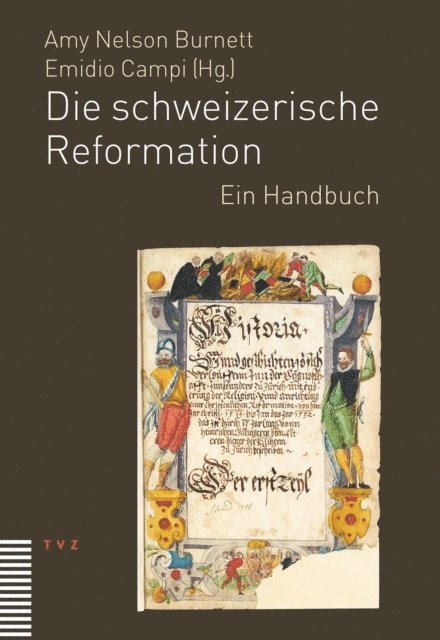
Die Reformation ist eines der grossen Ereignisse der Schweizer Geschichte. Die neuen religiösen Auffassungen lösen heftige soziale Konflikte aus, die die Vertrauensbasis zwischen den katholischen und protestantischen Orten erschüttern und den Zusammenhalt der Eidgenossenschaft infrage stellen. Der starke Einfluss des Humanismus, die ausgewogenen Machtverhältnisse in den Städten und die religiöse Autonomie vieler Landgemeinden - das alles zusammen gibt der Reformation in der Schweiz ein unverwechselbares Profil.Das Handbuch zeichnet detailliert die Ausbreitung der reformatorischen Bewegung in den Städten Zürich, Bern, Basel, St. Gallen, Schaffhausen und in den ländlichen Gebieten wie Graubünden, Appenzell und der französischsprachigen Schweiz, aber auch die gescheiterten Reformationen oder die Täuferbewegung nach. Es zeigt, wie sich im Lauf des 16. Jahrhunderts aus einer diffusen Bewegung eine disziplinierte Gruppe von Kirchen mit definierten Glaubenssätzen und eigenständiger Kultur entwickelt hat, und erkundet die Langzeitfolgen der Reformation auf die schweizerische Gesellschaft, auf die religiöse Kultur wie die Alltagskultur, auf Bildung, Gemeinwesen und Politik.Mit Beiträgen von Irena Backus, Jan-Andrea Bernhard, Erich Bryner, Amy Nelson Burnett, Emidio Campi, Bruce Gordon, Kaspar von Greyerz, Sundar Henny, Karin Maag, Thomas Maissen, Martin Sallmann, Regula Schmid und Andrea Strübind.
Del 72 - Brill's Companions to the Christian Tradition
Companion to the Swiss Reformation
Inbunden, Engelska, 2016
3 959 kr
Skickas inom 5-8 vardagar
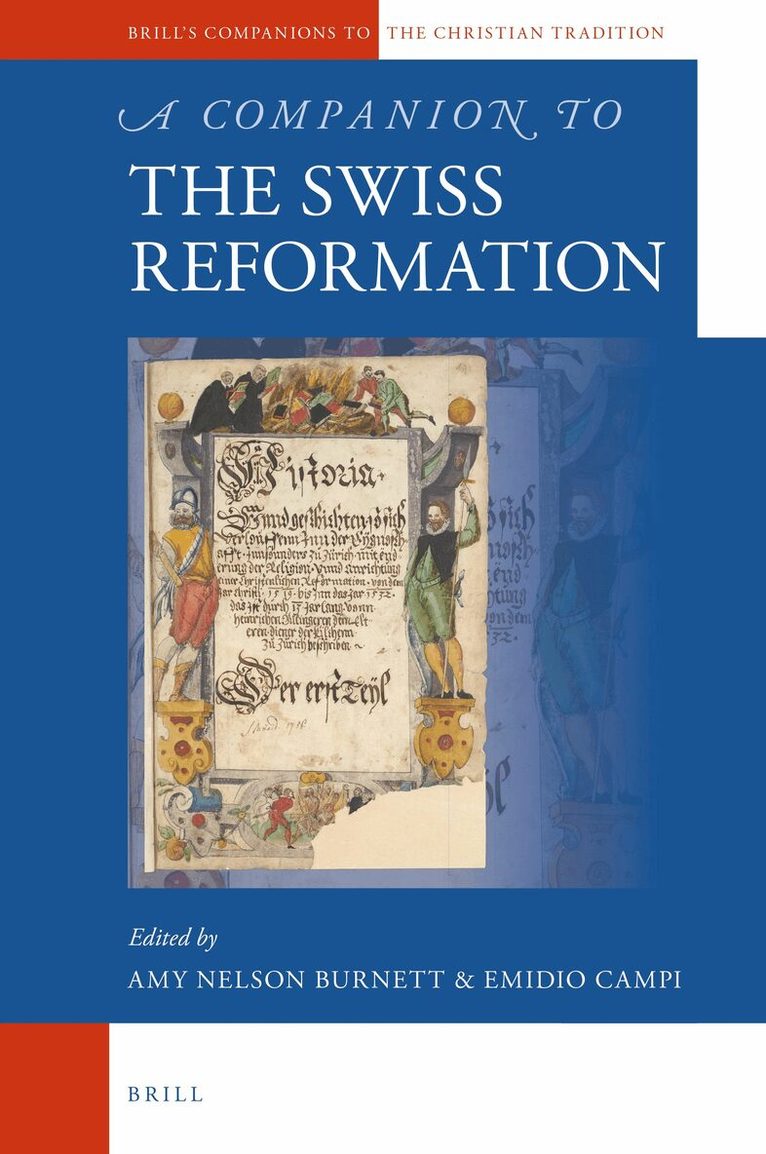
A Companion to the Swiss Reformation describes the course of the Protestant Reformation in the Swiss Confederation over the course of the sixteenth century. Its essays examine the successes as well as the failures of the reformation movement, considering not only the institutional churches but also the spread of Anabaptism. The volume highlights the different form that the Reformation took among the members of the Confederation and its allied territories, and it describes the political, social and cultural consequences of the Reformation for the Confederation as a whole.Contributors are: Irena Backus, Jan-Andrea Bernhard, Amy Nelson Burnett, Michael W. Bruening, Erich Bryner, Emidio Campi, Bruce Gordon, Kaspar von Greyerz, Sundar Henny, Karin Maag, Thomas Maissen, Regula Schmid-Keeling, Martin Sallmann, and Andrea Strübind.