Ana M. Carvalho – författare
Visar alla böcker från författaren Ana M. Carvalho. Handla med fri frakt och snabb leverans.
3 produkter
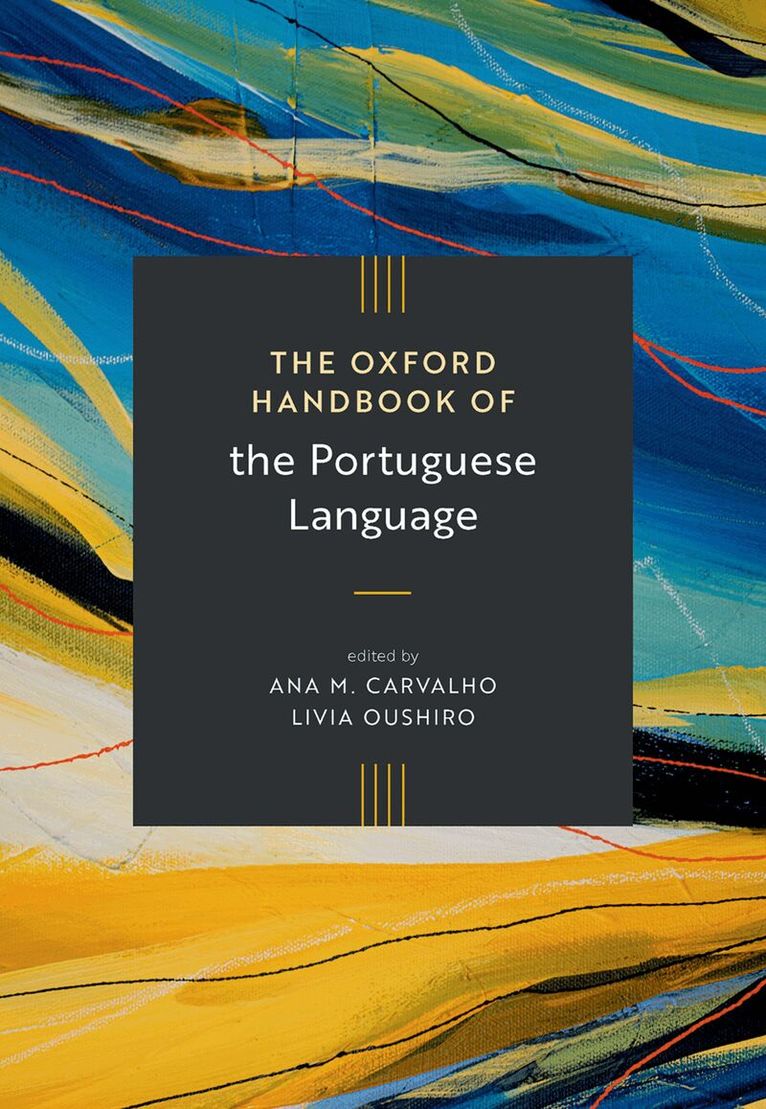
The Oxford Handbook of the Portuguese Language
Av Ana M. Carvalho, Livia Oushiro
Inbunden, 2026
2843 kr
Lägg i varukorg
This handbook brings together leading experts in the field to provide a comprehensive overview of the principal historical and contemporary aspects of the Portuguese language from a wide range of perspectives. The first part of the volume explores the main structural characteristics of Portuguese, …
Subject Pronoun Expression in Spanish
A Cross-Dialectal Perspective
Av Ana M. Carvalho, Rafael Orozco m. fl.
Häftad, 2015
662 kr
Lägg i varukorg
Much recent scholarship has sought to identify the linguistic and social factors that favor the expression or omission of subject pronouns in Spanish. This volume brings together leading experts on the topic of language variation in Spanish to provide a panoramic view of research trends, develop …
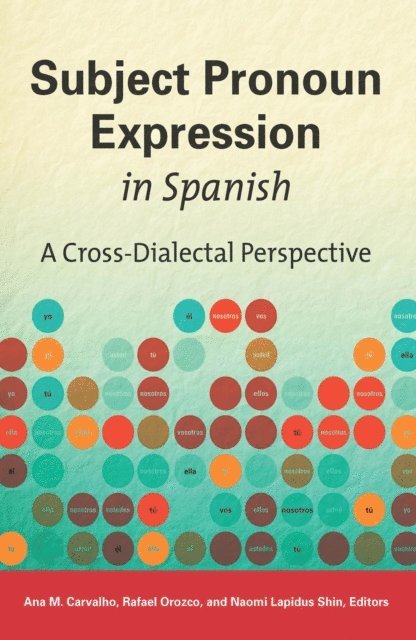
Subject Pronoun Expression in Spanish
A Cross-Dialectal Perspective
Av Naomi Lapidus Shin, Rafael Orozco m. fl.
E-bok, 2015
789 kr
Lägg i varukorg
Much recent scholarship has sought to identify the linguistic and social factors that favor the expression or omission of subject pronouns in Spanish. This volume brings together leading experts on the topic of language variation in Spanish to provide a panoramic view of research trends, develop …