Anastasia Philippa Scrutton – författare
Visar alla böcker från författaren . Handla med fri frakt och snabb leverans.
6 produkter
6 produkter
Häftad, Engelska, 2026
239 kr
Kommande
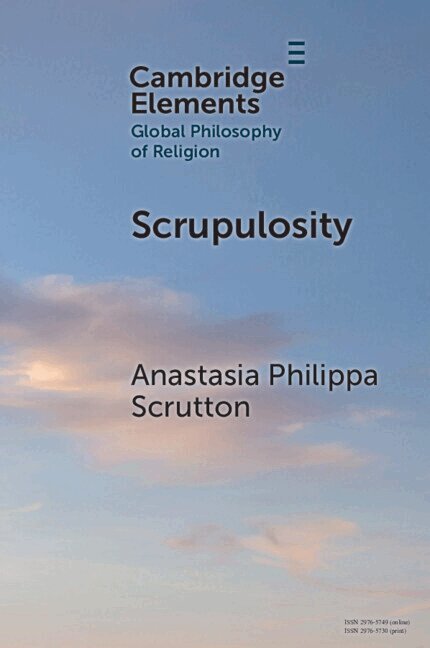
Scrupulosity is sometimes regarded as a form of Obsessive Compulsive Disorder (OCD) which focuses especially on religious obsessions and compulsions, or more generally as an excessive form of religious or spiritual perfectionism. In this Element, drawing on my own experiences and those of people within different religious traditions, I will expand our understanding of the phenomenology of scrupulosity, including ways it is experienced differently by people within different religious traditions. Next, I will consider why there is scrupulosity, exploring psychological and theological perspectives. Finally, I will then turn to the question of whether scrupulosity can be spiritually innocent; i.e. that, in spite of scrupulosity being (I argue) a spiritual disability, a person might gain spiritual benefits as a result of having scrupulosity that they would probably not otherwise gain. Finally, I will consider the implications of my argument for clinical and pastoral contexts, and for the philosophy of religion.
Inbunden, Engelska, 2026
769 kr
Kommande
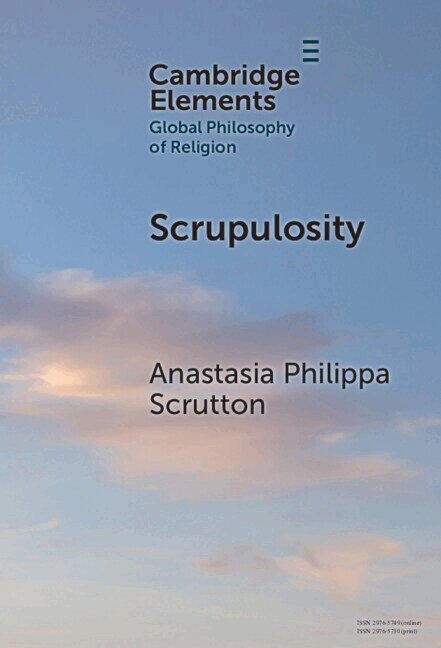
Scrupulosity is sometimes regarded as a form of Obsessive Compulsive Disorder (OCD) which focuses especially on religious obsessions and compulsions, or more generally as an excessive form of religious or spiritual perfectionism. In this Element, drawing on my own experiences and those of people within different religious traditions, I will expand our understanding of the phenomenology of scrupulosity, including ways it is experienced differently by people within different religious traditions. Next, I will consider why there is scrupulosity, exploring psychological and theological perspectives. Finally, I will then turn to the question of whether scrupulosity can be spiritually innocent; i.e. that, in spite of scrupulosity being (I argue) a spiritual disability, a person might gain spiritual benefits as a result of having scrupulosity that they would probably not otherwise gain. Finally, I will consider the implications of my argument for clinical and pastoral contexts, and for the philosophy of religion.
E-bok
Engelska, 2011590 kr
Läs direkt efter köp
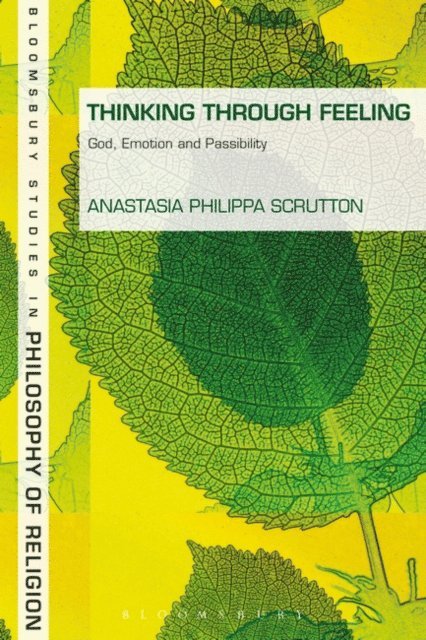
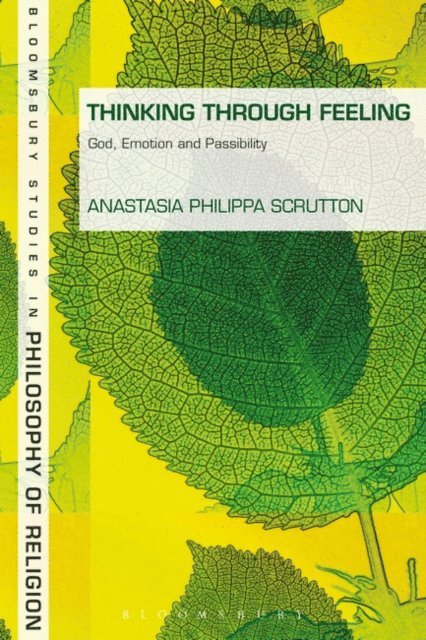
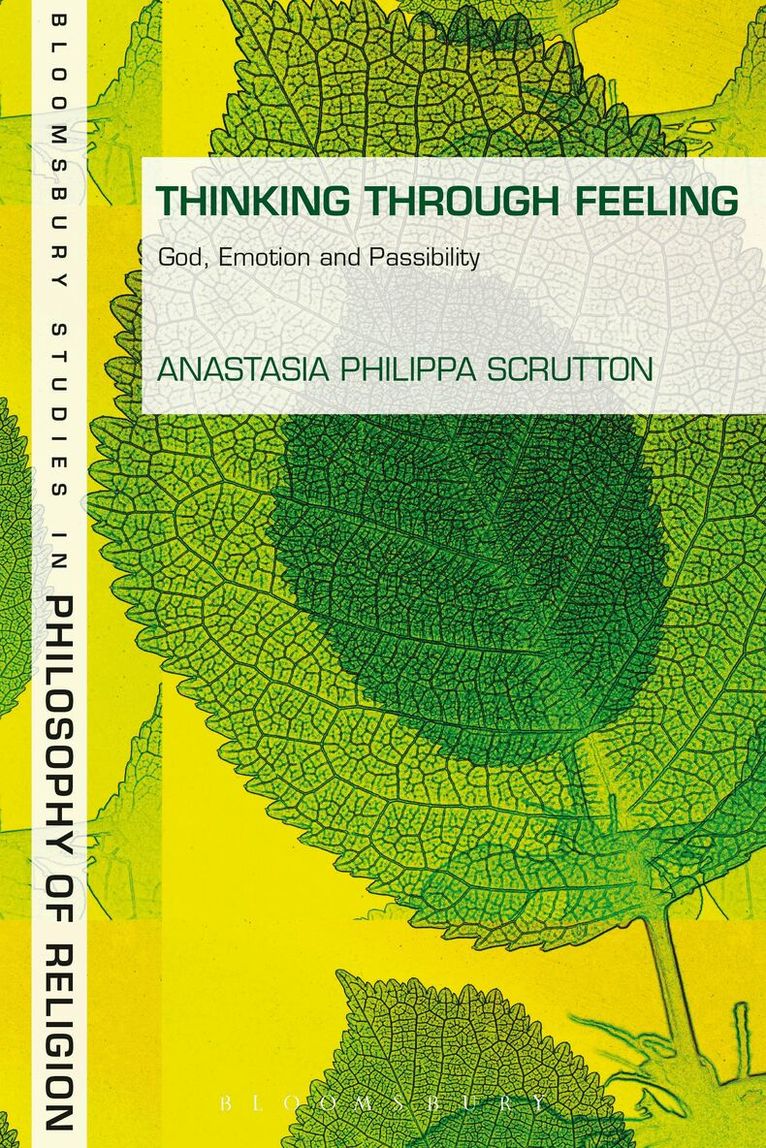
Contemporary debates on God''s emotionality are divided between two extremes. Impassibilists deny God''s emotionality on the basis of God''s omniscience, omnipotence and incorporeality. Passibilists seem to break with tradition by affirming divine emotionality, often focusing on the idea that God suffers with us. Contemporary philosophy of emotion reflects this divide. Some philosophers argue that emotions are voluntary and intelligent mental events, making them potentially compatible with omniscience and omnipotence. Others claim that emotions are involuntary and basically physiological, rendering them inconsistent with traditional divine attributes. Thinking Through Feeling: God, Emotion and Passibility creates a three-way conversation between the debate in theology, contemporary philosophy of emotion, and pre-modern (particularly Augustinian and Thomist) conceptions of human affective experience. It also provides an exploration of the intelligence and value of the emotions of compassion, anger and jealousy.
Inbunden, Engelska, 2011
1 958 kr
Skickas inom 10-15 vardagar
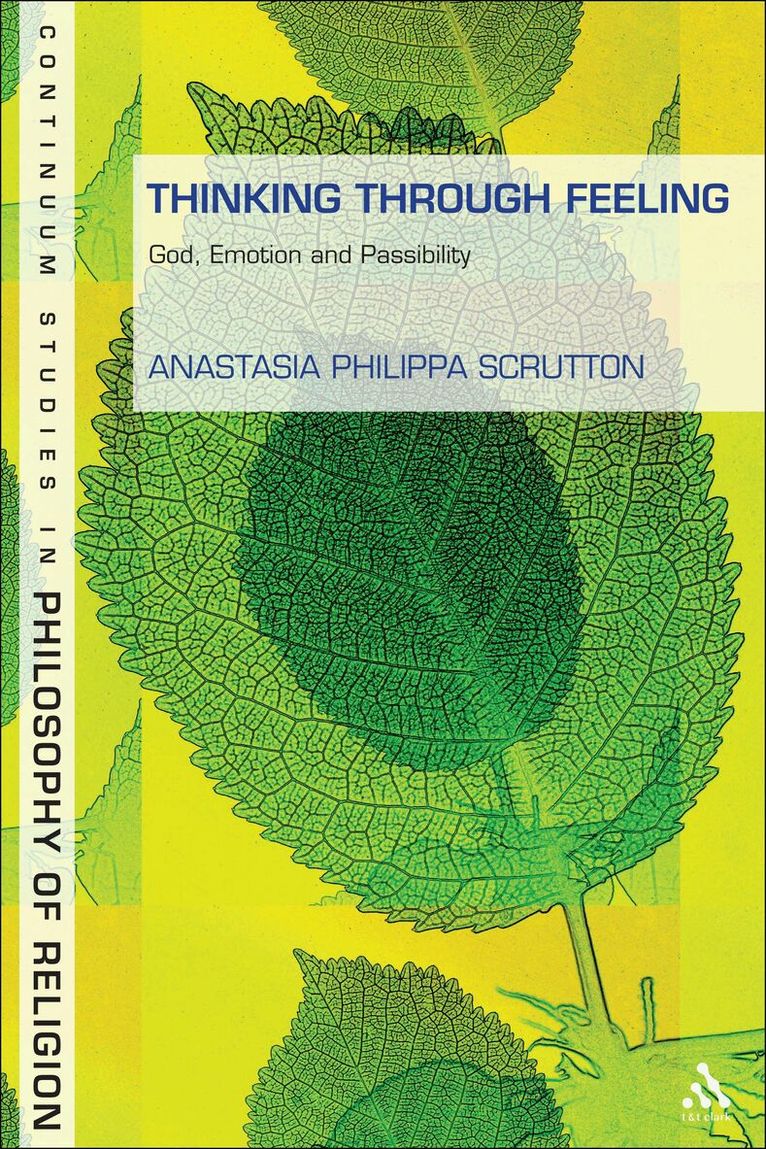
Contemporary debates on God's emotionality are divided between two extremes. Impassibilists deny God's emotionality on the basis of God's omniscience, omnipotence and incorporeality. Passibilists seem to break with tradition by affirming divine emotionality, often focusing on the idea that God suffers with us.Contemporary philosophy of emotion reflects this divide. Some philosophers argue that emotions are voluntary and intelligent mental events, making them potentially compatible with omniscience and omnipotence. Others claim that emotions are involuntary and basically physiological, rendering them inconsistent with traditional divine attributes. Thinking Through Feeling: God, Emotion and Passibility creates a three-way conversation between the debate in theology, contemporary philosophy of emotion, and pre-modern (particularly Augustinian and Thomist) conceptions of human affective experience. It also provides an exploration of the intelligence and value of the emotions of compassion, anger and jealousy.
E-bok
PDF, Engelska, 2011570 kr
Läs direkt efter köp
Contemporary debates on God''s emotionality are divided between two extremes. Impassibilists deny God''s emotionality on the basis of God''s omniscience, omnipotence and incorporeality. Passibilists seem to break with tradition by affirming divine emotionality, often focusing on the idea that God suffers with us. Contemporary philosophy of emotion reflects this divide. Some philosophers argue that emotions are voluntary and intelligent mental events, making them potentially compatible with omniscience and omnipotence. Others claim that emotions are involuntary and basically physiological, rendering them inconsistent with traditional divine attributes. Thinking Through Feeling: God, Emotion and Passibility creates a three-way conversation between the debate in theology, contemporary philosophy of emotion, and pre-modern (particularly Augustinian and Thomist) conceptions of human affective experience. It also provides an exploration of the intelligence and value of the emotions of compassion, anger and jealousy.
Häftad, Engelska, 2013
550 kr
Skickas inom 10-15 vardagar
Contemporary debates on God's emotionality are divided between two extremes. Impassibilists deny God's emotionality on the basis of God's omniscience, omnipotence and incorporeality. Passibilists seem to break with tradition by affirming divine emotionality, often focusing on the idea that God suffers with us.Contemporary philosophy of emotion reflects this divide. Some philosophers argue that emotions are voluntary and intelligent mental events, making them potentially compatible with omniscience and omnipotence. Others claim that emotions are involuntary and basically physiological, rendering them inconsistent with traditional divine attributes.Thinking Through Feeling: God, Emotion and Passibility creates a three-way conversation between the debate in theology, contemporary philosophy of emotion, and pre-modern (particularly Augustinian and Thomist) conceptions of human affective experience. It also provides an exploration of the intelligence and value of the emotions of compassion, anger and jealousy.