Andrew H. Paterson – författare
Visar alla böcker från författaren Andrew H. Paterson. Handla med fri frakt och snabb leverans.
9 produkter
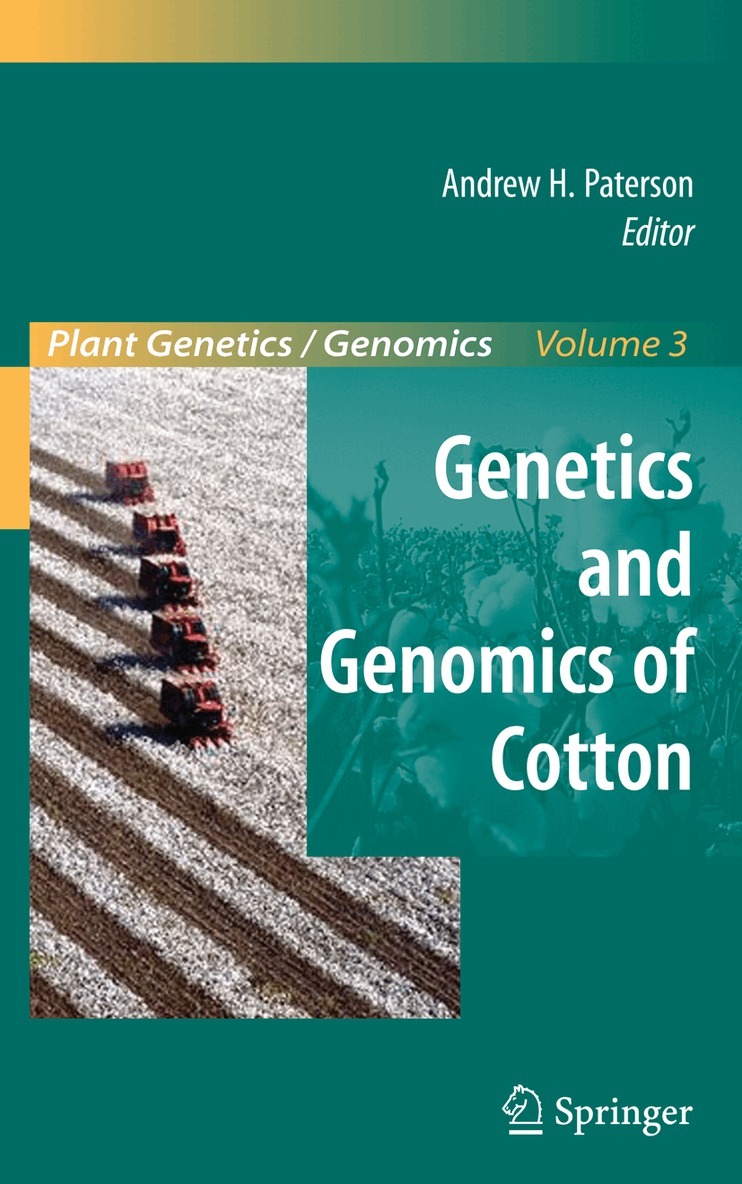
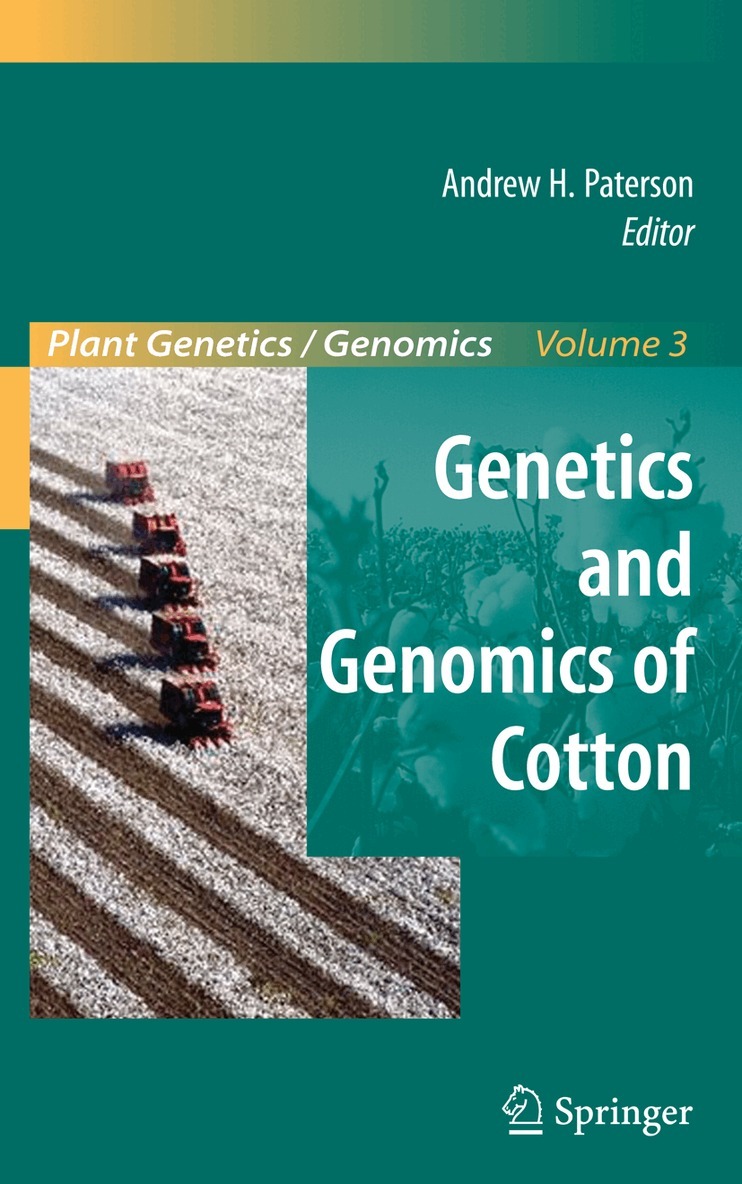
Genetics and Genomics of Cotton
Inbunden, 2009
2183 kr
Lägg i varukorg
A few members of the Gossypium (cotton) genus are cultivated for the production of elongated single-celled fibers valued worldwide at about $20 billion annually at the farm gate, and which sustain one of the world’s largest industries (textiles) with an annual worldwide economic impact of about …
Genetics and Genomics of Cotton
E-bok, 2009
2833 kr
Lägg i varukorg
A few members of the Gossypium (cotton) genus are cultivated for the production of elongated single-celled fibers valued worldwide at about $20 billion annually at the farm gate, and which sustain one of the world’s largest industries (textiles) with an annual worldwide economic impact of about …
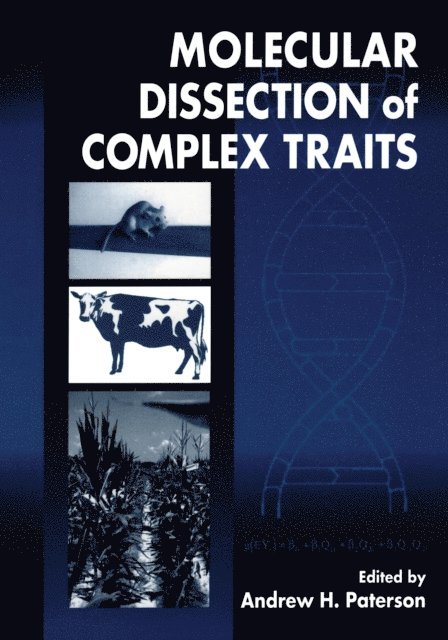
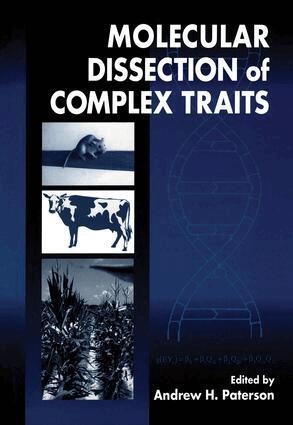
Molecular Dissection of Complex Traits
E-bok, 2019
5021 kr
Lägg i varukorg
In the past 10 years, contemporary geneticists using new molecular tools have been able to resolve complex traits into individual genetic components and describe each such component in detail. Molecular Dissection of Complex Traits summarizes the state of the art in molecular analysis of complex …
Molecular Dissection of Complex Traits
E-bok, 2019
5021 kr
Lägg i varukorg
In the past 10 years, contemporary geneticists using new molecular tools have been able to resolve complex traits into individual genetic components and describe each such component in detail. Molecular Dissection of Complex Traits summarizes the state of the art in molecular analysis of complex …
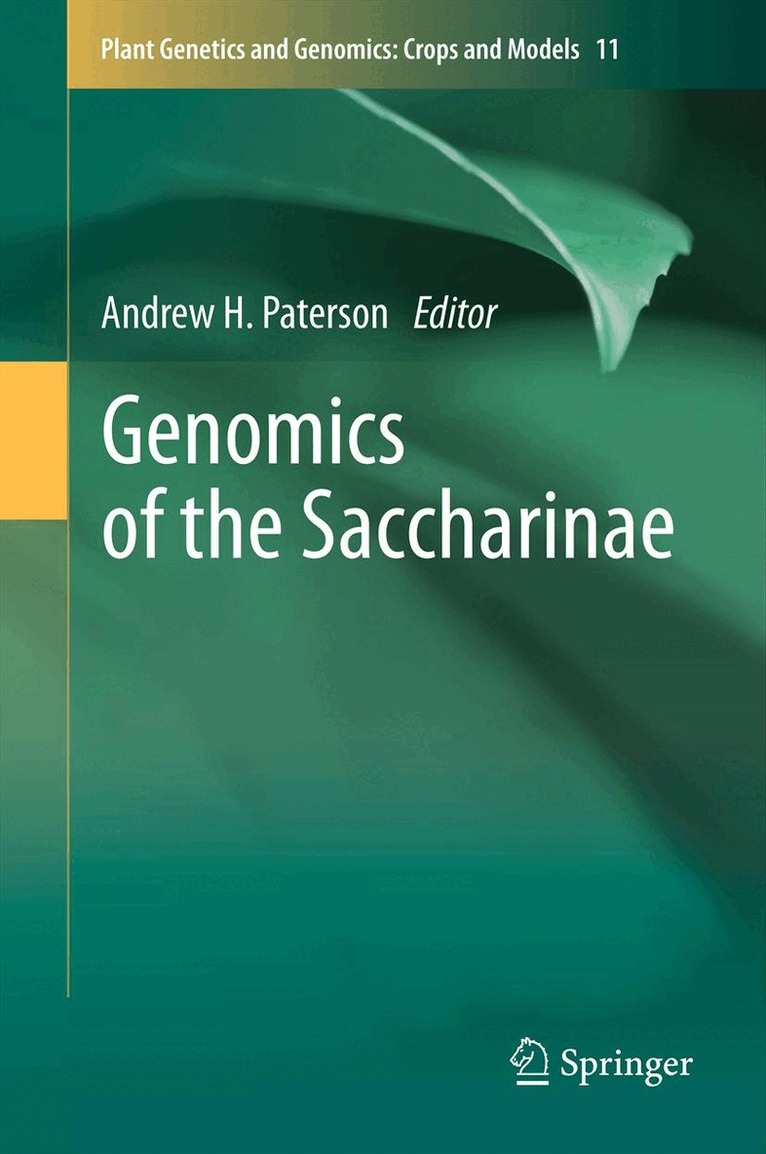
Genomics of the Saccharinae
Inbunden, 2012
2183 kr
Lägg i varukorg
The Saccharinae clade of the Poaceae (grass) family of flowering plants includes several important crops with a rich history of contributions to humanity and the promise of still-greater contributions, as a result of some of the highest biomass productivity levels known, resilience to drought and …
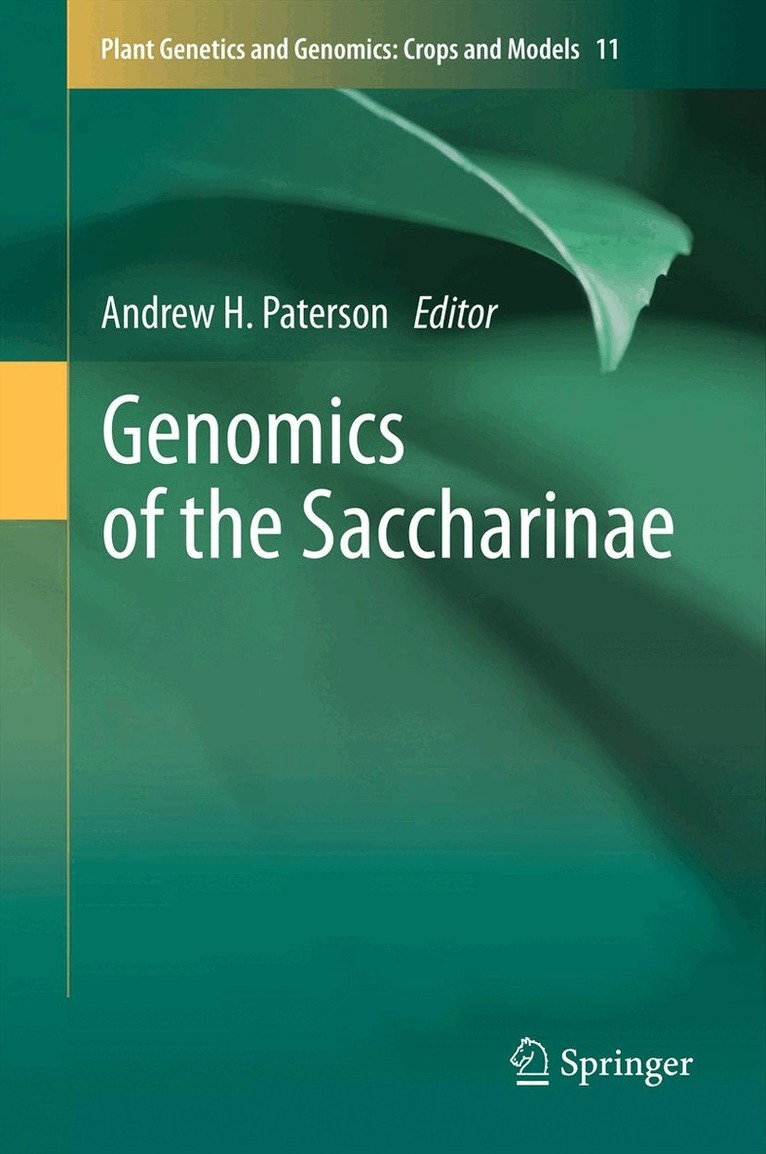
Genomics of the Saccharinae
E-bok, 2012
2925 kr
Lägg i varukorg
The Saccharinae clade of the Poaceae (grass) family of flowering plants includes several important crops with a rich history of contributions to humanity and the promise of still-greater contributions, as a result of some of the highest biomass productivity levels known, resilience to drought and …
Genomics of the Saccharinae
Häftad, 2014
2244 kr
Lägg i varukorg
The Saccharinae clade of the Poaceae (grass) family of flowering plants includes several important crops with a rich history of contributions to humanity and the promise of still-greater contributions, as a result of some of the highest biomass productivity levels known, resilience to drought and …
Genetics and Genomics of Cotton
Häftad, 2016
2183 kr
Lägg i varukorg
A few members of the Gossypium (cotton) genus are cultivated for the production of elongated single-celled fibers valued worldwide at about $20 billion annually at the farm gate, and which sustain one of the world’s largest industries (textiles) with an annual worldwide economic impact of about …
Molecular Dissection of Complex Traits
Inbunden, 1997
2911 kr
Tillfälligt slut
In the past 10 years, contemporary geneticists using new molecular tools have been able to resolve complex traits into individual genetic components and describe each such component in detail. Molecular Dissection of Complex Traits summarizes the state of the art in molecular analysis of complex …