Andrew Paquette – författare
Visar alla böcker från författaren Andrew Paquette. Handla med fri frakt och snabb leverans.
10 produkter
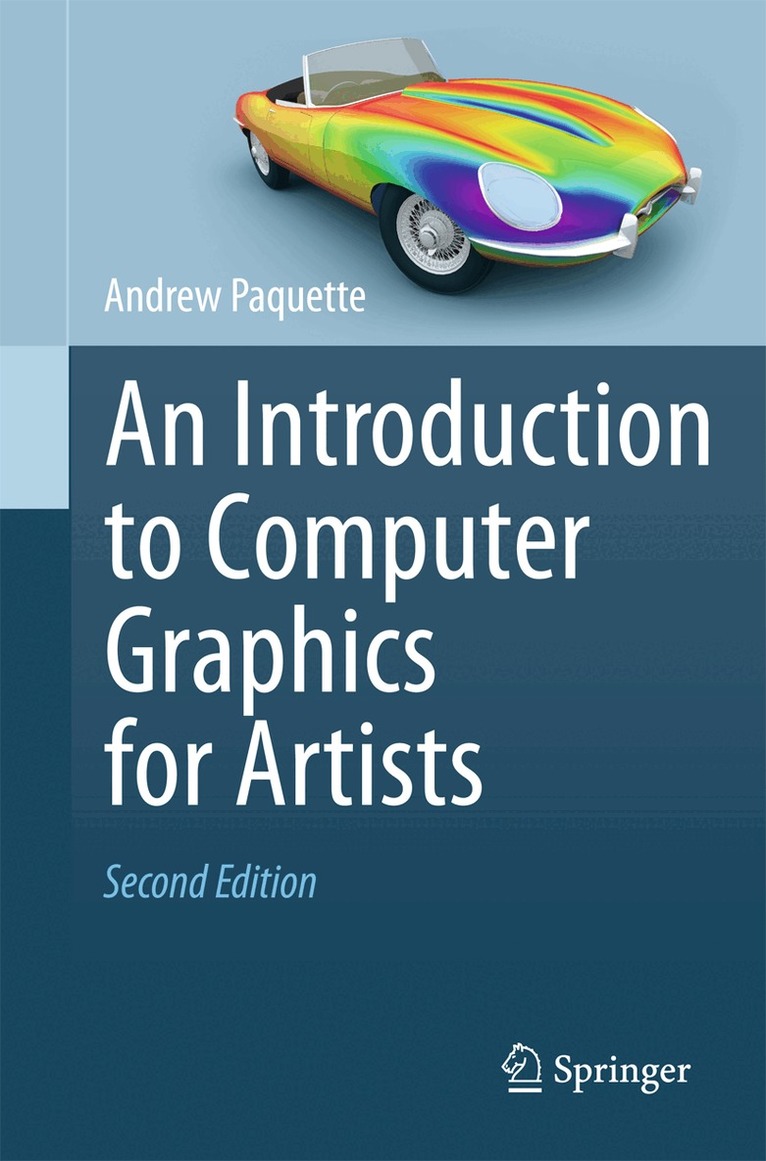
Introduction to Computer Graphics for Artists
Häftad, 2013
737 kr
Lägg i varukorg
An Introduction to Computer Graphics for Artists is an application-independent, reader-friendly primer for anyone with a serious desire to understand 3D Computer Graphics. Written by a veteran of the computer graphics industry whose previous career included film animation and various spells as Art …
Introduction to Computer Graphics for Artists
E-bok, 2014
923 kr
Lägg i varukorg
An Introduction to Computer Graphics for Artists is an application-independent, reader-friendly primer for anyone with a serious desire to understand 3D Computer Graphics. Written by a veteran of the computer graphics industry whose previous career included film animation and various spells as Art …
Dreamer – 20 years of psychic dreams and how they changed my life
Häftad, 2011
325 kr
Lägg i varukorg
Dictionaries say that dreams are a sequence of images from sleep. What is left out is that these images are recollections of something else. They are memories of experiences some fanciful some shatteringly real. When author Andrew Paquette first dreamed of the future he was able to avert a mugging …
Computer Graphics for Artists: An Introduction
E-bok, 2008
504 kr
Lägg i varukorg
Computer Graphics for Artists: an introduction is an application-independent, reader-friendly primer for anyone with a serious desire to understand 3D Computer Graphics Opening with the first and most basic elements of computer graphics, the book rapidly advances into progressively more complex …
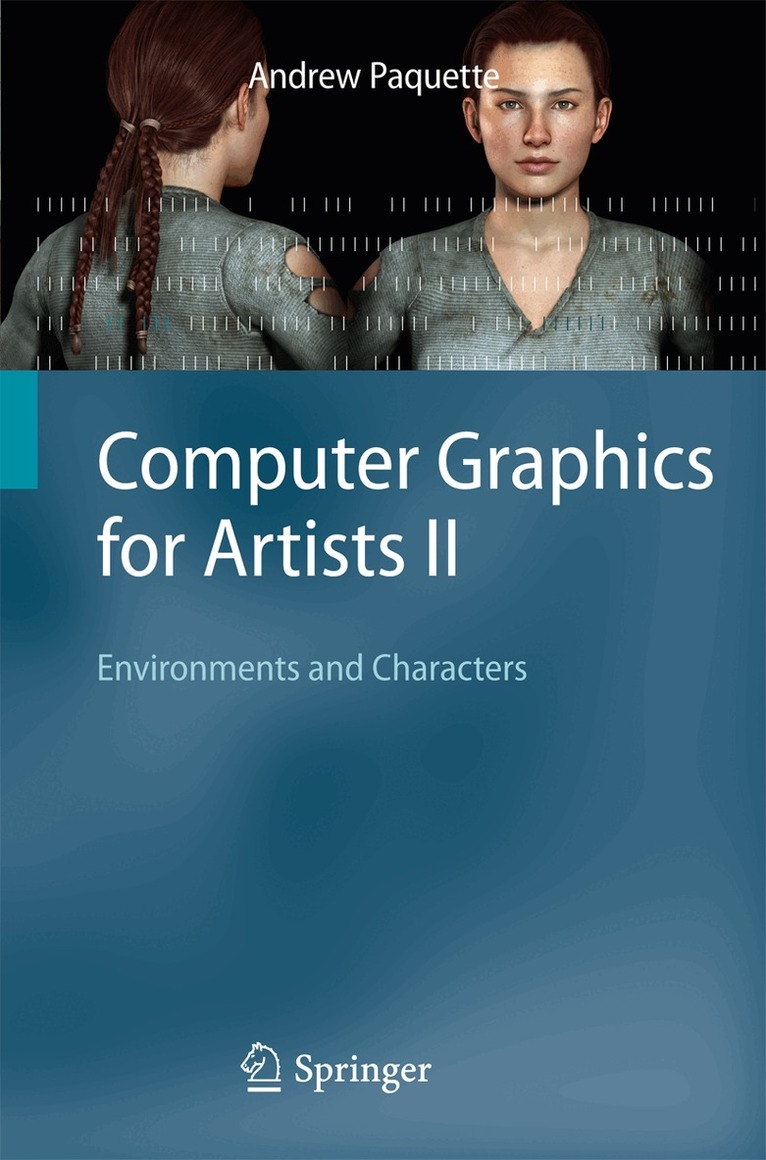
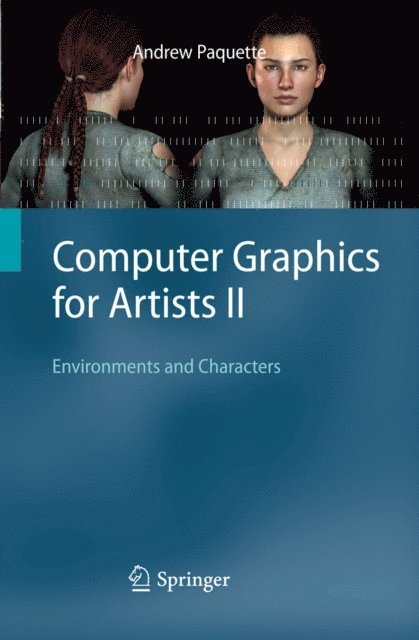
Computer Graphics for Artists II
Environments and Characters
Häftad, 2009
569 kr
Lägg i varukorg
In this second volume of Computer Graphics for Artists the author, Andrew Paquette, guides the reader through the creation of realistic computer-generated backgrounds and characters. Rather than teach using a specific program, the author focuses on the theory required to ensure that the artist can …
Computer Graphics for Artists II
Environments and Characters
E-bok, 2009
739 kr
Lägg i varukorg
In this second volume of Computer Graphics for Artists the author, Andrew Paquette, guides the reader through the creation of realistic computer-generated backgrounds and characters. Rather than teach using a specific program, the author focuses on the theory required to ensure that the artist can …
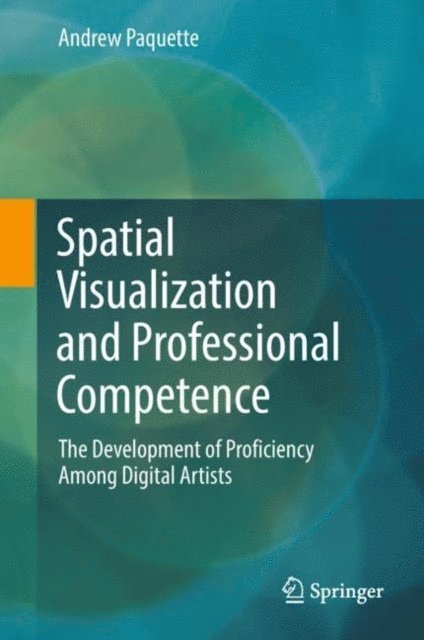
Spatial Visualization and Professional Competence
The Development of Proficiency Among Digital Artists
Häftad, 2019
569 kr
Lägg i varukorg
The computer graphics (CG) industry is an attractive field for undergraduate students, but employers often find that graduates of CG art programmes are not proficient. The result is that many positions are left vacant, despite large numbers of job applicants. This book investigates how student CG …
Spatial Visualization and Professional Competence
The Development of Proficiency Among Digital Artists
Inbunden, 2018
537 kr
Lägg i varukorg
The computer graphics (CG) industry is an attractive field for undergraduate students, but employers often find that graduates of CG art programmes are not proficient. The result is that many positions are left vacant, despite large numbers of job applicants. This book investigates how student CG …
Spatial Visualization and Professional Competence
The Development of Proficiency Among Digital Artists
E-bok, 2018
755 kr
Lägg i varukorg
The computer graphics (CG) industry is an attractive field for undergraduate students, but employers often find that graduates of CG art programmes are not proficient. The result is that many positions are left vacant, despite large numbers of job applicants. This book investigates how student CG …