Andrew S. Natsios – författare
Visar alla böcker från författaren . Handla med fri frakt och snabb leverans.
10 produkter
10 produkter
Häftad, Engelska, 2012
194 kr
Skickas inom 5-8 vardagar
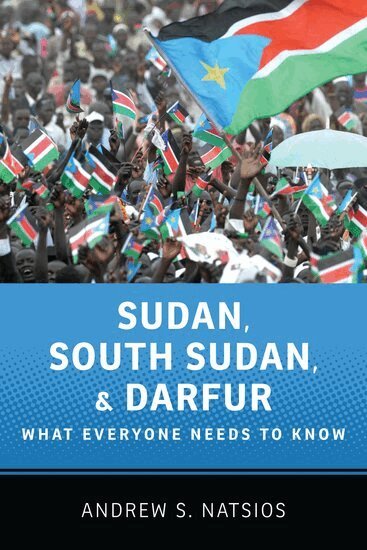
For thirty years Sudan has been a country in crisis, wracked by near-constant warfare between the north and the south. But on July 9, 2011, South Sudan became an independent nation. As Sudan once again finds itself the focus of international attention, former special envoy to Sudan and director of USAID Andrew Natsios provides a timely introduction to the country at this pivotal moment in its history. Focusing on the events of the last 25 years, Natsios sheds light on the origins of the conflict between northern and southern Sudan and the complicated politics of this volatile nation. He gives readers a first-hand view of Sudan's past as well as an honest appraisal of its future. In the wake of South Sudan's independence, Natsios explores the tensions that remain on both sides. Issues of citizenship, security, oil management, and wealth-sharing all remain unresolved. Human rights issues, particularly surrounding the ongoing violence in Darfur, likewise still clamor for solutions. Informative and accessible, this book introduces readers to the most central issues facing Sudan as it stands on the brink of historic change.
Inbunden, Engelska, 2012
569 kr
Skickas inom 7-10 vardagar
For thirty years Sudan has been a country in crisis, wracked by near-constant warfare between the north and the south. But on July 9, 2011, South Sudan became an independent nation. As Sudan once again finds itself the focus of international attention, former special envoy to Sudan and director of USAID Andrew Natsios provides a timely introduction to the country at this pivotal moment in its history. Focusing on the events of the last 25 years, Natsios sheds light on the origins of the conflict between northern and southern Sudan and the complicated politics of this volatile nation. He gives readers a first-hand view of Sudan's past as well as an honest appraisal of its future. In the wake of South Sudan's independence, Natsios explores the tensions that remain on both sides. Issues of citizenship, security, oil management, and wealth-sharing all remain unresolved. Human rights issues, particularly surrounding the ongoing violence in Darfur, likewise still clamor for solutions. Informative and accessible, this book introduces readers to the most central issues facing Sudan as it stands on the brink of historic change.
E-bok
PDF, Engelska, 2012112 kr
Läs direkt efter köp
For thirty years Sudan has been a country in crisis, wracked by near-constant warfare between the north and the south. But on July 9, 2011, South Sudan became an independent nation. As Sudan once again finds itself the focus of international attention, former special envoy to Sudan and director of USAID Andrew Natsios provides a timely introduction to the country at this pivotal moment in its history. Focusing on the events of the last 25 years, Sudan, South Sudan, and Darfur: What Everyone Needs to Know? sheds light on the origins of the conflict between northern and southern Sudan and the complicated politics of this volatile nation. Natsios gives readers a first-hand view of Sudan''s past as well as an honest appraisal of its future. In the wake of South Sudan''s independence, Natsios explores the tensions that remain on both sides. Issues of citizenship, security, oil management, and wealth-sharing all remain unresolved. Human rights issues, particularly surrounding the ongoing violence in Darfur, likewise still clamor for solutions. Informative and accessible, this book introduces readers to the most central issues facing Sudan as it stands on the brink of historic change.What Everyone Needs to Know? is a registered trademark of Oxford University Press.
E-bok
Engelska, 2012112 kr
Läs direkt efter köp
For thirty years Sudan has been a country in crisis, wracked by near-constant warfare between the north and the south. But on July 9, 2011, South Sudan became an independent nation. As Sudan once again finds itself the focus of international attention, former special envoy to Sudan and director of USAID Andrew Natsios provides a timely introduction to the country at this pivotal moment in its history. Focusing on the events of the last 25 years, Sudan, South Sudan, and Darfur: What Everyone Needs to Know? sheds light on the origins of the conflict between northern and southern Sudan and the complicated politics of this volatile nation. Natsios gives readers a first-hand view of Sudan''s past as well as an honest appraisal of its future. In the wake of South Sudan''s independence, Natsios explores the tensions that remain on both sides. Issues of citizenship, security, oil management, and wealth-sharing all remain unresolved. Human rights issues, particularly surrounding the ongoing violence in Darfur, likewise still clamor for solutions. Informative and accessible, this book introduces readers to the most central issues facing Sudan as it stands on the brink of historic change.What Everyone Needs to Know? is a registered trademark of Oxford University Press.
Inbunden, Engelska, 1997
1 048 kr
Skickas inom 10-15 vardagar
This book explores the emerging phenomenon of complex humanitarian emergencies and the evolving policies of the United States in responding to these emergencies. In addition, Andrew Natsios examines the relationship of disaster response to U.S. foreign policy and national interest, and makes suggestions for improving both relief strategies and systems for designing those strategies.To these issues Natsios brings his first-hand experience in numerous key positions. Mr. Natsios provides case study analysis from these experiences over the past five years to illustrate the arguments presented in the book, particularly regarding Somalia, Angola, Sudan, Panama, and Kuwait and Kurdistan following the Gulf War. As former president George Bush indicates in his foreword to the volume, this book will make a substantive contribution to continuing and enhancing vitally important work. Of great interest to scholars, researchers, and policy makers in the areas of contemporary American foreign policy and humanitarian activities abroad.
Häftad, Engelska, 1997
382 kr
Skickas inom 10-15 vardagar
This book explores the emerging phenomenon of complex humanitarian emergencies and the evolving policies of the United States in responding to these emergencies. In addition, Andrew Natsios examines the relationship of disaster response to U.S. foreign policy and national interest, and makes suggestions for improving both relief strategies and systems for designing those strategies.To these issues Natsios brings his first-hand experience in numerous key positions. Mr. Natsios provides case study analysis from these experiences over the past five years to illustrate the arguments presented in the book, particularly regarding Somalia, Angola, Sudan, Panama, and Kuwait and Kurdistan following the Gulf War. As former president George Bush indicates in his foreword to the volume, this book will make a substantive contribution to continuing and enhancing vitally important work. Of great interest to scholars, researchers, and policy makers in the areas of contemporary American foreign policy and humanitarian activities abroad.
E-bok
PDF, Engelska, 1997409 kr
Läs direkt efter köp
This book explores the emerging phenomenon of complex humanitarian emergencies and the evolving policies of the United States in responding to these emergencies. In addition, Andrew Natsios examines the relationship of disaster response to U.S. foreign policy and national interest, and makes suggestions for improving both relief strategies and systems for designing those strategies.To these issues Natsios brings his first-hand experience in numerous key positions. Mr. Natsios provides case study analysis from these experiences over the past five years to illustrate the arguments presented in the book, particularly regarding Somalia, Angola, Sudan, Panama, and Kuwait and Kurdistan following the Gulf War. As former president George Bush indicates in his foreword to the volume, this book will make a substantive contribution to continuing and enhancing vitally important work. Of great interest to scholars, researchers, and policy makers in the areas of contemporary American foreign policy and humanitarian activities abroad.
Inbunden, Engelska, 2021
500 kr
Skickas inom 5-8 vardagar
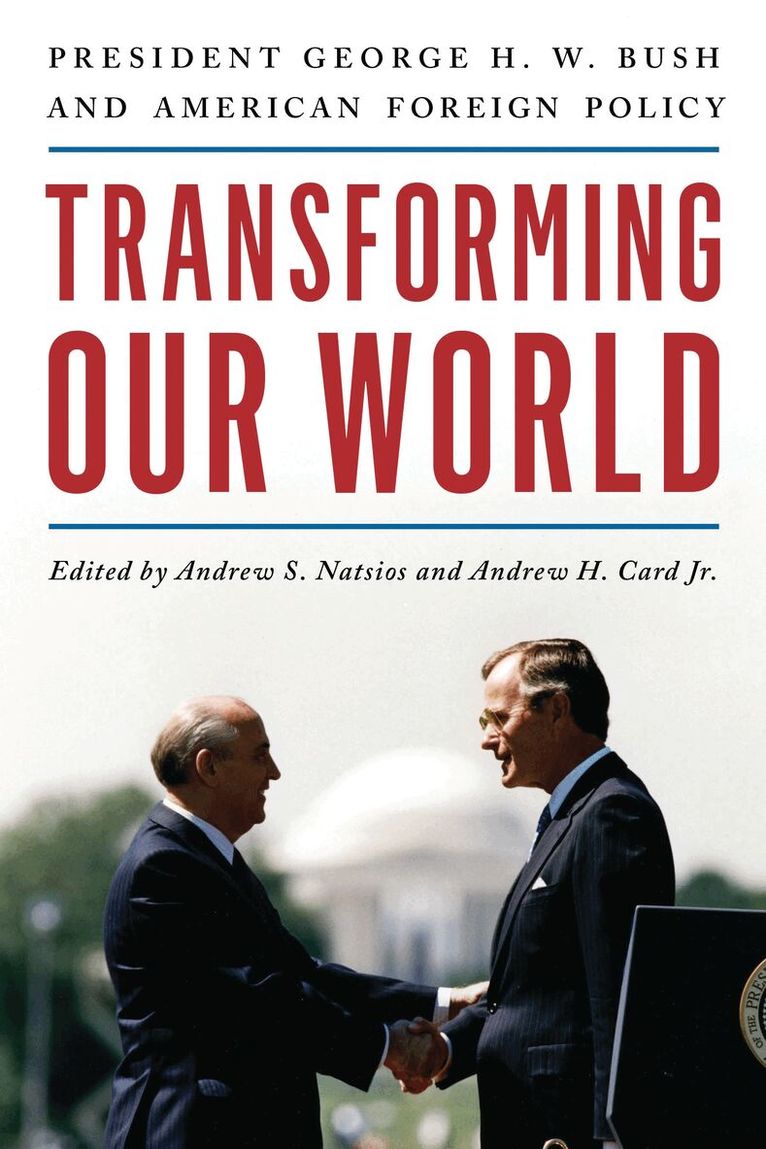
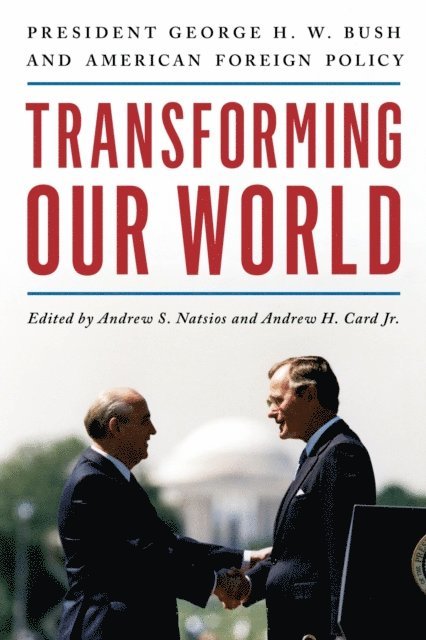
From the fall of the Soviet Union to the Gulf War, the presidency of George H. W. Bush dealt with foreign policy challenges that would cement the post-Cold War order for a generation. This book brings together a distinguished collection of foreign policy practitioners – career and political – who participated in the unfolding of international events as part the Bush administration to provide insider perspective by the people charged with carrying them out. They shed new light on and analyze President Bush’s role in world events during this historic period, his style of diplomacy, the organization and functioning of his foreign policy team, the consequences of his decisions, and his leadership skills. At a time when the old American-led post-World War II order is eroding or even collapsing, this book reminds readers of the difference American leadership in the world can make and how a president can manage a highly successful foreign policy.
E-bok
PDF, Engelska, 2021530 kr
Läs direkt efter köp
From the fall of the Soviet Union to the Gulf War, the presidency of George H. W. Bush dealt with foreign policy challenges that would cement the post-Cold War order for a generation. This book brings together a distinguished collection of foreign policy practitioners – career and political – who participated in the unfolding of international events as part the Bush administration to provide insider perspective by the people charged with carrying them out. They shed new light on and analyze President Bush’s role in world events during this historic period, his style of diplomacy, the organization and functioning of his foreign policy team, the consequences of his decisions, and his leadership skills. At a time when the old American-led post-World War II order is eroding or even collapsing, this book reminds readers of the difference American leadership in the world can make and how a president can manage a highly successful foreign policy.
Inbunden, Engelska, 2027
393 kr
Kommande
Foreign aid has been a powerful tool for advancing the United States’ national interest, serving the poor of the world, and accelerating the modernization process in developing countries. The United States Agency for International Development (USAID) functioned as the principal US government defense against famine and starvation, tyranny and chaos, pandemics and disease outbreaks, and extreme destitution. This book is about what USAID was, what it did, and some of the hidden challenges the Agency faced during its existence. Written by a former administrator of USAID (2001-2006), Andrew Natsios, this book offers a vivid insider’s account of the Agency — drawing on dozens of candid interviews with former staff who devoted themselves to saving lives and advancing American interests across the globe.Natsios shares deeply personal accounts from his more than 35 years of experience in international development, time in government, and often high stakes moments in Afghanistan, covering everything from preventing a famine, educating girls, building health clinics, restoring irrigation canals, and more. These experiences led Natsios to observe what he calls the five clashes of development with other bureaucratic and political interests which often hindered USAID’s potential successes. He argues that these five clashes of development cannot be solved, only managed. Exploring development theory, the counter bureaucracy, diplomacy, politics, and defense — he presents sharp insights on USAID’s operational model and how the Agency could have been more effective.The destruction of USAID in 2025 is already causing profound and tragic consequences for tens of millions of people around the world. This timely portrait of USAID offers a compelling reminder of how American engagement in global affairs requires more than projections of military power. It concludes with a chapter on what American foreign aid should look like in a new era of great power rivalry.