Andromeda Yelton – författare
Visar alla böcker från författaren Andromeda Yelton. Handla med fri frakt och snabb leverans.
2 produkter
2 produkter
Häftad, Engelska, 2015
682 kr
Skickas inom 3-6 vardagar
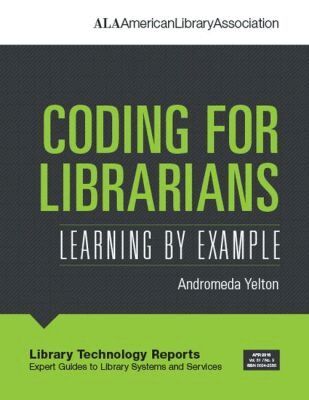
Learning even the rudiments of how to code can increase productivity and effectiveness for librarians and their organizations, and getting started is easier than you might think. The result of interviews with more than 50 librarians, this issue of Library Technology Reports describes and links to dozens of short programs, most with less than 100 lines of code, that are in place and solving problems in libraries today.For example, Becky Yoose eliminated several steps in automating a purchase process triggered by patron-driven acquisition, measurably saving catalogers’ time. Yelton also addresses organizational issues such as gaining buy-in from administrators, collaborating with nontechnical staff, and overcoming institutional barriers. Coverage includes:Scripts that present data to help decision-makersStreamlining data import, export, and clean-upImproving user experience with Javascript or jQeryThree “deep dive” examples with line-by-line analysis, addressing patron alerts, ILS reporting, and a LibGuides organizerSurvey respondents’ recommendations on how to learn coding
E-bok
PDF, Engelska, 2011461 kr
Läs direkt efter köp
For the last four years, Breeding has conducted an online survey to measure satisfaction with multiple aspects of the automation products used by libraries. In this issue of Library Technology Reports Breeding and Yelton take a deeper look at the survey data, including an expansion of findings based on the 2010 iteration, an examination of trends seen across the four years, and additional analysis not previously published. The survey data have been extended with additional fields that provide the opportunity to separate the findings into categories that show some interesting trends not otherwise apparent. Brief interpretive narratives help place the data in context.In this Report, the authors Explain the basis and origins of the survey and what it attempts to measure Examine the qualitative data to find themes and trends Break down the data quantitatively by library size, library type, and more Provide profiles of different vendors and how they are reflected in the survey data