Ángel David Nieves - Böcker
Visar alla böcker från författaren Ángel David Nieves. Handla med fri frakt och snabb leverans.
6 produkter
6 produkter
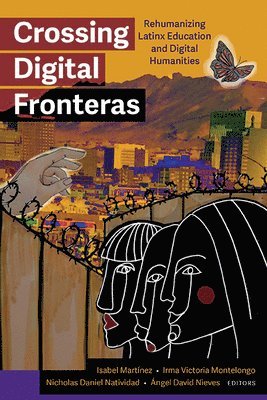
Crossing Digital Fronteras
Rehumanizing Latinx Education and Digital Humanities
Häftad, Engelska, 2024
550 kr
Skickas inom 3-6 vardagar
Demonstrates the liberatory potential of Latinx Digital Humanities at Hispanic-Serving Institutions and in Latinx Studies classrooms.Crossing Digital Fronteras is about liberatory possibilities and digital technologies in the classroom. The book centers critical Latinx Digital Humanities to illustrate the ways college faculty and Latinx students harness digital tools to engage in "messy" yet essential active learning and knowledge production in Hispanic-Serving Institutions (HSIs) and Latinx Studies courses. With increasing Latinx student enrollment and a growing need for the humanities in our complex world, it is essential that HSIs and instructors integrate twenty-first-century tools into their teaching practices to truly "serve" Latinx students and communities. This book definitively inserts Latinx Digital Humanities into broader conversations about best practices at HSIs, on the one hand, and digital humanities and social justice, on the other. Most importantly, it provides practical examples of innovative, rehumanizing digital pedagogies that give students the liberatory learning they deserve.
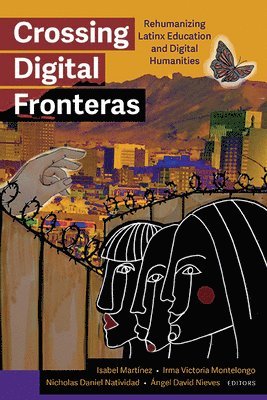
Crossing Digital Fronteras
Rehumanizing Latinx Education and Digital Humanities
Inbunden, Engelska, 2024
1 415 kr
Skickas inom 3-6 vardagar
Demonstrates the liberatory potential of Latinx Digital Humanities at Hispanic-Serving Institutions and in Latinx Studies classrooms.Crossing Digital Fronteras is about liberatory possibilities and digital technologies in the classroom. The book centers critical Latinx Digital Humanities to illustrate the ways college faculty and Latinx students harness digital tools to engage in "messy" yet essential active learning and knowledge production in Hispanic-Serving Institutions (HSIs) and Latinx Studies courses. With increasing Latinx student enrollment and a growing need for the humanities in our complex world, it is essential that HSIs and instructors integrate twenty-first-century tools into their teaching practices to truly "serve" Latinx students and communities. This book definitively inserts Latinx Digital Humanities into broader conversations about best practices at HSIs, on the one hand, and digital humanities and social justice, on the other. Most importantly, it provides practical examples of innovative, rehumanizing digital pedagogies that give students the liberatory learning they deserve.
1 542 kr
Skickas inom 10-15 vardagar
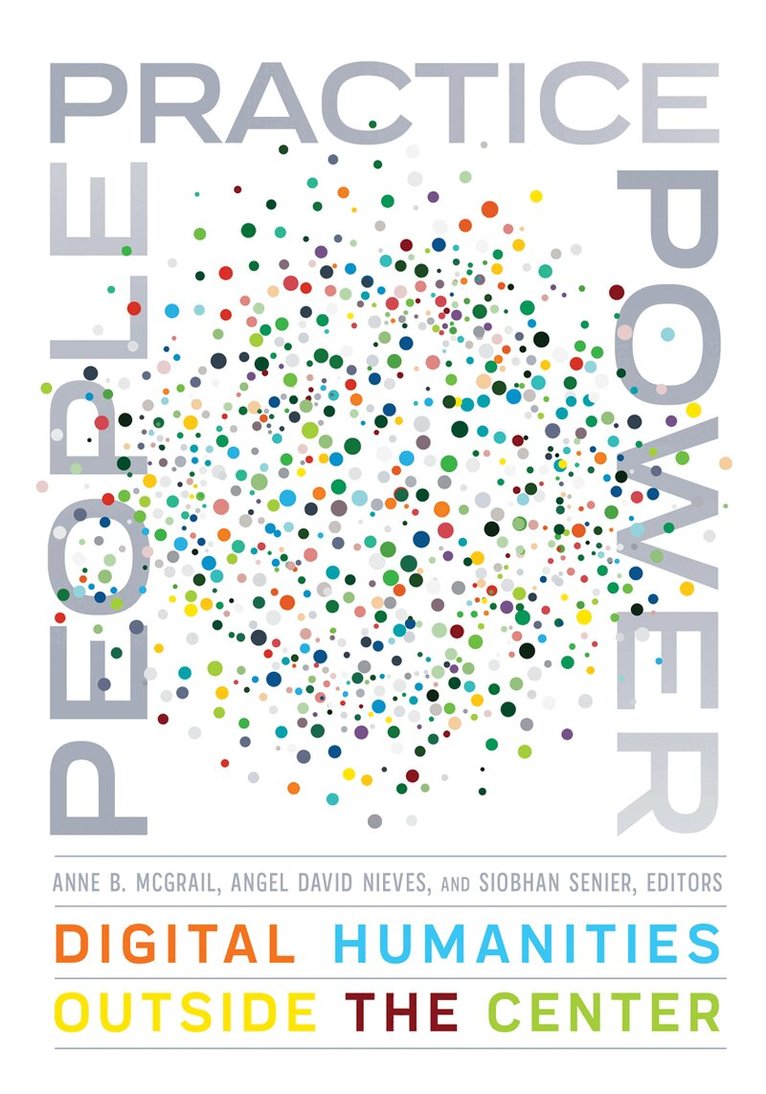
An illuminating volume of critical essays charting the diverse territory of digital humanities scholarshipThe digital humanities have traditionally been considered to be the domain of only a small number of prominent and well-funded institutions. However, through a diverse range of critical essays, this volume serves to challenge and enlarge existing notions of how digital humanities research is being undertaken while also serving as a kind of alternative guide for how it can thrive within a wide variety of institutional spaces. Focusing on the complex infrastructure that undergirds the field of digital humanities, People, Practice, Power examines the various economic, social, and political factors that shape such academic endeavors. The multitude of perspectives comprising this collection offers both a much-needed critique of the existing structures for digital scholarship and the means to generate broader representation within the field. This collection provides a vital contribution to the realm of digital scholarly research and pedagogy in acknowledging the role that small liberal arts colleges, community colleges, historically black colleges and universities, and other underresourced institutions play in its advancement. Gathering together a range of voices both established and emergent, People, Practice, Power offers practitioners a self-reflexive examination of the current conditions under which the digital humanities are evolving, while helping to open up new sustainable pathways for its future. Contributors: Matthew Applegate, Molloy College; Taylor Arnold, U of Richmond; Eduard Arriaga, U of Indianapolis; Lydia Bello, Seattle U; Kathi Inman Berens, Portland State U; Christina Boyles, Michigan State U; Laura R. Braunstein, Dartmouth College; Abby R. Broughton; Maria Sachiko Cecire, Bard College; Brennan Collins, Georgia State U; Kelsey Corlett-Rivera, U of Maryland; Brittany de Gail, U of Maryland; Madelynn Dickerson, UC Irvine Libraries; Nathan H. Dize, Vanderbilt U; Quinn Dombrowski, Stanford U; Ashley Sanders Garcia, UCLA; Laura Gerlitz; Erin Rose Glass; Kaitlyn Grant; Margaret Hogarth, Claremont Colleges; Maryse Ndilu Kiese, U of Alberta; Pamella R. Lach, San Diego State U; James Malazita, Rensselaer Polytechnic Institute; Susan Merriam, Bard College; Chelsea Miya, U of Alberta; Jamila Moore Pewu, California State U, Fullerton; Urszula Pawlicka-Deger, Aalto U, Finland; Jessica Pressman, San Diego State U; Jana Remy, Chapman U; Roopika Risam, Salem State U; Elizabeth Rodrigues, Grinnell College; Dylan Ruediger, American Historical Association; Rachel Schnepper, Wesleyan U; Anelise Hanson Shrout, Bates College; Margaret Simon, North Carolina State U; Mengchi Sun, U of Alberta; Lauren Tilton, U of Richmond; Michelle R. Warren, Dartmouth College.
372 kr
Skickas inom 7-10 vardagar
An illuminating volume of critical essays charting the diverse territory of digital humanities scholarshipThe digital humanities have traditionally been considered to be the domain of only a small number of prominent and well-funded institutions. However, through a diverse range of critical essays, this volume serves to challenge and enlarge existing notions of how digital humanities research is being undertaken while also serving as a kind of alternative guide for how it can thrive within a wide variety of institutional spaces. Focusing on the complex infrastructure that undergirds the field of digital humanities, People, Practice, Power examines the various economic, social, and political factors that shape such academic endeavors. The multitude of perspectives comprising this collection offers both a much-needed critique of the existing structures for digital scholarship and the means to generate broader representation within the field. This collection provides a vital contribution to the realm of digital scholarly research and pedagogy in acknowledging the role that small liberal arts colleges, community colleges, historically black colleges and universities, and other underresourced institutions play in its advancement. Gathering together a range of voices both established and emergent, People, Practice, Power offers practitioners a self-reflexive examination of the current conditions under which the digital humanities are evolving, while helping to open up new sustainable pathways for its future. Contributors: Matthew Applegate, Molloy College; Taylor Arnold, U of Richmond; Eduard Arriaga, U of Indianapolis; Lydia Bello, Seattle U; Kathi Inman Berens, Portland State U; Christina Boyles, Michigan State U; Laura R. Braunstein, Dartmouth College; Abby R. Broughton; Maria Sachiko Cecire, Bard College; Brennan Collins, Georgia State U; Kelsey Corlett-Rivera, U of Maryland; Brittany de Gail, U of Maryland; Madelynn Dickerson, UC Irvine Libraries; Nathan H. Dize, Vanderbilt U; Quinn Dombrowski, Stanford U; Ashley Sanders Garcia, UCLA; Laura Gerlitz; Erin Rose Glass; Kaitlyn Grant; Margaret Hogarth, Claremont Colleges; Maryse Ndilu Kiese, U of Alberta; Pamella R. Lach, San Diego State U; James Malazita, Rensselaer Polytechnic Institute; Susan Merriam, Bard College; Chelsea Miya, U of Alberta; Jamila Moore Pewu, California State U, Fullerton; Urszula Pawlicka-Deger, Aalto U, Finland; Jessica Pressman, San Diego State U; Jana Remy, Chapman U; Roopika Risam, Salem State U; Elizabeth Rodrigues, Grinnell College; Dylan Ruediger, American Historical Association; Rachel Schnepper, Wesleyan U; Anelise Hanson Shrout, Bates College; Margaret Simon, North Carolina State U; Mengchi Sun, U of Alberta; Lauren Tilton, U of Richmond; Michelle R. Warren, Dartmouth College.
Del 7 - Gender and Race in American History
Architecture of Education
African American Women Design the New South
Inbunden, Engelska, 2018
621 kr
Skickas inom 10-15 vardagar
Examines material culture and the act of institution creation, especially through architecture and landscape, to recount a deeper history of the lives of African American women in the post-Civil War South.This volume focuses broadly on the history of the social welfare reform work of nineteenth-century African American women who founded industrial and normal schools in the American South. Through their work in architecture and education, these women helped to memorialize the trauma and struggle of black Americans. Author Angel David Nieves tells the story of women such as Elizabeth Evelyn Wright (1872-1906), founder of the Voorhees Industrial School (now Voorhees College) in Denmark, South Carolina, in 1897, who not only promoted a program of race uplift through industrial education but also engaged with many of the pioneering African American architects of the period to design a school and surrounding community. Similarly, Jane (Jennie) Serepta Dean (1848-1913), a former slave, networked with elite Northern white designers to found the Manassas Industrial School in Manassas, Virginia, in 1892.An Architecture of Education examines the work of these women educators and reformers as a form of nascent nation building, noting the ways in which the social and political ideology of race uplift and gendered agency that they embodied was inscribed on the built environment through the design and construction of these model schools. In uncovering these women's role in the shaping of African American public spheres in the post-Reconstruction South, the book makes an important contribution to the history of African Americans' long struggle for equality and civil rights in the United States.Angel David Nieves is Professor of History and Digital Humanities at San Diego State University.
Del 7 - Gender and Race in American History
Architecture of Education
African American Women Design the New South
Häftad, Engelska, 2020
323 kr
Skickas inom 10-15 vardagar
Examines material culture and the act of institution creation, especially through architecture and landscape, to recount a deeper history of the lives of African American women in the post-Civil War South.This volume focuses broadly on the history of the social welfare reform work of nineteenth-century African American women who founded industrial and normal schools in the American South. Through their work in architecture and education, these women helped to memorialize the trauma and struggle of black Americans. Author Angel David Nieves tells the story of women such as Elizabeth Evelyn Wright (1872-1906), founder of the Voorhees Industrial School (now Voorhees College) in Denmark, South Carolina, in 1897, who not only promoted a program of race uplift through industrial education but also engaged with many of the pioneering African American architects of the period to design a school and surrounding community. Similarly, Jane (Jennie) Serepta Dean (1848-1913), a former slave, networked with elite Northern white designers to found the Manassas Industrial School in Manassas, Virginia, in 1892.An Architecture of Education examines the work of these women educators and reformers as a form of nascent nation building, noting the ways in which the social and political ideology of race uplift and gendered agency that they embodied was inscribed on the built environment through the design and construction of these model schools. In uncovering these women's role in the shaping of African American public spheres in the post-Reconstruction South, the book makes an important contribution to the history of African Americans' long struggle for equality and civil rights in the United States.