Ani A. Elias – författare
Visar alla böcker från författaren Ani A. Elias. Handla med fri frakt och snabb leverans.
7 produkter
Genomic Selection in Plants
A Guide for Breeders
Av Shailendra Goel, Ani A. Elias
E-bok, 2022
983 kr
Lägg i varukorg
Genomic selection (GS) is a promising tool in the field of breeding especially in the era where genomic data is becoming cheaper. The potential of this tool has not been realized due to its limited adaptation in various crops. Marker Assisted Selection (MAS) has been the method of choice for plant …
Genomic Selection in Plants
A Guide for Breeders
Av Shailendra Goel, Ani A. Elias
E-bok, 2022
983 kr
Lägg i varukorg
Genomic selection (GS) is a promising tool in the field of breeding especially in the era where genomic data is becoming cheaper. The potential of this tool has not been realized due to its limited adaptation in various crops. Marker Assisted Selection (MAS) has been the method of choice for plant …
Genomic Selection in Plants
A Guide for Breeders
Av Ani A. Elias, Shailendra Goel
Inbunden, 2022
2515 kr
Lägg i varukorg
Genomic selection (GS) is a promising tool in the field of breeding especially in the era where genomic data is becoming cheaper. The potential of this tool has not been realized due to its limited adaptation in various crops. Marker Assisted Selection (MAS) has been the method of choice for plant …
Genomic Selection in Plants
A Guide for Breeders
Av Ani A. Elias, Shailendra Goel
Häftad, 2024
853 kr
Lägg i varukorg
Genomic selection (GS) is a promising tool in the field of breeding especially in the era where genomic data is becoming cheaper. The potential of this tool has not been realized due to its limited adaptation in various crops. Marker Assisted Selection (MAS) has been the method of choice for plant …
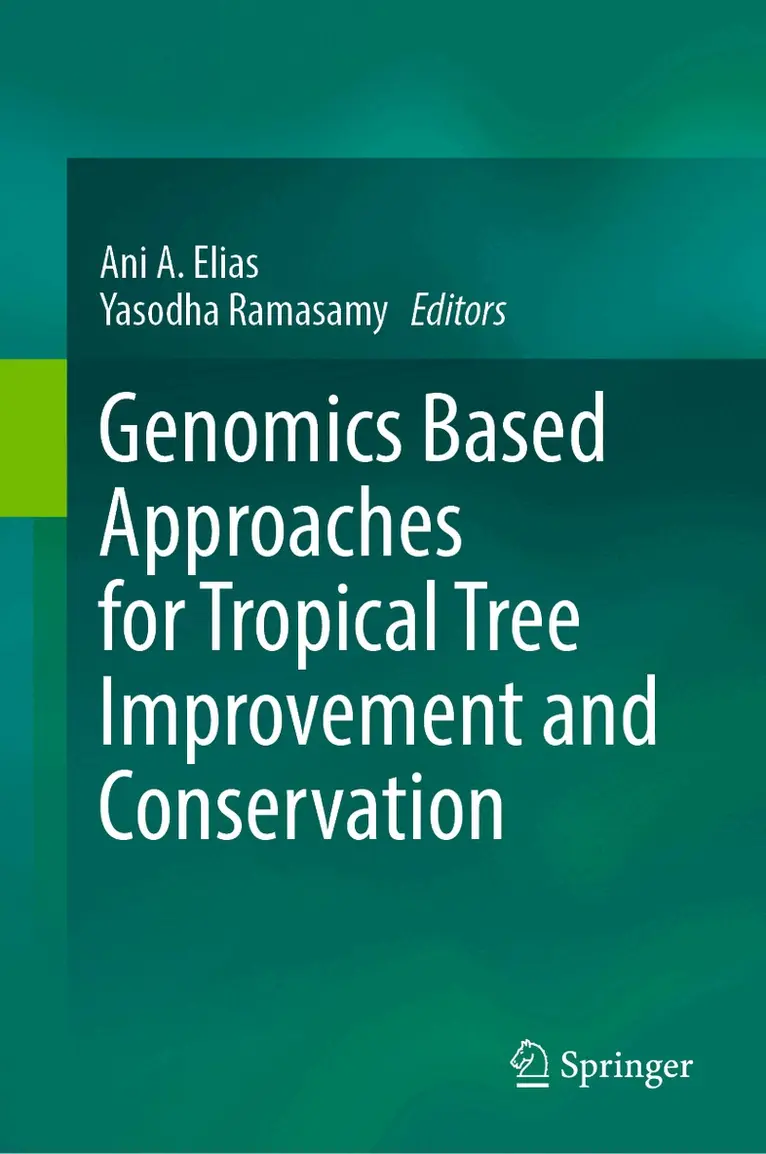
Genomics Based Approaches for Tropical Tree Improvement and Conservation
Av Ani A. Elias, Yasodha Ramasamy
Inbunden, 2025
1967 kr
Lägg i varukorg
This book offers foundational knowledge to advance genomic approaches in forest tree improvement and genetic resource conservation. The tropical tree breeding sector has fallen behind in genomic breeding not due to a lack of resources but rather a limited understanding and an underdeveloped genomic …
Genomics Based Approaches for Tropical Tree Improvement and Conservation
Av Yasodha Ramasamy, Ani A. Elias
E-bok, 2025
2517 kr
Lägg i varukorg
This book offers foundational knowledge to advance genomic approaches in forest tree improvement and genetic resource conservation. The tropical tree breeding sector has fallen behind in genomic breeding not due to a lack of resources but rather a limited understanding and an underdeveloped genomic …
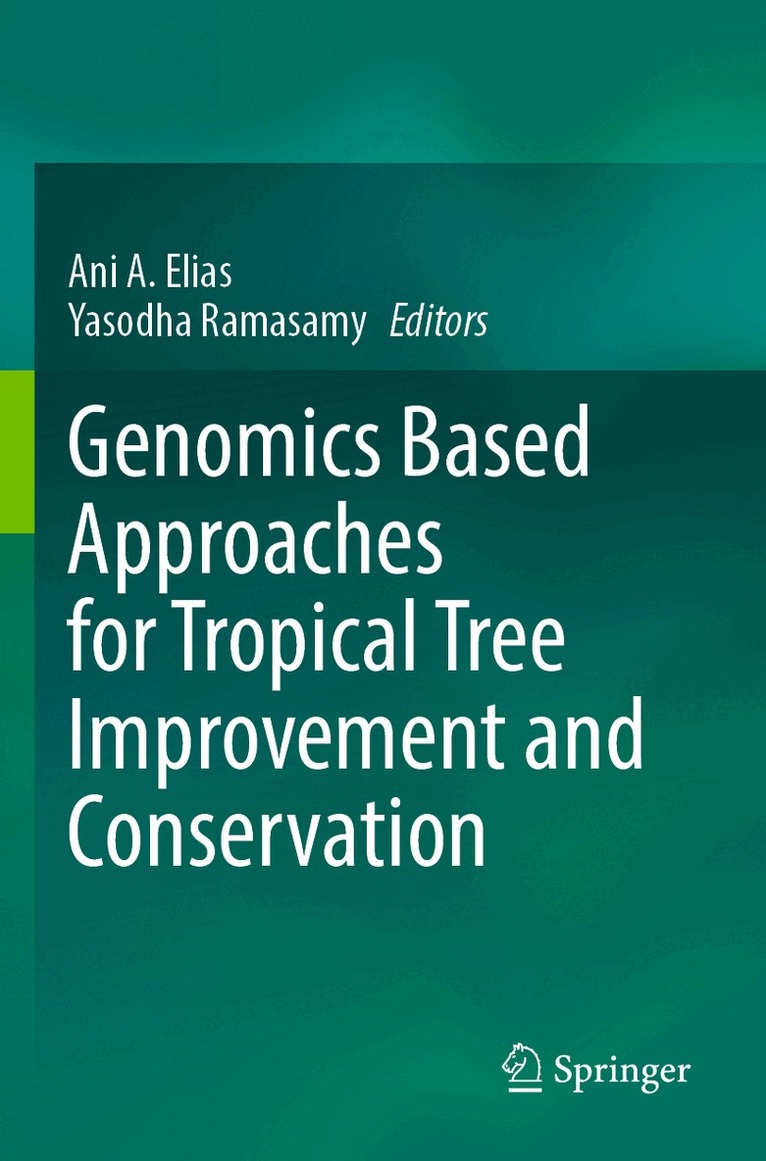
Genomics Based Approaches for Tropical Tree Improvement and Conservation
Av Ani A. Elias, Yasodha Ramasamy
Häftad, 2026
1967 kr
Lägg i varukorg
This book offers foundational knowledge to advance genomic approaches in forest tree improvement and genetic resource conservation. The tropical tree breeding sector has fallen behind in genomic breeding not due to a lack of resources but rather a limited understanding and an underdeveloped genomic …