Ann Genovese – författare
Visar alla böcker från författaren Ann Genovese. Handla med fri frakt och snabb leverans.
9 produkter
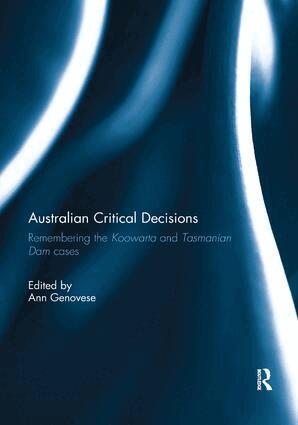
Australian Critical Decisions
Remembering Koowarta and Tasmanian Dams
Av Ann Genovese
Häftad, 2018
690 kr
Lägg i varukorg
The 1980s was a time of significant social, political and cultural change. In Australia, the law was pivotal to these changes. The two High Court cases that this book explores – Koowarta v Bjelke-Petersen (1982) and the Tasmanian Dams case (1983) – are famous legally as they marked a decisive …
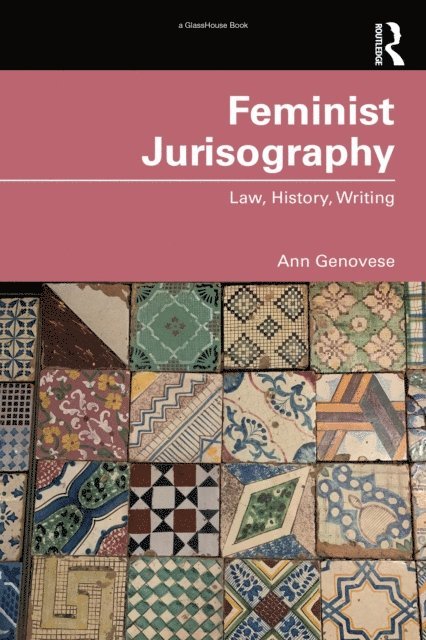
Feminist Jurisography
Law, History, Writing
Av Ann Genovese
E-bok, 2022
655 kr
Lägg i varukorg
This book offers a jurisprudential meditation on and methodological performance of how feminist and legal thought come into relation. This book is about the conduct of one’s scholarship and why it requires examination. Across six essays, the book reintroduces official and unofficial jurisprudence …
Feminist Jurisography
Law, History, Writing
Av Ann Genovese
E-bok, 2022
655 kr
Lägg i varukorg
This book offers a jurisprudential meditation on and methodological performance of how feminist and legal thought come into relation. This book is about the conduct of one’s scholarship and why it requires examination. Across six essays, the book reintroduces official and unofficial jurisprudence …
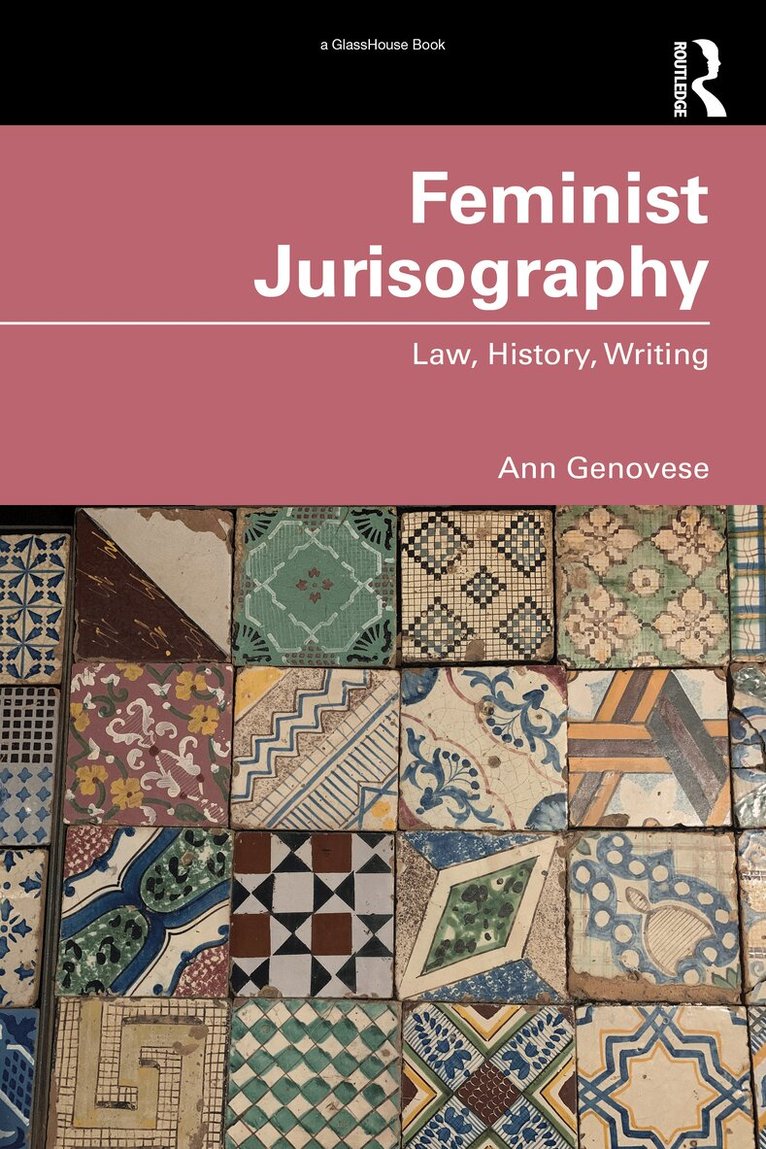
Feminist Jurisography
Law, History, Writing
Av Ann Genovese
Häftad, 2022
637 kr
Lägg i varukorg
This book offers a jurisprudential meditation on and methodological performance of how feminist and legal thought come into relation. This book is about the conduct of one’s scholarship and why it requires examination.Across six essays, the book reintroduces official and unofficial jurisprudence …
Feminist Jurisography
Law, History, Writing
Av Ann Genovese
Inbunden, 2022
2197 kr
Lägg i varukorg
This book offers a jurisprudential meditation on and methodological performance of how feminist and legal thought come into relation. This book is about the conduct of one’s scholarship and why it requires examination.Across six essays, the book reintroduces official and unofficial jurisprudence …
Australian Critical Decisions
Remembering Koowarta and Tasmanian Dams
Av Ann Genovese
Inbunden, 2016
2311 kr
Lägg i varukorg
The 1980s was a time of significant social, political and cultural change. In Australia, the law was pivotal to these changes. The two High Court cases that this book explores – Koowarta v Bjelke-Petersen (1982) and the Tasmanian Dams case (1983) – are famous legally as they marked a decisive …
Australian Critical Decisions
Remembering Koowarta and Tasmanian Dams
Av Ann Genovese
E-bok, 2018
864 kr
Lägg i varukorg
The 1980s was a time of significant social, political and cultural change. In Australia law was pivotal to these changes. The two High Court cases that this book explores- Koowarta v Bjelke-Petersen in 1982 and the Tasmanian Dams case in 1983- are famous legally as they marked a decisive reckoning …
Australian Critical Decisions
Remembering Koowarta and Tasmanian Dams
Av Ann Genovese
E-bok, 2018
883 kr
Lägg i varukorg
The 1980s was a time of significant social, political and cultural change. In Australia law was pivotal to these changes. The two High Court cases that this book explores- Koowarta v Bjelke-Petersen in 1982 and the Tasmanian Dams case in 1983- are famous legally as they marked a decisive reckoning …