Anna Andreevna Akhmatova - Böcker
Visar alla böcker från författaren Anna Andreevna Akhmatova. Handla med fri frakt och snabb leverans.
4 produkter
4 produkter
266 kr
Skickas inom 5-8 vardagar
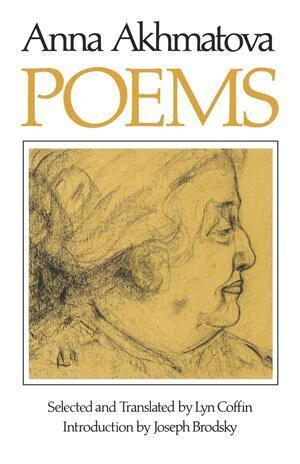
Ever since her death in 1966 Anna Akhmatova has been recognized as the greatest modern Russian poet. A rich and representative selection of Akhmatova’s work—from her poignant, deeply personal love poems to her haunting laments for the martyrs of the Stalinist purges—has been newly translated by the American poet Lyn Coffin. In her finely crafted translations Coffin has been uniquely successful in reproducing the directness and striking effects characteristic of Akhmatova’s poetry, and she is the first to remain true to Akhmatova’s rhyme and cadence. The poems are prefaced by a thoughtful introduction by the poet Joseph Brodsky, a friend of Akhmatova in her later years.
249 kr
Skickas inom 3-6 vardagar
469 kr
Skickas inom 3-6 vardagar
239 kr
Skickas
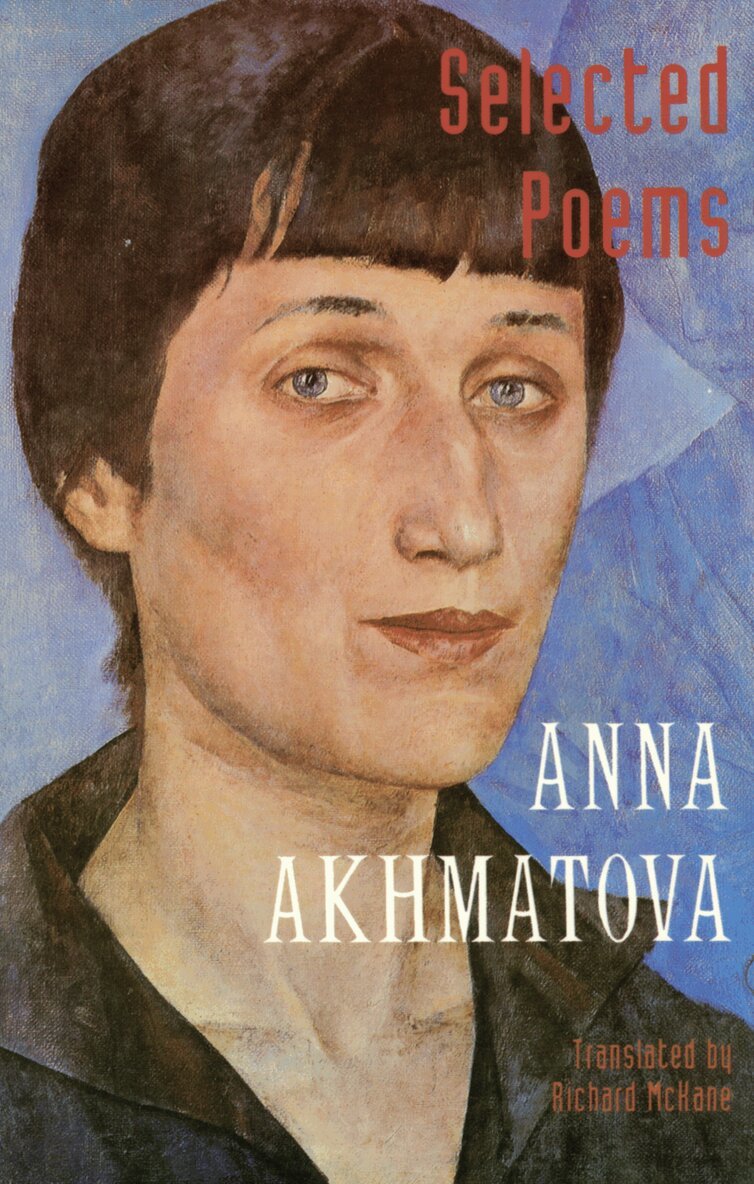
This comprehensive edition of Russia's greatest modern poet, Anna Akhmatova (1899-1966), includes the complete texts of her major works Requiem, commemorating all of Stalin's victims, and Poem Without a Hero. Akhmatova published her first book of poems in 1912, and in the same year founded the Acmeist movement with her husband, the poet Gumilev. Her intense, highly personal love lyrics were later attacked as anti-revolutionary, and in 1925 her poetry was banned. Gumilev was shot in 1921 for alleged involvement in an anti-Bolshevik plot, and in the years of terror which followed under Stalin, Akhmatova was persecuted for her work along with fellow poets Mandelstam, who died in a camp, and Tsvetaeva, who committed suicide. She was able to publish some work during the war, but in 1946 she again came under attack, this time from Zhdanov, who denounced her with Pasternak and others for trying to ‘poison the minds’ of Soviet youth. These were attacks on her published work. What she was writing – but could not publish – was far more dangerous. For she had entered her years of silence. As she fought for her son’s release from prison, she was writing her greatest poetry: the cycle Requiem, which commemorated all of Stalin’s victims, and Poem without a hero, which she began in 1940 and worked on for over 20 years. All she wrote she committed to memory. Several trusted friends also memorised her poems, among them Mandelstam’s widow Nadezhda. She wrote nothing down, and so survived, the people’s conscience, the one who kept 'the great Russian word' alive.