Anna Bentkowska-Kafel – författare
Visar alla böcker från författaren Anna Bentkowska-Kafel. Handla med fri frakt och snabb leverans.
10 produkter
Paradata and Transparency in Virtual Heritage
Av Anna Bentkowska-Kafel, Hugh Denard
Inbunden, 2012
2594 kr
Lägg i varukorg
Computer-Generated Images (CGIs) are widely used and accepted in the world of entertainment but the use of the very same visualization techniques in academic research in the Arts and Humanities remains controversial. The techniques and conceptual perspectives on heritage visualization are a subject …
Paradata and Transparency in Virtual Heritage
Av Anna Bentkowska-Kafel, Hugh Denard
Häftad, 2016
940 kr
Lägg i varukorg
Computer-Generated Images (CGIs) are widely used and accepted in the world of entertainment but the use of the very same visualization techniques in academic research in the Arts and Humanities remains controversial. The techniques and conceptual perspectives on heritage visualization are a subject …
Paradata and Transparency in Virtual Heritage
Av Hugh Denard, Anna Bentkowska-Kafel
E-bok, 2016
1082 kr
Lägg i varukorg
Computer-Generated Images (CGIs) are widely used and accepted in the world of entertainment but the use of the very same visualization techniques in academic research in the Arts and Humanities remains controversial. The techniques and conceptual perspectives on heritage visualization are a subject …
Paradata and Transparency in Virtual Heritage
Av Hugh Denard, Anna Bentkowska-Kafel
E-bok, 2016
1106 kr
Lägg i varukorg
Computer-Generated Images (CGIs) are widely used and accepted in the world of entertainment but the use of the very same visualization techniques in academic research in the Arts and Humanities remains controversial. The techniques and conceptual perspectives on heritage visualization are a subject …
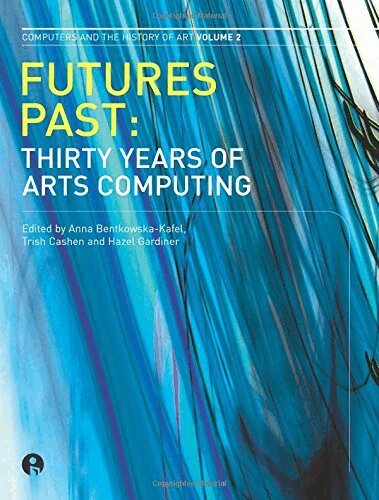
Futures Past
Thirty Years of Arts Computing
Av Anna Bentkowska-Kafel, Trish Cashen m. fl.
Häftad, 2008
501 kr
Lägg i varukorg
Eleven contributors to this volume reflect upon the unprecedented ways in which digital media have been transforming art practice, study and education. The authors – researchers, teachers, custodians of art collections and picture libraries, and an artist – cover a wide range of issues, arguing for …
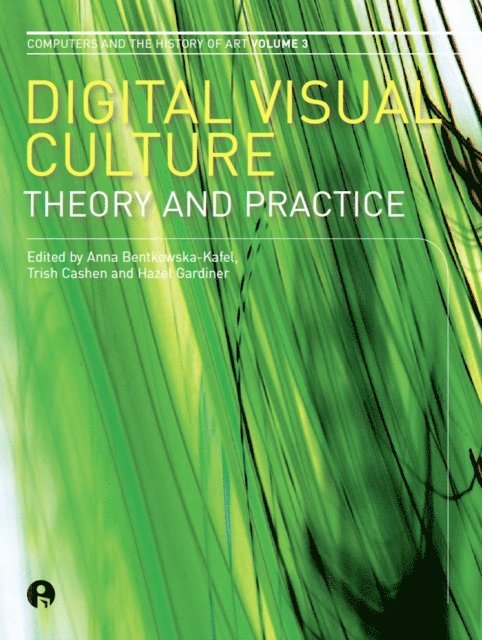
Digital Visual Culture
Theory and Practice
Av Hazel Gardiner, Anna Bentkowska-Kafel
E-bok, 2009
315 kr
Lägg i varukorg
Digital creativity is boundless. Art practitioners and scholars continue to explore what technology has to offer and practice-based research is redefining their disciplines. What happens when an artist experiments with bio-scientific data and discovers something the scientists failed to notice? How …
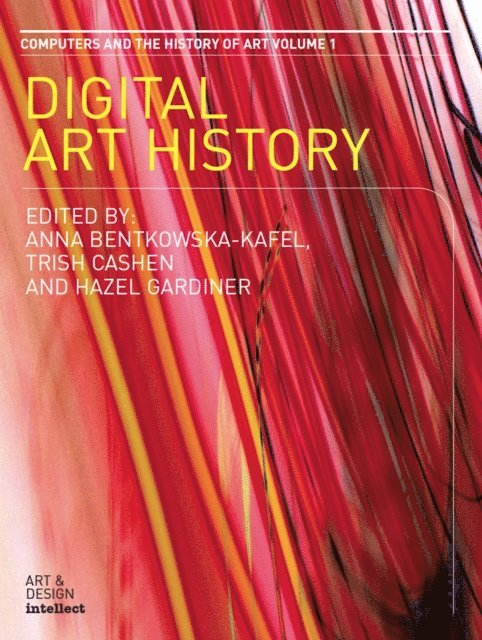
Digital Art History
A Subject in Transition. Computers and the History of Art Series, Volume 1
Av Hazel Gardiner, Trish Cashen m. fl.
E-bok, 2005
315 kr
Lägg i varukorg
This book looks at the transformation that Art and Art history is undergoing through engagement with the digital revolution. Since its initiation in 1985, CHArt (Computers and the History of Art) has set out to promote interaction between the rapidly developing new Information Technology and the …
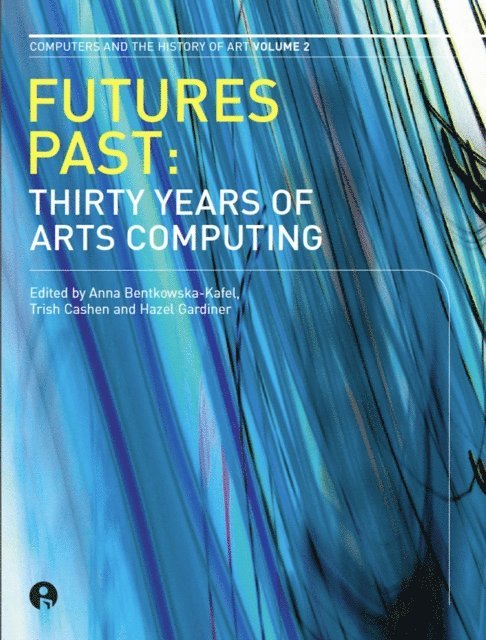
Futures Past
Thirty Years of Arts Computing
Av Hazel Gardiner, Trish Cashen m. fl.
E-bok, 2007
504 kr
Lägg i varukorg
Eleven contributors to this volume reflect upon the unprecedented ways in which digital media have been transforming art practice, study and education. The authors – researchers, teachers, custodians of art collections and picture libraries, and an artist – cover a wide range of issues, arguing for …
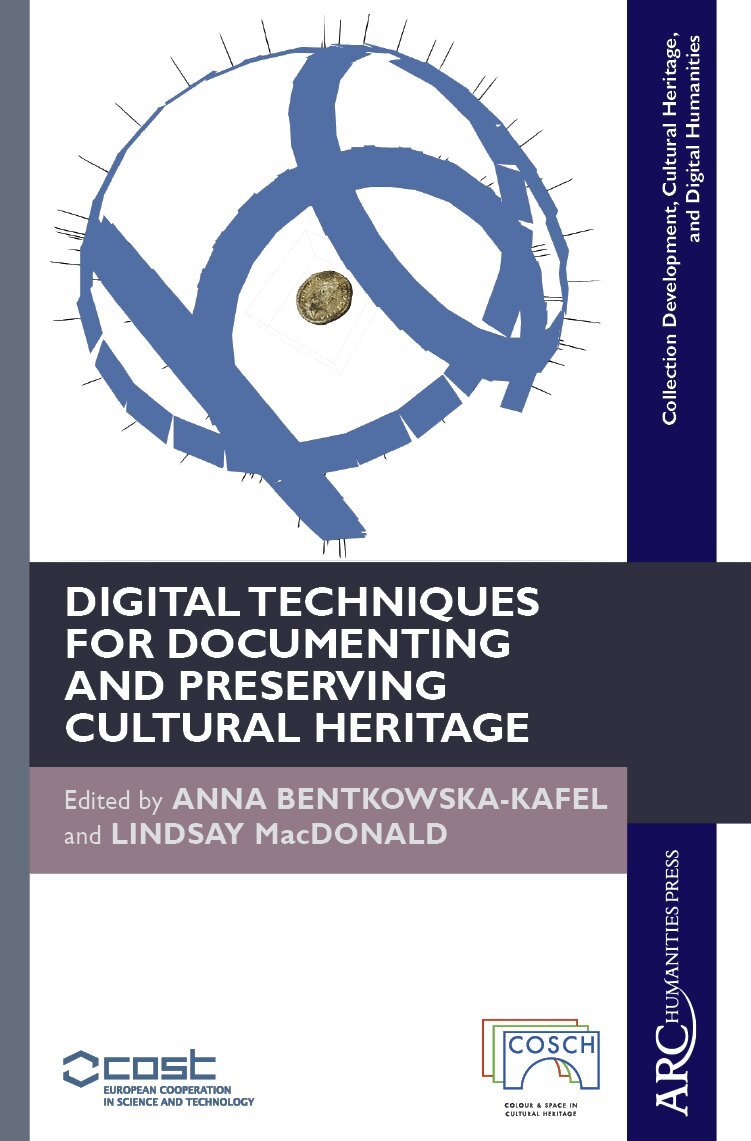
Digital Techniques for Documenting and Preserving Cultural Heritage
Av Anna Bentkowska-Kafel, Lindsay MacDonald
Inbunden, 2018
2818 kr
Lägg i varukorg
In this unique collection the authors present a wide range of interdisciplinary methods to study, document, and conserve material cultural heritage. The methods used serve as exemplars of best practice with a wide variety of cultural heritage objectshaving been recorded, examined, and visualised. …
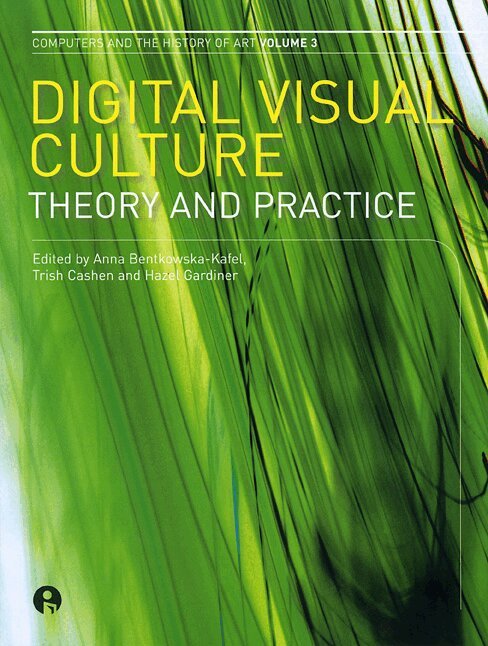
Digital Visual Culture
Theory and Practice
Av Anna Bentkowska-Kafel, Hazel Gardiner m. fl.
Häftad, 2009
363 kr
Tillfälligt slut
Digital creativity is boundless. Art practitioners and scholars continue to explore what technology has to offer and practice-based research is redefining their disciplines. What happens when an artist experiments with bio-scientific data and discovers something the scientists failed to notice? How …