Anna Blasiak - Böcker
Visar alla böcker från författaren Anna Blasiak. Handla med fri frakt och snabb leverans.
4 produkter
4 produkter
170 kr
Skickas
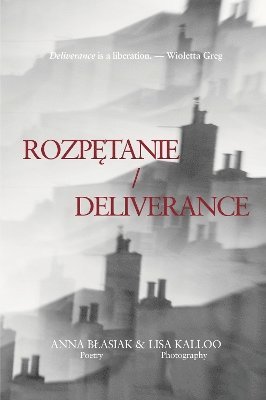
English-Polish volume of 27 poems by AnnaBlasiak with 27 photographs by Lisa Kalloo It isn't exaggeration to say Deliverance is pioneering; it is a book of design,of illustration, a collaboration built upon a dynamic exchange across mediums;a collection of photopoetry, of image and poem, each elevating the other; allspeaking with immediacy to what can be gleaned from personal experience. - SJ Fowler, poet, writer, organiser ofEuropean Poetry Festival in the UKAnnaBlasiak's poetry book has kicked me where ithurts. These are moving poems about discrimination on many levels, but alsoabout love and finding oneself. Deliverance is a liberation, an unmasking, beautifully complementedby Lisa Kalloo's photographic collages. - Wioletta Greg, poet, novelist, longlistedfor the Man Booker International Prize (2017) and shortlisted to the GriffinPoetry Prize (2015) Aseries of poems about growing up queer in Poland in the 1980s. Deliverancehas a narrative angle and explores themes of gender identity, LGBTQ rights,coming out, homophobia, women's rights etc, at the same time being mainly basedon the author's family/societal history/background. The book has been writtenbilingually, in Polish and in English. The idea is that a reader can read eachpoem in either of the languages or in both of them simultaneously. The authorhas been exploring different techniques to achieve this result: mirroring,intertwining, playing on sounds in both languages. This is her attempt ofshowing the reality of somebody living between the languages, sometimesstretched between them - of somebody who, originally from Poland, haslived in the UK for over 20 years and who, as a translator, works in both ofthose languages on everyday basis.
Cafe by Wren's St James-in-the-Fields, Lunchtime
Kawiarnia przy St James's Wrena w porze lunchu
Häftad, 2020
181 kr
Tillfälligt slut
This book has collaboration and translation at its heart: between people, words and images, languages, cultures. The poems came first, in Polish. Then came the photographic response to them. Then four translators, MARTA DZIUROSZ, MARIA JASTRZEBSKA, DANUSIA STOK and ELZBIETA WOJCIK-LEESE, took a set of 12 or 13 poems each and translated them into English. All people involved were women: the poet, the photographer, the four translators and the two editors. Together they arrived at 51 Polish poems, 51 English poems and 51 photographs making this collection. They raise themes such as cultural identity and migration, queerness, racism, isolation and family memories.
157 kr
Skickas
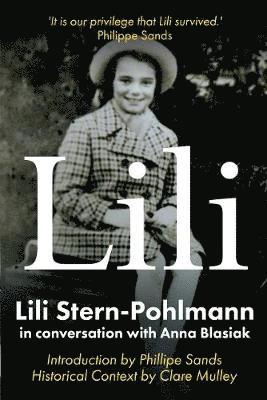
The story of Lili Pohlmann's childhood and survival. During the Second World War she was helped by many people, including a German woman working for the Nazi occupying forces in Lemberg, and a Greek Catholic Metropolitan Archbishop. After the war Lili came to London in the first transport of Jewish children from Poland.
123 kr
Tillfälligt slut
This is the story of Lili Pohlmann's incredible childhood and survival. During the Second World War she was helped by many people, sometimes by simply 'looking the other way'; but of especial significance were two remarkable non-Jews: a German woman working for the Nazi occupying forces in Lemberg, and a Greek Catholic Metropolitan Archbishop. After the war Lili came to London in the first of three transports of Jewish children from Poland. She arrived in the British capital on her sixteenth birthday. She still lives in London.The book consists of interviews with Lili, revealing her own voice, which is vivid, colourful and engaging. The conversations focus on Lili's childhood, wartime experiences, her arrival in London and years shortly after the war. They are accompanied by historical commentaries, as well as more personal pieces from the author, Anna Blasiak, framing and contrasting Lili's story and experiences with the story of somebody from a different generation, growing up years after the war in Poland, a place where the vanished Jews left a painful, gaping hole.Introduction by Philippe SandsHistorical Context by Clare MulleyIllustrated with photographs throughout