Anna Krakus – författare
Visar alla böcker från författaren Anna Krakus. Handla med fri frakt och snabb leverans.
2 produkter
2 produkter
E-bok
Engelska, 2018940 kr
Läs direkt efter köp
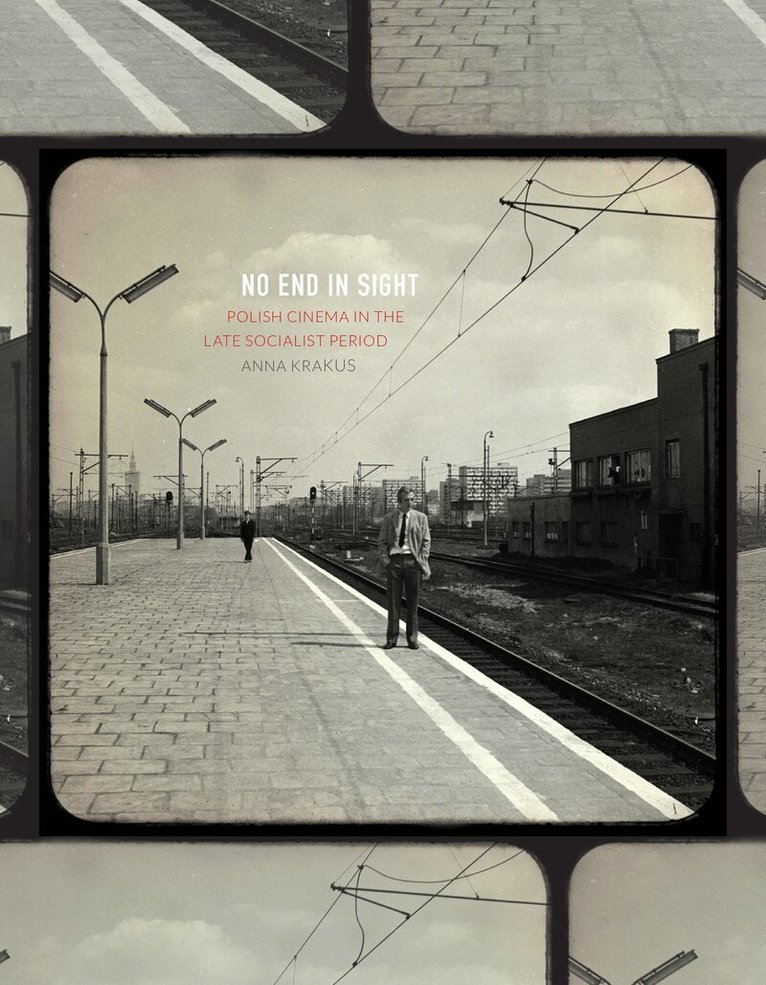
No End in Sight offers a critical analysis of Polish cinema and literature during the transformative late Socialist period of the 1970s and 1980s. Anna Krakus details how conceptions of time, permanence, and endings shaped major Polish artistic works. She further demonstrates how film and literature played a major role in shaping political consciousness during this highly-charged era. Despite being controlled by an authoritarian state and the doctrine of socialism, artists were able to portray the unsettled nature of the political and psychological climate of the period, and an undetermined future.In analyzing films by Andrzej Wajda, Krzysztof Kieslowsi, Krzysztof Zanussi, Wojciech Has, and Tadeusz Konwicki alongside Konwicki’s literary production, Anna Krakus identifies their shared penchant to defer or completely eschew narrative closure, whether in plot, theme, or style. Krakus calls this artistic tendency "aesthetic unfinalizability." As she reveals, aesthetic unfinalizability was far more than an occasional artistic preference or a passing trend; it was a radical counterpolitical act. The obsession with historical teleology saturated Polish public life during socialism to such a degree that instances of nonclosure or ambivalent endings emerged as polemical responses to official ideology.
Del 35 - Rochester Studies in East and Central Europe
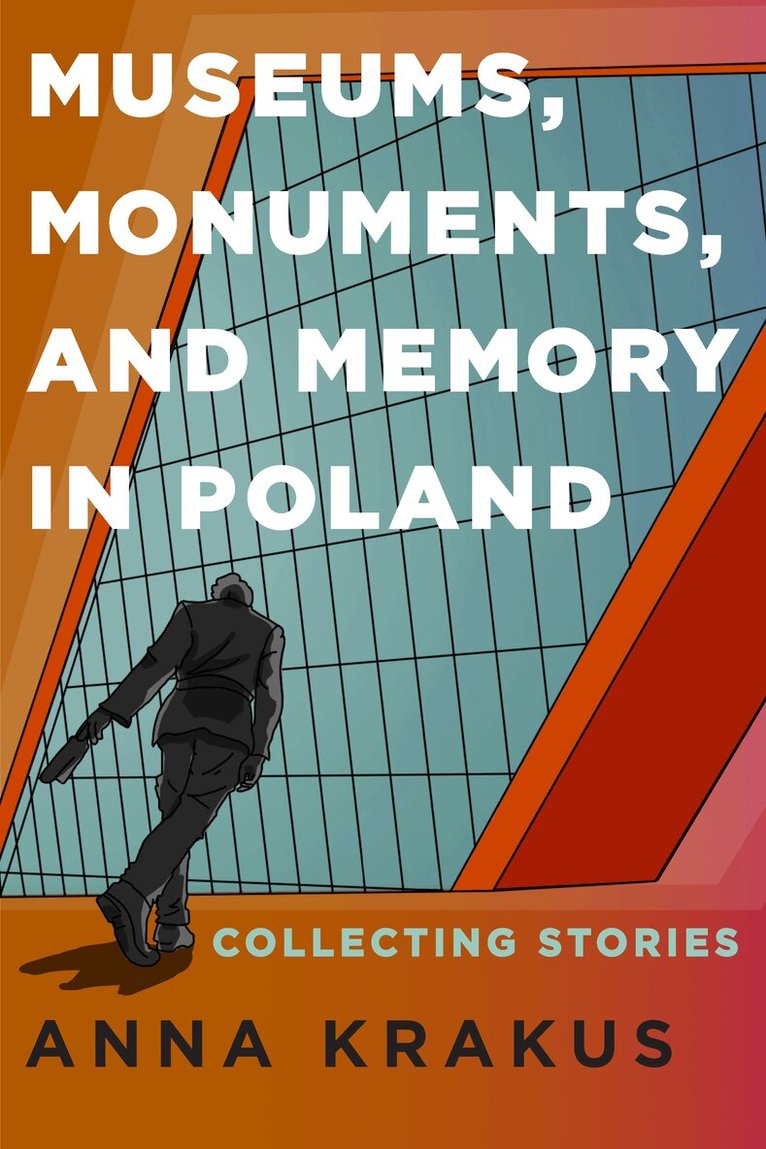
Museums, Monuments, and Memory in Poland
Collecting Stories
Inbunden, Engelska, 2026
1 243 kr
Skickas inom 5-8 vardagar
Demonstrates how museums, public monuments and private collections in Poland generate competing interpretations of the past-particularly the Holocaust. Highlights political tensions and offers universal insights into the power of curated memory.Even before the Museum of the Second World War in Gdańsk opened its doors to the public in 2017, its exhibits sparked fierce political debate in the Polish parliament. It was attacked for being "cosmopolitan" and for lacking "a Polish point of view." Museums, Monuments, and Memory in Poland offers a wide-ranging examination of how contemporary Poland uses collections-public museums, monuments arranged as archives of memory, and private accumulations-to shape ideological narratives. The book argues that such collections, whether state-curated or deeply personal, reveal how historical memory is constructed, contested, and deployed in today's polarized political landscape. Rooted in intellectual history, this work engages with Polish history and ongoing debates about the memory of the Holocaust. It also offers a universal reflection on how museums, public spaces, objects, and narratives carry ideological potential far beyond Poland's borders.Beginning with the first museum created on Polish soil and ending with the newest, the book examines museums and monuments as narratives and the possibility that objects speak independently of curatorial intent. It finally turns to the psychology of collecting, from private art collections to filmmakers' personal archives.The study reveals both elements of Polish exceptionalism and broader truths about how societies tell their stories through the collections they curate.