Anne Sarah Rubin – författare
Visar alla böcker från författaren Anne Sarah Rubin. Handla med fri frakt och snabb leverans.
12 produkter
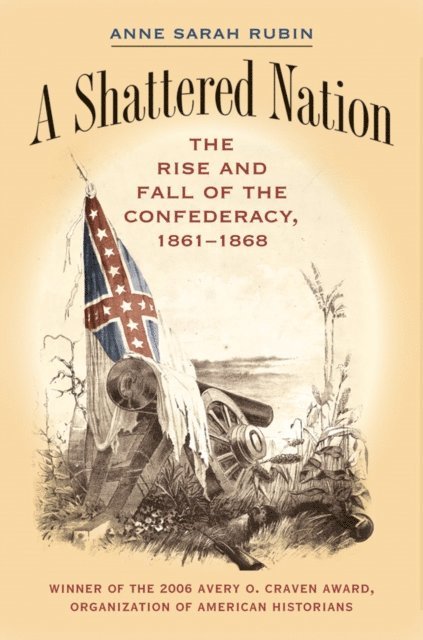
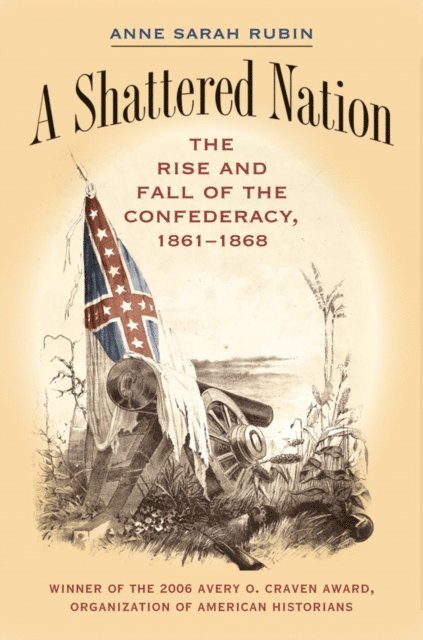
Shattered Nation
The Rise and Fall of the Confederacy, 1861-1868
Häftad, 2007
372 kr
Lägg i varukorg
Historians often assert that Confederate nationalism had its origins in pre-Civil War sectional conflict with the North, reached its apex at the start of the war, and then dropped off quickly after the end of hostilities. Anne Sarah Rubin argues instead that white Southerners did not actually begin …
Shattered Nation
The Rise and Fall of the Confederacy, 1861-1868
E-bok, 2009
250 kr
Lägg i varukorg
Historians often assert that Confederate nationalism had its origins in pre–Civil War sectional conflict with the North, reached its apex at the start of the war, and then dropped off quickly after the end of hostilities. Anne Sarah Rubin argues instead that white Southerners did not actually begin …
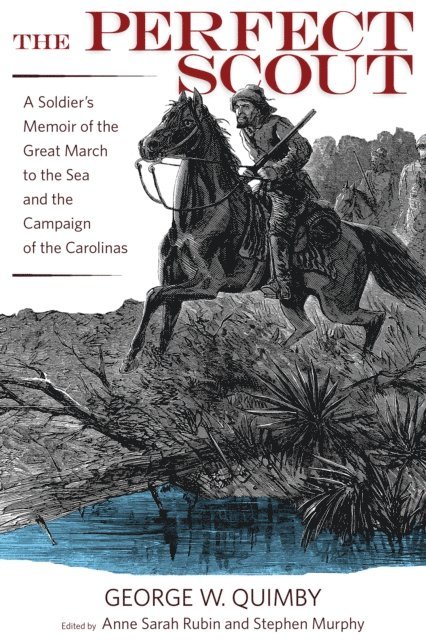
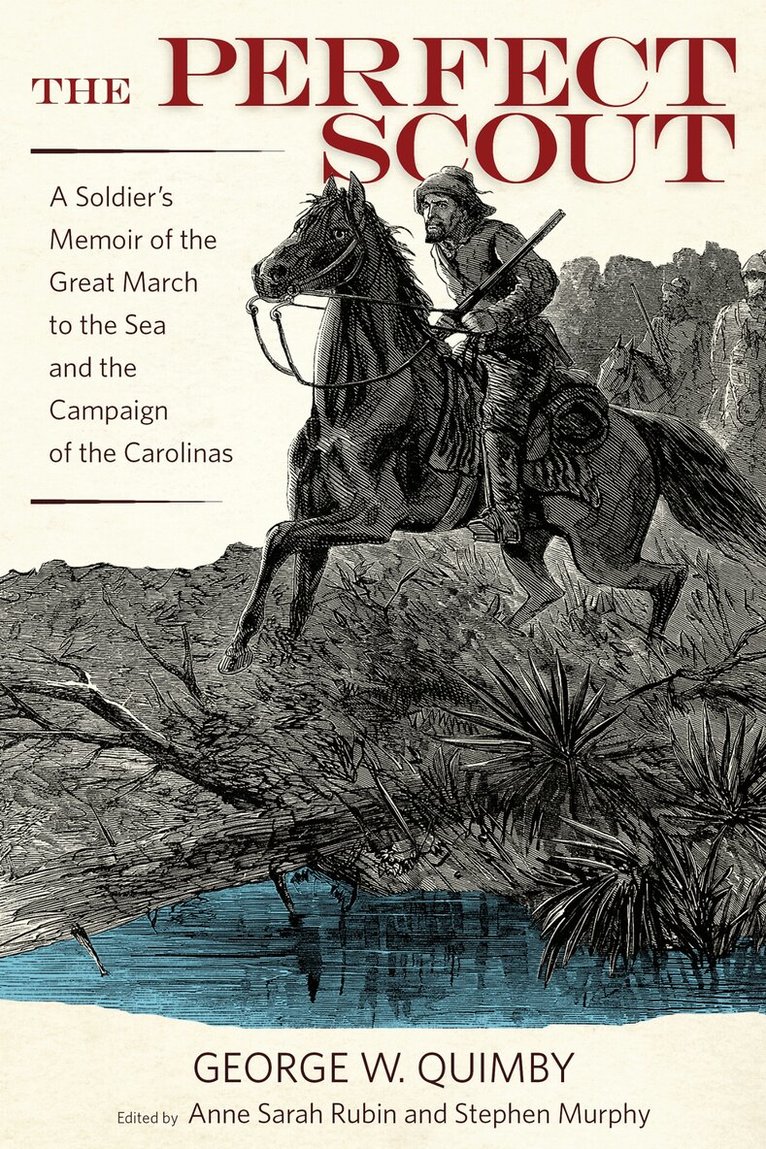
Perfect Scout
A Soldier’s Memoir of the Great March to the Sea and the Campaign of the Carolinas
Av George W. Quimby, Stephen Murphy m. fl.
E-bok, 2018
454 kr
Lägg i varukorg
A rare and dramatic first-person account by a Union scout who served General William Tecumseh Sherman on his “march to the sea” After his father-in-law passed away, Stephen Murphy found, among the voluminous papers left behind, an ancestral memoir. Murphy quickly became fascinated with the …
Shattered Nation
The Rise and Fall of the Confederacy, 1861-1868
E-bok, 2009
1766 kr
Lägg i varukorg
Historians often assert that Confederate nationalism had its origins in pre-Civil War sectional conflict with the North, reached its apex at the start of the war, and then dropped off quickly after the end of hostilities. Anne Sarah Rubin argues instead that white Southerners did not actually begin …
Through the Heart of Dixie
Sherman''s March and American Memory
E-bok, 2014
268 kr
Lägg i varukorg
Sherman''s March, cutting a path through Georgia and the Carolinas, is among the most symbolically potent events of the Civil War. In Through the Heart of Dixie, Anne Sarah Rubin uncovers and unpacks stories and myths about the March from a wide variety of sources, including African Americans, …
Through the Heart of Dixie
Sherman''s March and American Memory
E-bok, 2014
981 kr
Lägg i varukorg
Sherman’s March, cutting a path through Georgia and the Carolinas, is among the most symbolically potent events of the Civil War. In Through the Heart of Dixie , Anne Sarah Rubin uncovers and unpacks stories and myths about the March from a wide variety of sources, including African Americans, …
Through the Heart of Dixie
Sherman's March and American Memory
Häftad, 2017
400 kr
Lägg i varukorg
Sherman's March, cutting a path through Georgia and the Carolinas, is among the most symbolically potent events of the Civil War. In Through the Heart of Dixie, Anne Sarah Rubin uncovers and unpacks stories and myths about the March from a wide variety of sources, including African Americans, …
Through the Heart of Dixie
Sherman's March and American Memory
E-bok, 2014
236 kr
Lägg i varukorg
Shermans March, cutting a path through Georgia and the Carolinas, is among the most symbolically potent events of the Civil War. In Through the Heart of Dixie, Anne Sarah Rubin uncovers and unpacks stories and myths about the March from a wide variety of sources, including African Americans, women, …
Through the Heart of Dixie
Sherman''s March and American Memory
E-bok, 2014
981 kr
Lägg i varukorg
Sherman’s March, cutting a path through Georgia and the Carolinas, is among the most symbolically potent events of the Civil War. In Through the Heart of Dixie , Anne Sarah Rubin uncovers and unpacks stories and myths about the March from a wide variety of sources, including African Americans, …
Shattered Nation
The Rise and Fall of the Confederacy, 1861-1868
E-bok, 2009
250 kr
Lägg i varukorg
Historians often assert that Confederate nationalism had its origins in pre–Civil War sectional conflict with the North, reached its apex at the start of the war, and then dropped off quickly after the end of hostilities. Anne Sarah Rubin argues instead that white Southerners did not actually begin …
Shattered Nation
The Rise and Fall of the Confederacy, 1861-1868
E-bok, 2009
1766 kr
Lägg i varukorg
Historians often assert that Confederate nationalism had its origins in pre–Civil War sectional conflict with the North, reached its apex at the start of the war, and then dropped off quickly after the end of hostilities. Anne Sarah Rubin argues instead that white Southerners did not actually begin …
Perfect Scout
A Soldier's Memoir of the Great March to the Sea and the Campaign of the Carolinas
Av George W. Quimby, Anne Sarah Rubin m. fl.
Inbunden, 2018
365 kr
Tillfälligt slut
A rare and dramatic first-person account by a Union scout who served General William Tecumseh Sherman on his “march to the sea.”After his father-in-law passed away, Stephen Murphy found, among the voluminous papers left behind, an ancestral memoir. Murphy quickly became fascinated with the …