Anthony Harriott - Böcker
Visar alla böcker från författaren Anthony Harriott. Handla med fri frakt och snabb leverans.
5 produkter
5 produkter
488 kr
Skickas inom 10-15 vardagar
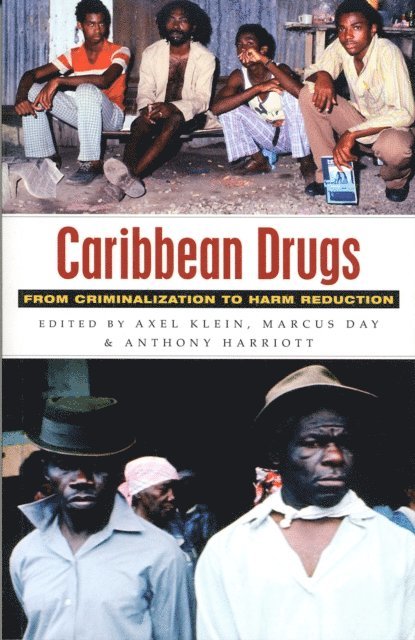
The Caribbean poses a significant drugs problem for the UKand the US, as the recent phenomenon of yardie gangs in British citiesgraphically illustrates. But in the islands themselves ganja, crack cocaine andthe policies to control them have become, as this book demonstrates, averitable social disaster. The authors, who are among the leading localresearchers and engaged professionals in the region as well as the formerregional head of the UN Drugs Control Programme, bring together new researchinvestigations, insightful policy analysis and practical experience ofon-the-ground interventions putting demand reduction into practice.The dimensions of the illicit drugs market in the Caribbeanare made clear. The origins of the problem lie in part, it is argued, with theimpact of neoliberal economic policies that have opened up the region's bordersand gravely undermined its traditional sources of employment and exports, like bananasand sugar. The islands, in part under external US pressure, have adopted aregion-wide policy of criminalization This has involved the creation of specializeddrug courts and serious human and social consequences as a result ofcriminalizing traditional cultural practices around ganja consumption.Fascinating light is thrown on the difficulties facing drugabuse and rehabilitation centres and the dilemmas they throw up. Harm reductionas a fundamentally alternative approach to the drugs problem is also explored. Thisis the first book to examine the experiences of Caribbean countries since theyadopted a coordinated approach to the drugs problem. There are valuable lessonsto be learned at both policy and practical levels for other countries, and inparticular those like the UK and US with large Caribbean populations.
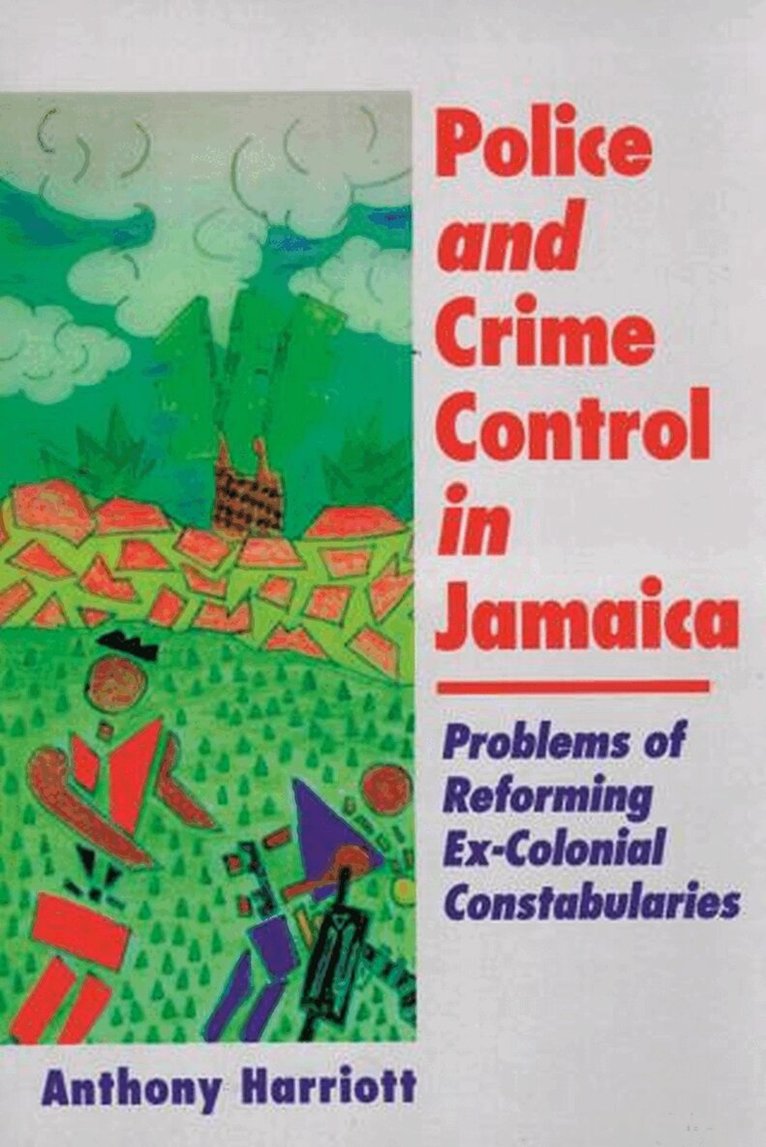
Police and Crime Control in Jamaica
Problems of Reforming Ex-Colonial Constabularies
Häftad, Engelska, 2000
380 kr
Skickas inom 10-15 vardagar
Police and Crime Control in Jamaica is a valuable addition to the sparse literature on policing in developing states, and is the first study of its kind on a police force in a Caribbean territory. The work examines the extent and sources of police ineffectiveness in controlling crime. It assesses the quality of justice and declining public confidence in the criminal justice system. Police reform efforts, as well as sources of cynicism among members of the force, are analysed. This study of policing and citizen-state relations is especially relevant to the tourism-dependent countries of the Caribbean amid growing recognition of the negative impact of high rates of violent crime on these economies. This book will be much valued by students of criminology and criminal justice, especially those with an interest in the Caribbean, as well as the general reader who is concerned with issues of crime and policing.
474 kr
Skickas inom 10-15 vardagar
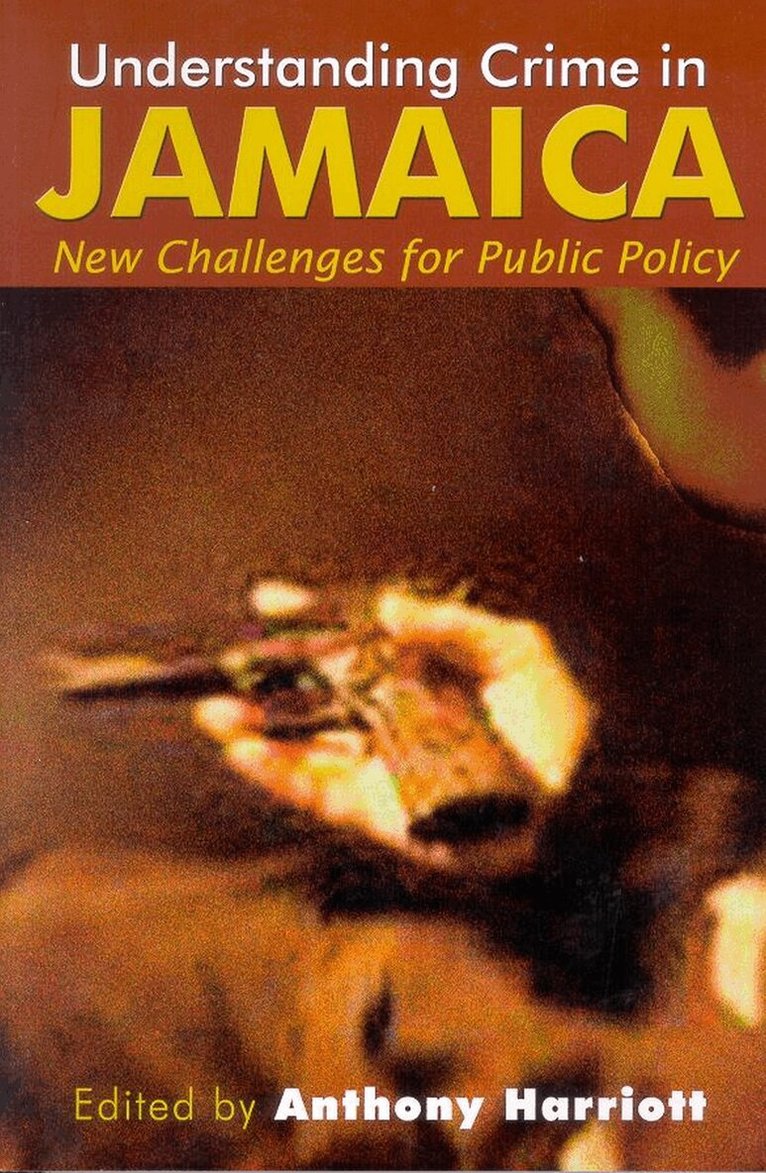
This study examines the growing crime problem in Jamaica, and explores the relationship between crime, politics and the economy and analyses the impact of crime on tourism. The articles provide a comprehensive analysis of the causes, consequences and control of crime.
474 kr
Skickas inom 10-15 vardagar
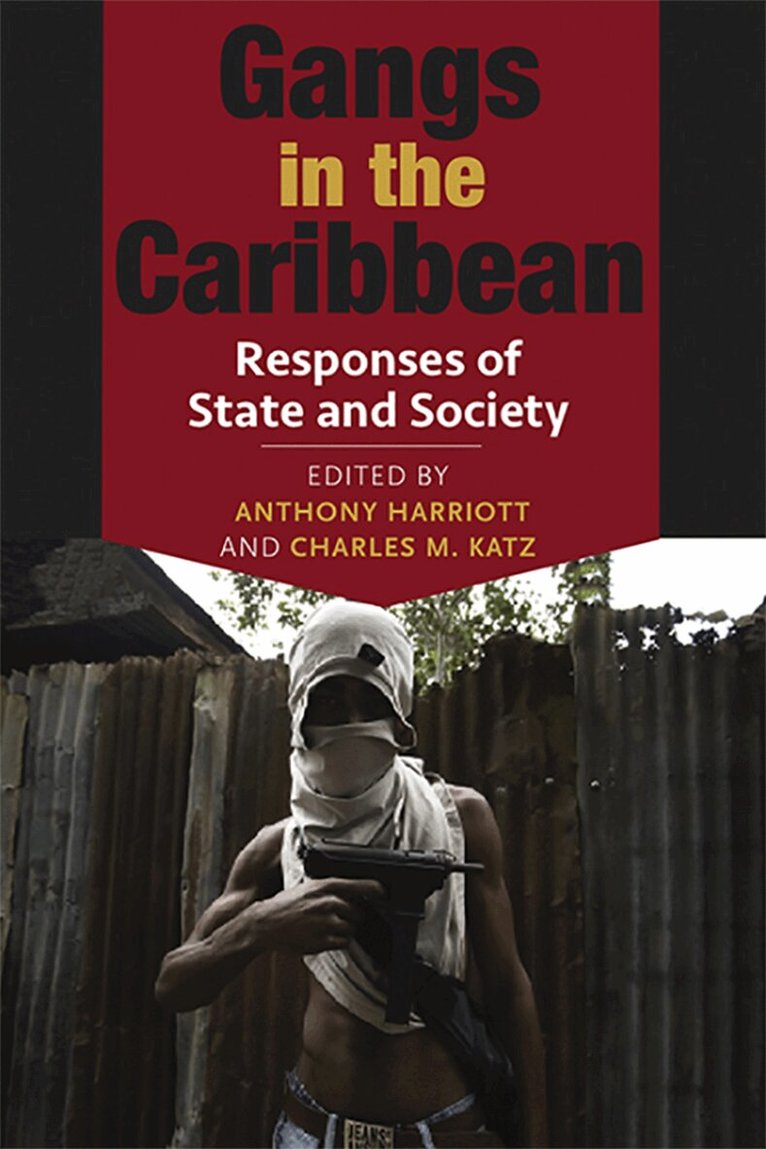
For decades, gangs have been emerging across the globe, disrupting citizen security, the rule of law, health and education, and local economies. The Caribbean, like many other regions, has a significant gang problem. Unfortunately, however, there has been limited academic attention given to the issue. Gangs in the Caribbean is intended fill this gap by providing sound research conducted by leading Caribbean criminologists that encourages thoughtful and data driven discussions between researchers and policymakers. The book is broken into two sections. Section one focuses on the scope and nature of the Caribbean gang problem. It not only provides a cutting edge description of the Caribbean’s gang problem but it also details differences between organized crime groups and street gangs, and how these differences impact the types of problems that communities face.Section two focuses on policies and programmes that have been designed and implemented to respond to Caribbean gangs, as well as what we have learned about them in terms of their effectiveness and unintended consequences. In doing so Gangs in the Caribbean provides researchers, policymakers, and students with a foundation of knowledge on a core issue confronting the Caribbean and provides these readers with a clear road map for responding to gangs in the future.
287 kr
Skickas inom 10-15 vardagar
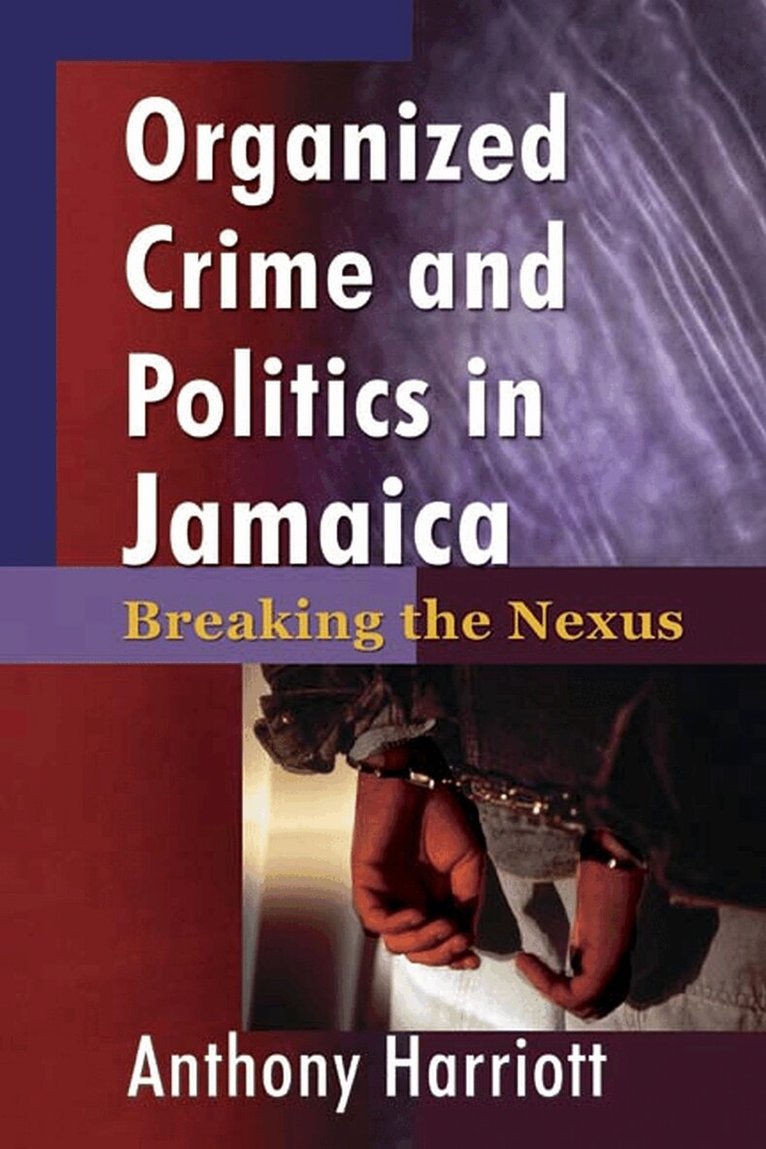
The relationship between politics and crime has stimulated the curiosities of criminologists who understand crime and political scientists who understand the nature of the political system. In this volume, an attempt is made to bridge both lines of inquiry. The nexus between politics and crime is explored by analysing the rise of organized crime in Jamaica. This book represents a dedicated attempt to treat in particular a most troubling and current expression of this nexus between politics and crime, that is, organized crime. It describes the rise of organized crime in Jamaica, its internationalization and efforts to consolidate its hold in the cities and towns of Jamaica.This development is accounted for in terms of its distinct structural roots and facilitators. The analysis is extended by further exploring two critical aspects of the problem: political corruption and party financing. The analysis of these two aspects captures the long, deep and troubling relationship between crime and politics. Discussions of crime in Jamaica are impatient of "solutions". An attempt is therefore made to press the discussion beyond an analysis of the problem, to approaches to solving it.Consequently, the book is structured such that following on from the discussion of each aspect of the problem there is a chapter that explores the broad approaches to problem solving. It is intended for a wide readership.