Antje Senarclens de Grancy – författare
Visar alla böcker från författaren Antje Senarclens de Grancy. Handla med fri frakt och snabb leverans.
3 produkter
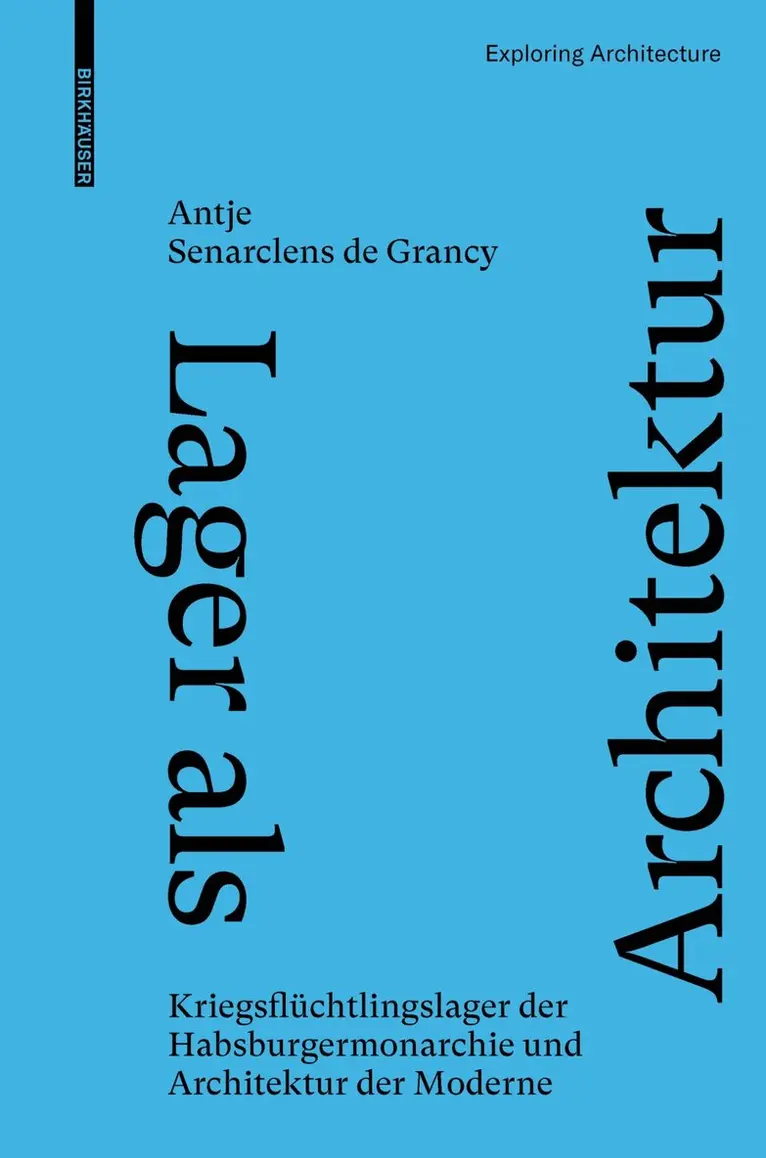
Lager Als Architektur
Kriegsflüchtlingslager Der Habsburgermonarchie Und Architektur Der Moderne
Inbunden, 2024
1058 kr
Lägg i varukorg
Since 945, camps as a form of temporary mass housing have been either ignored or discussed only in the margins of architectural history. In this book, Antje Senarclens de Grancy examines for the first time the camps built in the early 2 th century within a context of modern architecture and urban …
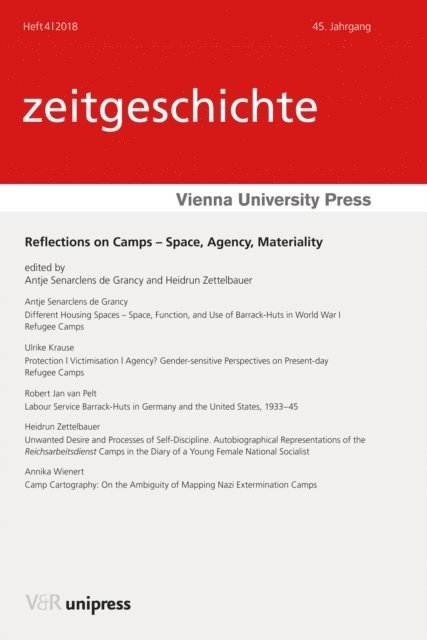
Reflections on Camps - Space, Agency, Materiality
Av Heidrun Zettelbauer, Antje Senarclens de Grancy
E-bok, 2019
263 kr
Lägg i varukorg
Camps as a global and ubiquitous mass phenomenon of the present and a flexible isolation tool for/against specific socially, politically, or ethnically defined groups are at the centre of current policies and societal debates. In the present volume, the authors explore camps as (cultural) spaces in …
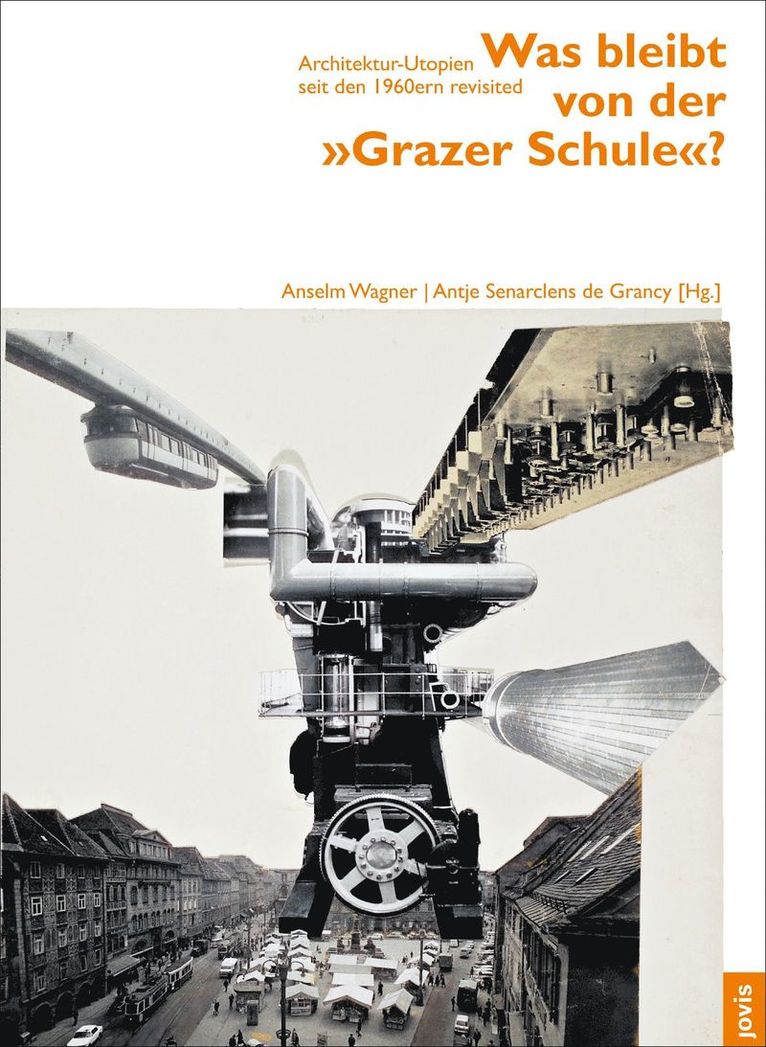
Was Bleibt Von Der „Grazer Schule"?
Architektur-Utopien Seit Den 1960ern Revisited
Av Anselm Wagner, Antje Senarclens de Grancy
Inbunden, 2012
392 kr
Tillfälligt slut
Bis heute zählt die „Grazer Schule“ zu den bekanntesten Phänomenen der österreichischen Architektur des 20. Jahrhunderts. Anders als bisherige Publikationen, die sich mehr auf die expressive, dekonstruktivistische Formensprache der „Grazer Schule“ konzentrierten, wird in der vorliegenden …