Antoine Suarez – författare
Visar alla böcker från författaren Antoine Suarez. Handla med fri frakt och snabb leverans.
9 produkter
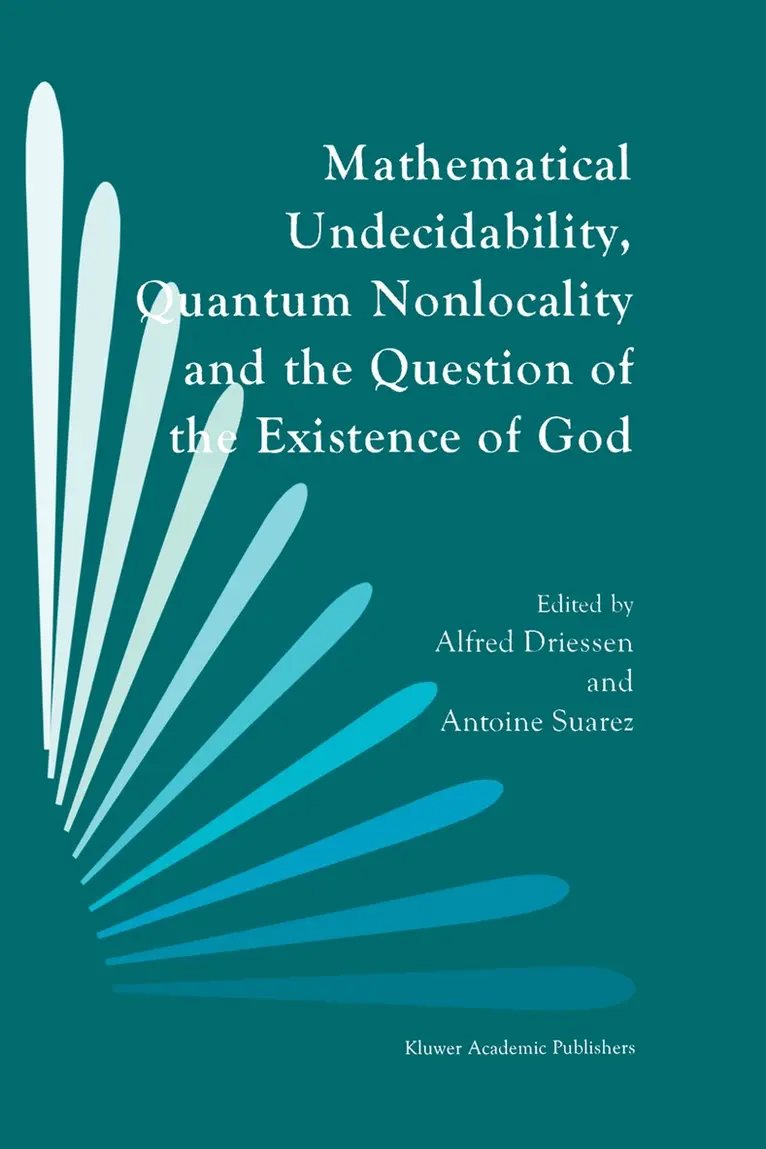
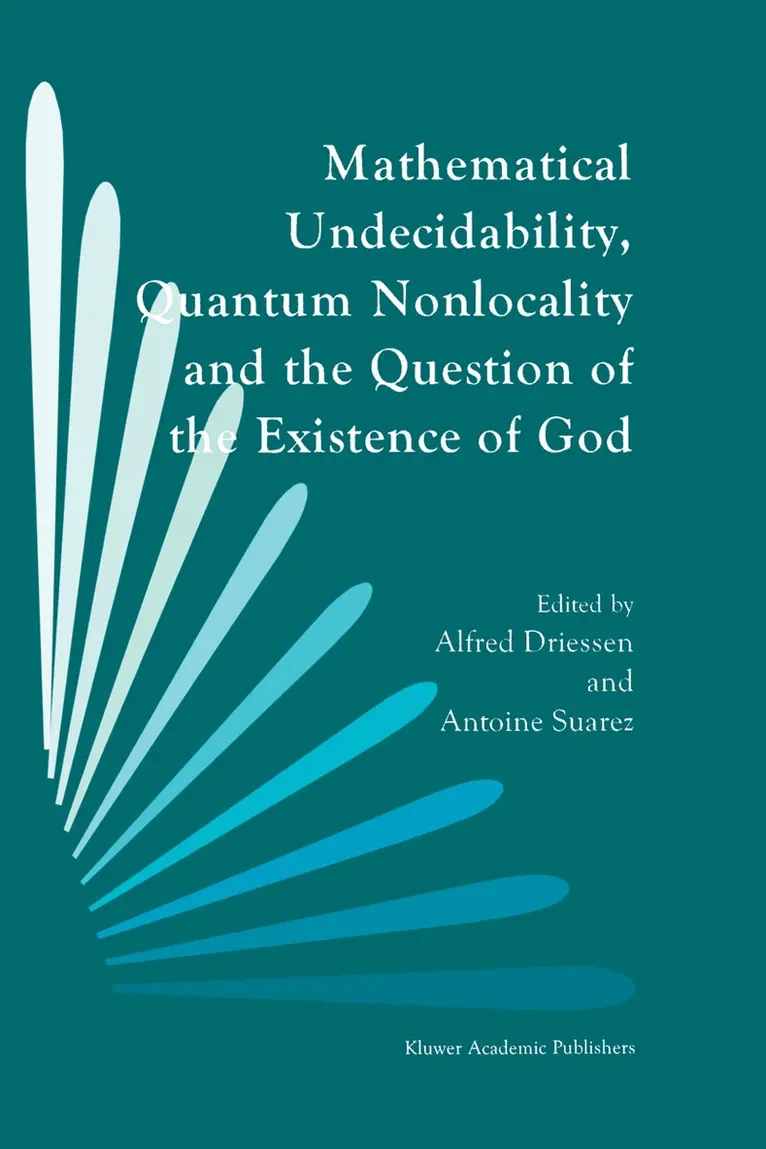
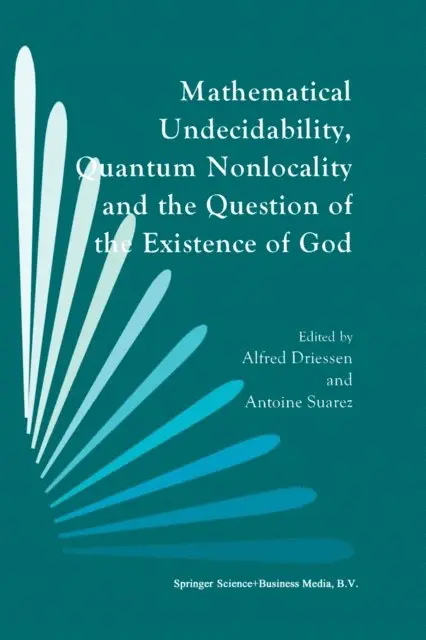
Mathematical Undecidability, Quantum Nonlocality and the Question of the Existence of God
Av A. Driessen, Antoine Suarez
Inbunden, 1997
1093 kr
Lägg i varukorg
On January 22, 1990, the late John Bell held at CERN (European Laboratory for Particle Physics), Geneva a seminar organized by the Center of Quantum Philosophy, that at this time was an association of scientists interested in the interpretation of quantum mechanics. In this seminar Bell presented …
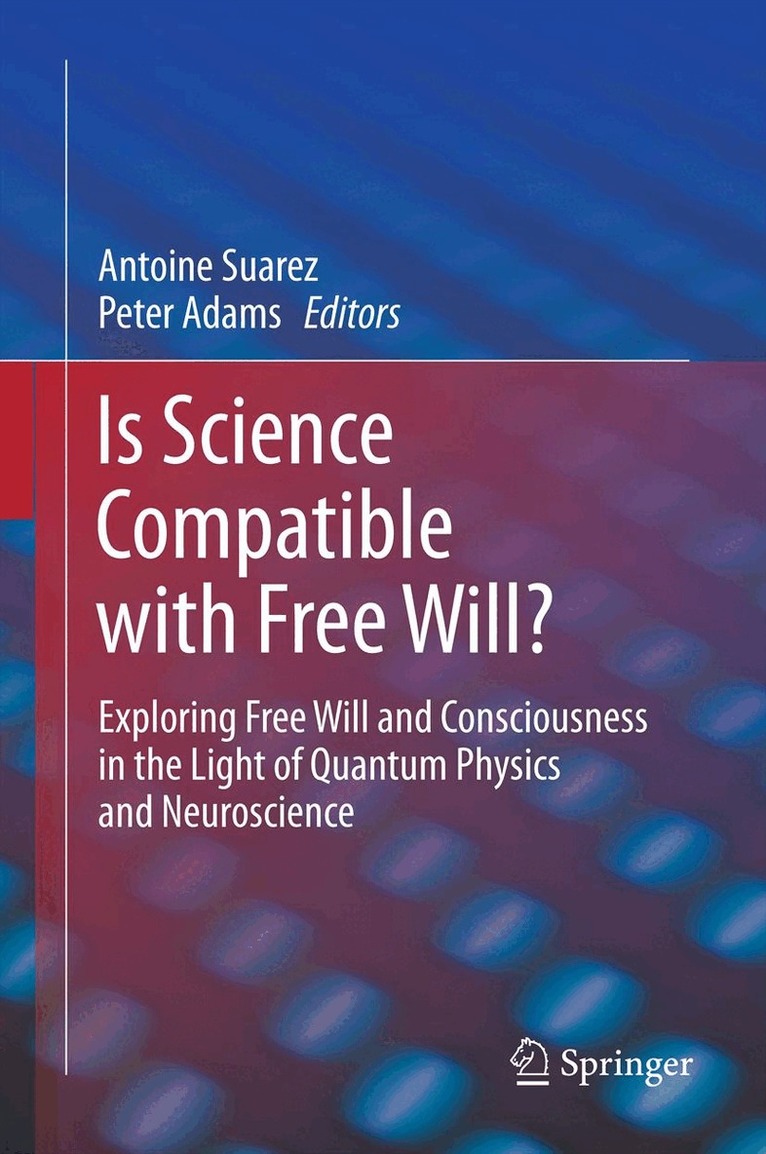
Is Science Compatible with Free Will?
Exploring Free Will and Consciousness in the Light of Quantum Physics and Neuroscience
Av Antoine Suarez, Peter Adams
Inbunden, 2012
1745 kr
Lägg i varukorg
Anyone who claims the right ‘to choose how to live their life’ excludes any purely deterministic description of their brain in terms of genes, chemicals or environmental influences. For example, when an author of a text expresses his thoughts, he assumes that, in typing the text, he governs the …
Is Science Compatible with Free Will?
Exploring Free Will and Consciousness in the Light of Quantum Physics and Neuroscience
Av Peter Adams, Antoine Suarez
E-bok, 2012
2290 kr
Lägg i varukorg
Anyone who claims the right ‘to choose how to live their life’ excludes any purely deterministic description of their brain in terms of genes, chemicals or environmental influences. For example, when an author of a text expresses his thoughts, he assumes that, in typing the text, he governs the …
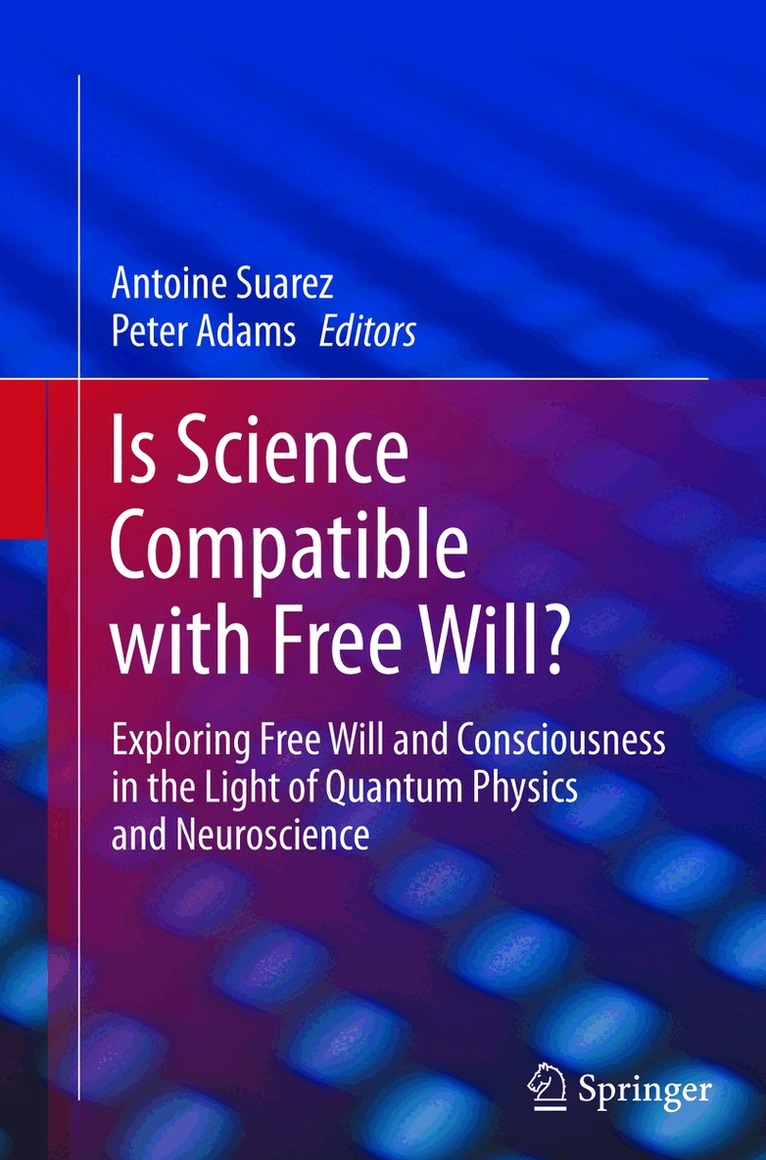
Is Science Compatible with Free Will?
Exploring Free Will and Consciousness in the Light of Quantum Physics and Neuroscience
Av Antoine Suarez, Peter Adams
Häftad, 2015
1745 kr
Lägg i varukorg
Anyone who claims the right ‘to choose how to live their life’ excludes any purely deterministic description of their brain in terms of genes, chemicals or environmental influences. For example, when an author of a text expresses his thoughts, he assumes that, in typing the text, he governs the …
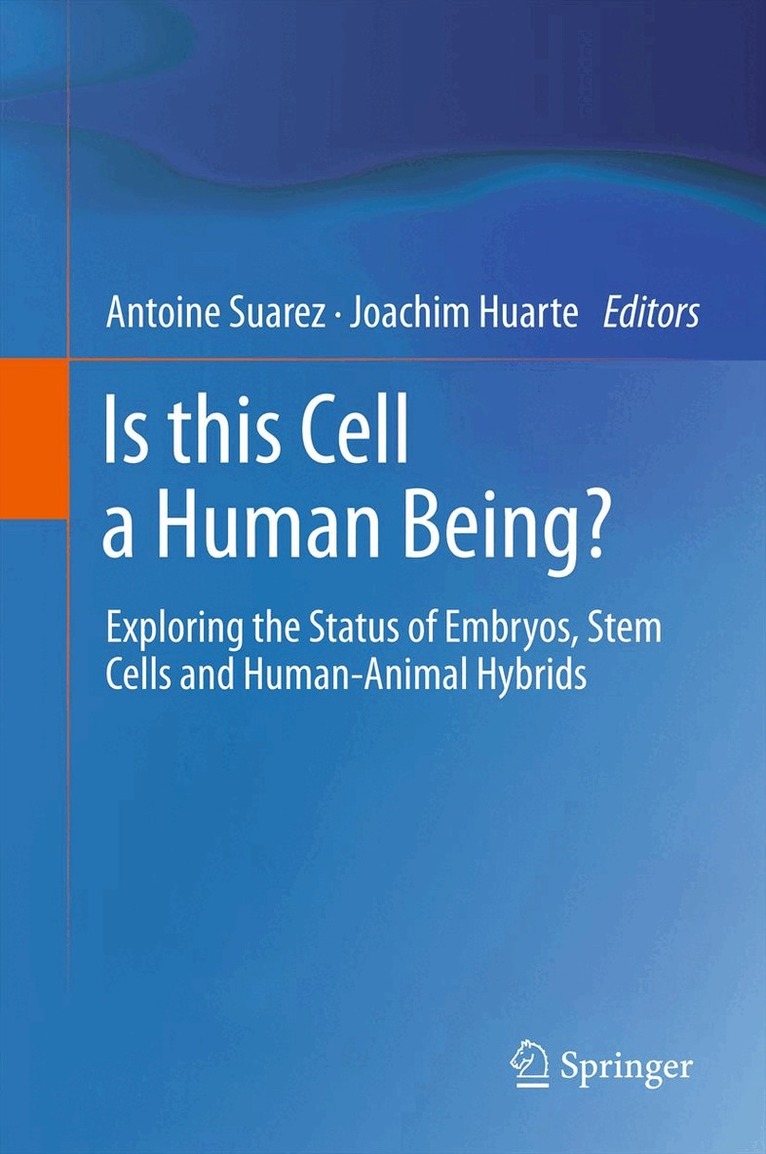
Is this Cell a Human Being?
Exploring the Status of Embryos, Stem Cells and Human-Animal Hybrids
Av Antoine Suarez, Joachim Huarte
Inbunden, 2011
1126 kr
Lägg i varukorg
The central question of this book is whether or not particular cell entities of human origin ought to be considered human beings. The answer is crucial for making moral decisions for or against research and experimentation. Experts in the field discuss the production of embryonic-like pluripotent …
Is this Cell a Human Being?
Exploring the Status of Embryos, Stem Cells and Human-Animal Hybrids
Av Joachim Huarte, Antoine Suarez
E-bok, 2011
1342 kr
Lägg i varukorg
The central question of this book is whether or not particular cell entities of human origin ought to be considered human beings. The answer is crucial for making moral decisions for or against research and experimentation. Experts in the field discuss the production of embryonic-like pluripotent …
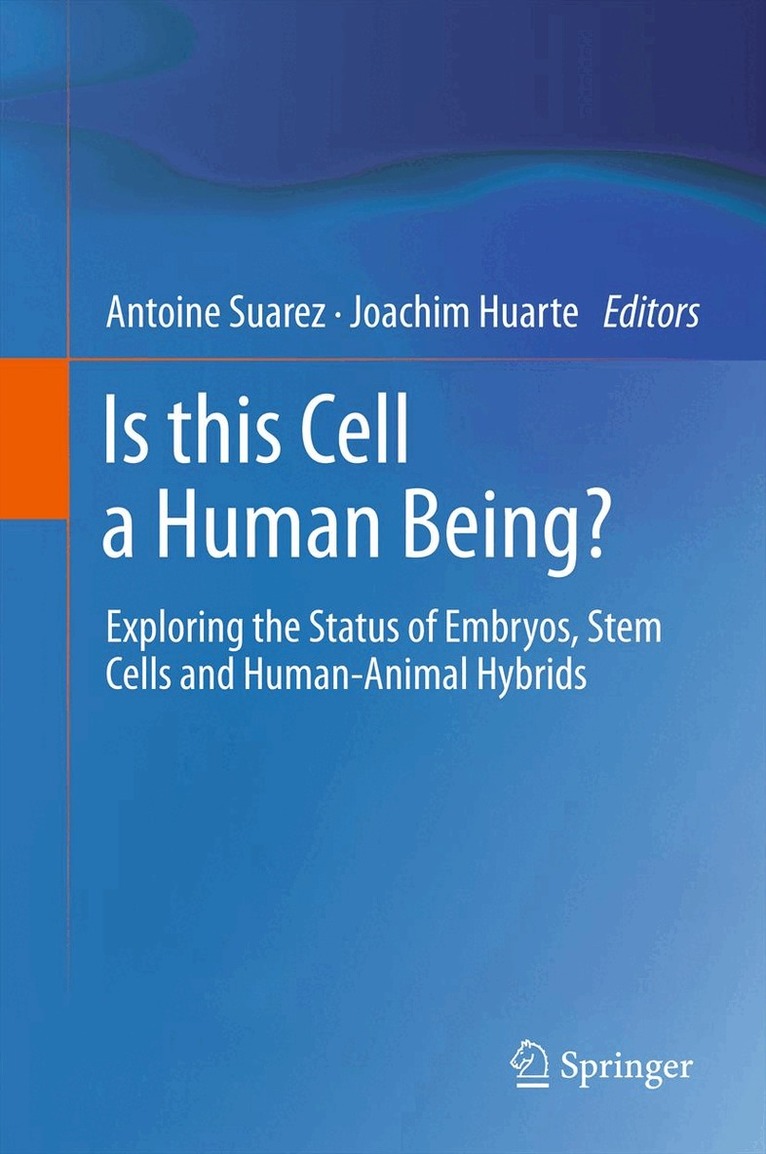
Is this Cell a Human Being?
Exploring the Status of Embryos, Stem Cells and Human-Animal Hybrids
Av Antoine Suarez, Joachim Huarte
Häftad, 2014
1093 kr
Lägg i varukorg
The central question of this book is whether or not particular cell entities of human origin ought to be considered human beings. The answer is crucial for making moral decisions for or against research and experimentation. Experts in the field discuss the production of embryonic-like pluripotent …
Mathematical Undecidability, Quantum Nonlocality and the Question of the Existence of God
Av A. Driessen, Antoine Suarez
Häftad, 2012
1093 kr
Lägg i varukorg
On January 22, 1990, the late John Bell held at CERN (European Laboratory for Particle Physics), Geneva a seminar organized by the Center of Quantum Philosophy, that at this time was an association of scientists interested in the interpretation of quantum mechanics. In this seminar Bell presented …
Mathematical Undecidability, Quantum Nonlocality and the Question of the Existence of God
Av Antoine Suarez, A. Driessen
E-bok, 2012
1459 kr
Lägg i varukorg
On January 22, 1990, the late John Bell held at CERN (European Laboratory for Particle Physics), Geneva a seminar organized by the Center of Quantum Philosophy, that at this time was an association of scientists interested in the interpretation of quantum mechanics. In this seminar Bell presented …