Antonio Jesús Pinto Tortosa – författare
Visar alla böcker från författaren Antonio Jesús Pinto Tortosa. Handla med fri frakt och snabb leverans.
6 produkter
6 produkter
Inbunden, Engelska, 2023
1 793 kr
Skickas inom 10-15 vardagar
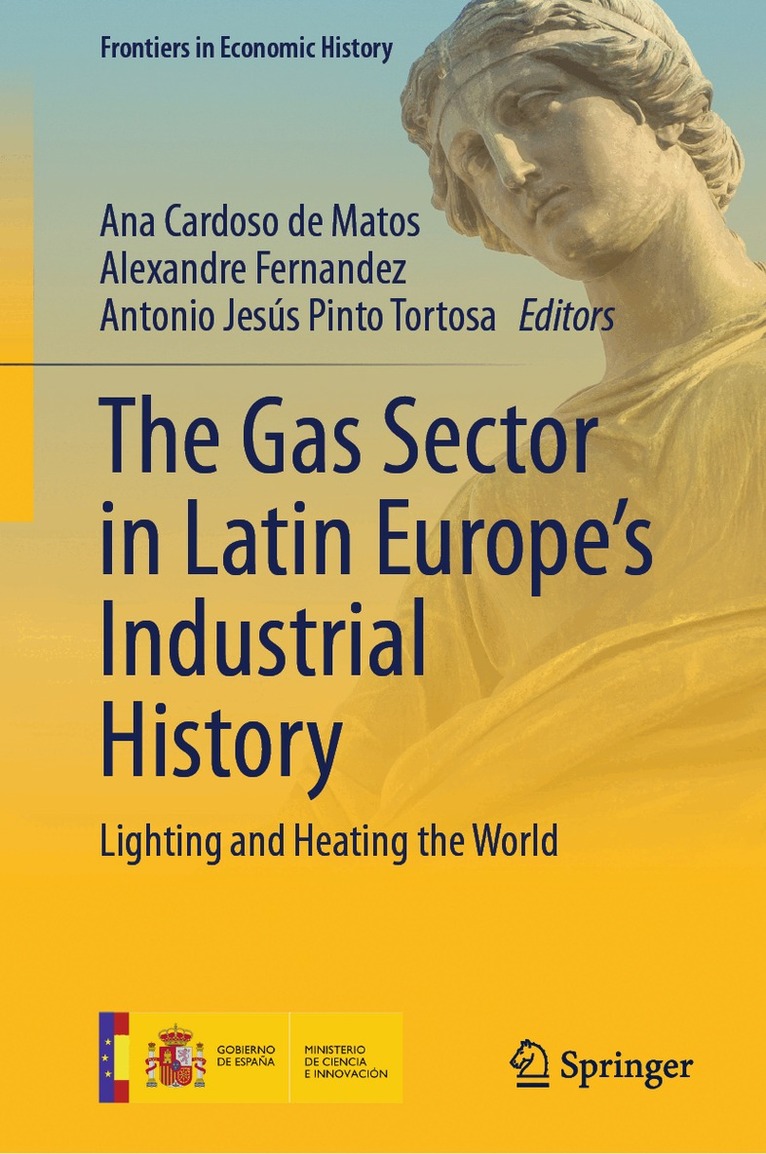
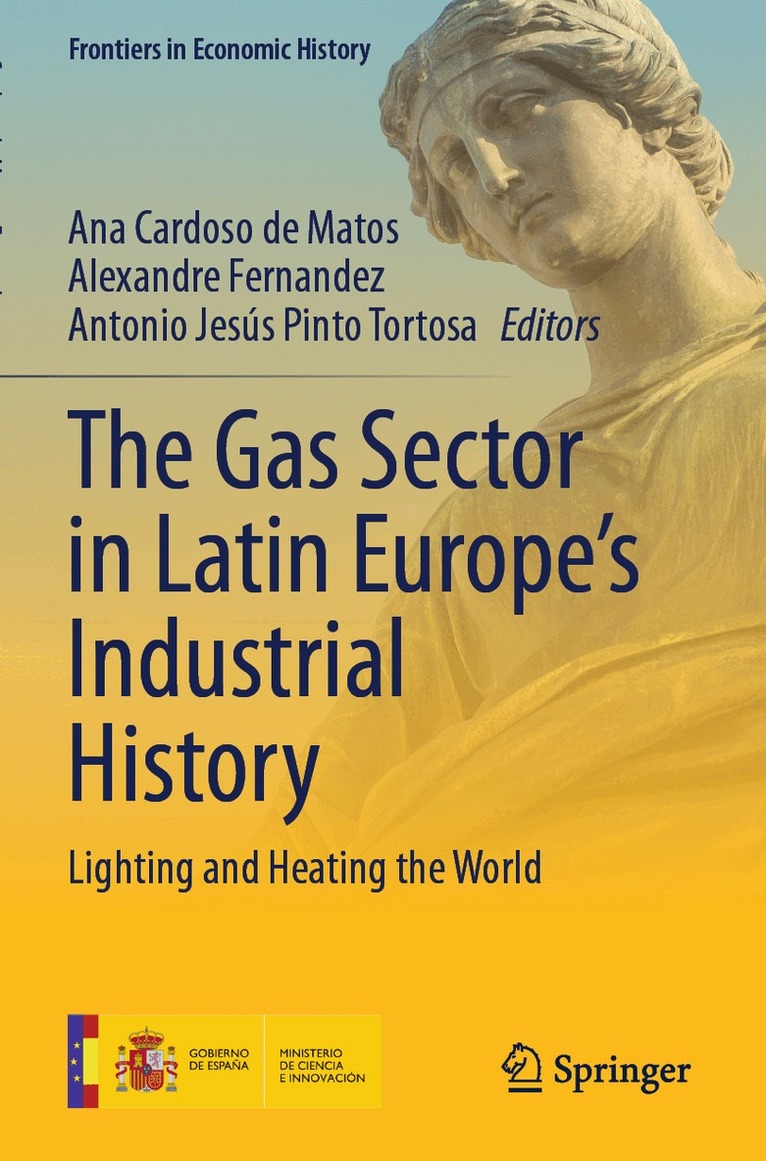
This volume sheds light on the technical and institutional handicaps that the gas industry had to face since the early 19th century to consolidate its position in the energy market. It traces the history of gas energy use in a European context to understand the reasons for its crucial nature in the region. Going back to the start of gas production in England and France at the turn of the 18th century, the book has a specific focus on Latin Europe: Portugal, Spain, France, and Italy.Topics discussed include, but are not limited to the evolution of gas technology and associations; capital, technical, and human transfer among countries; strategies carried out by gas companies to promote their activity; how gas companies adapted to changing markets, faced with the competition of electricity at the end of the 19th century, until late 20th century; and how war, especially the Second World War, affected gas supply in Latin Europe. Finally, the volume discusses the emerginguse of natural gas by France and Italy after 1945, which meant a quantitative advantage compared to their neighbors in Latin Europe, Portugal and Spain, as well as a political advantage, in terms of energetic independence. The book will appeal to scholars, students, and researchers of economic history, business history, as well as technological history, interested in a better understanding of the evolution of gas into a major energy source, a role that it has kept until today.
2 194 kr
Läs direkt efter köp
This volume sheds light on the technical and institutional handicaps that the gas industry had to face since the early 19th century to consolidate its position in the energy market. It traces the history of gas energy use in a European context to understand the reasons for its crucial nature in the region. Going back to the start of gas production in England and France at the turn of the 18th century, the book has a specific focus on Latin Europe: Portugal, Spain, France, and Italy.Topics discussed include, but are not limited to the evolution of gas technology and associations; capital, technical, and human transfer among countries; strategies carried out by gas companies to promote their activity; how gas companies adapted to changing markets, faced with the competition of electricity at the end of the 19th century, until late 20th century; and how war, especially the Second World War, affected gas supply in Latin Europe. Finally, the volume discusses the emerginguse of natural gas by France and Italy after 1945, which meant a quantitative advantage compared to their neighbors in Latin Europe, Portugal and Spain, as well as a political advantage, in terms of energetic independence. The book will appeal to scholars, students, and researchers of economic history, business history, as well as technological history, interested in a better understanding of the evolution of gas into a major energy source, a role that it has kept until today.
Häftad, Engelska, 2024
1 793 kr
Skickas inom 10-15 vardagar
This volume sheds light on the technical and institutional handicaps that the gas industry had to face since the early 19th century to consolidate its position in the energy market. It traces the history of gas energy use in a European context to understand the reasons for its crucial nature in the region. Going back to the start of gas production in England and France at the turn of the 18th century, the book has a specific focus on Latin Europe: Portugal, Spain, France, and Italy.Topics discussed include, but are not limited to the evolution of gas technology and associations; capital, technical, and human transfer among countries; strategies carried out by gas companies to promote their activity; how gas companies adapted to changing markets, faced with the competition of electricity at the end of the 19th century, until late 20th century; and how war, especially the Second World War, affected gas supply in Latin Europe. Finally, the volume discusses the emerginguse of natural gas by France and Italy after 1945, which meant a quantitative advantage compared to their neighbors in Latin Europe, Portugal and Spain, as well as a political advantage, in terms of energetic independence. The book will appeal to scholars, students, and researchers of economic history, business history, as well as technological history, interested in a better understanding of the evolution of gas into a major energy source, a role that it has kept until today.
Häftad, Spanska
650 kr
Skickas inom 3-6 vardagar
E-bok
Spanska, 201499 kr
Läs direkt efter köp
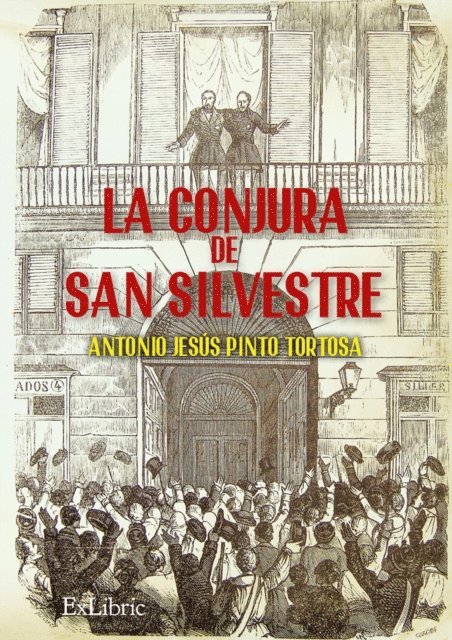
No escribo estas páginas esperanzado en que alguien las lea… Así comienza el relato del protagonista de esta historia, que al final de su vida decide rendir cuentas consigo mismo y hacer examen de conciencia, examinando un acontecimiento que marcó su vida. Transcurría la primera década del reinado de Isabel II; días después de la Navidad de 1840, tras el ascenso del general Espartero a la presidencia del Gobierno, Antonio Robledo, perteneciente a una importante familia de Antequera, fue asesinado a las puertas de la Iglesia de San Pedro. Todos hablaron entonces de un crimen con móviles políticos, pero nadie se animó a iniciar la investigación por miedo a las represalias de los políticos de Madrid, a quienes se consideraban implicados en el homicidio.Tres años más tarde el narrador, entonces un joven funcionario de la Audiencia de Granada, recibió el encargo de investigar el crimen y acudió a Antequera, donde colaboraría estrechamente con el inspector de Policía para desentrañar el juego de intereses de aquella ciudad. Aparentemente la hipótesis del crimen estaba clara y solo restaba contrastarla, pero hubo algo que todos pasaron por alto: en el teatro de la Humanidad nunca hay que descartar el papel que juegan las pasiones, verdadero y único motor de la Historia.
E-bok
Spanska, 201851 kr
Läs direkt efter köp
El abogado Pedro Carmona llega a Madrid en la Navidad de 1853 de la mano de su mentor, Ramón de Sotomayor, con la intención de hacer fortuna en la capital. Un misterioso asesinato en el que se ve involucrado fortuitamente complicará su trabajo en un clima político convulso, en pleno declive del gobierno moderado del Conde de San Luis. El protagonista, a quien recordamos de Un trienio en la sombra, intentará encontrar la serenidad personal y el temple profesional para llegar hasta el final y desenmarañar la trama, en un contexto político que propiciará la Revolución de 1854.Diez años después de haber resuelto el asesinato de Antonio Robledo en Antequera, la providencial cita es ahora con el pasado, con el presente y con el futuro, en la ciudad de Madrid.¿Conseguirá Pedro Carmona por fin hacer justicia?