Antony Eastmond – författare
Visar alla böcker från författaren Antony Eastmond. Handla med fri frakt och snabb leverans.
16 produkter
16 produkter
Häftad, Engelska, 2020
671 kr
Skickas inom 10-15 vardagar
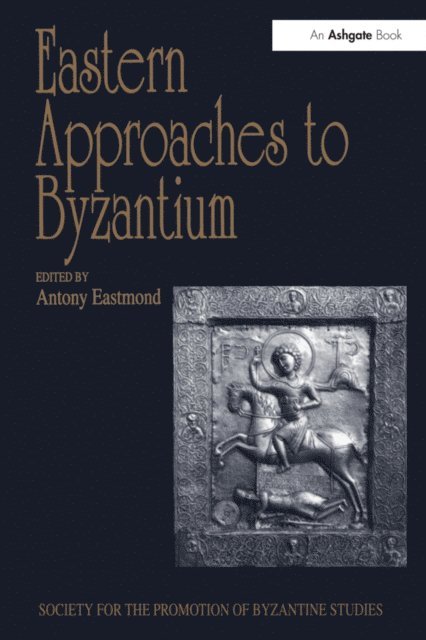
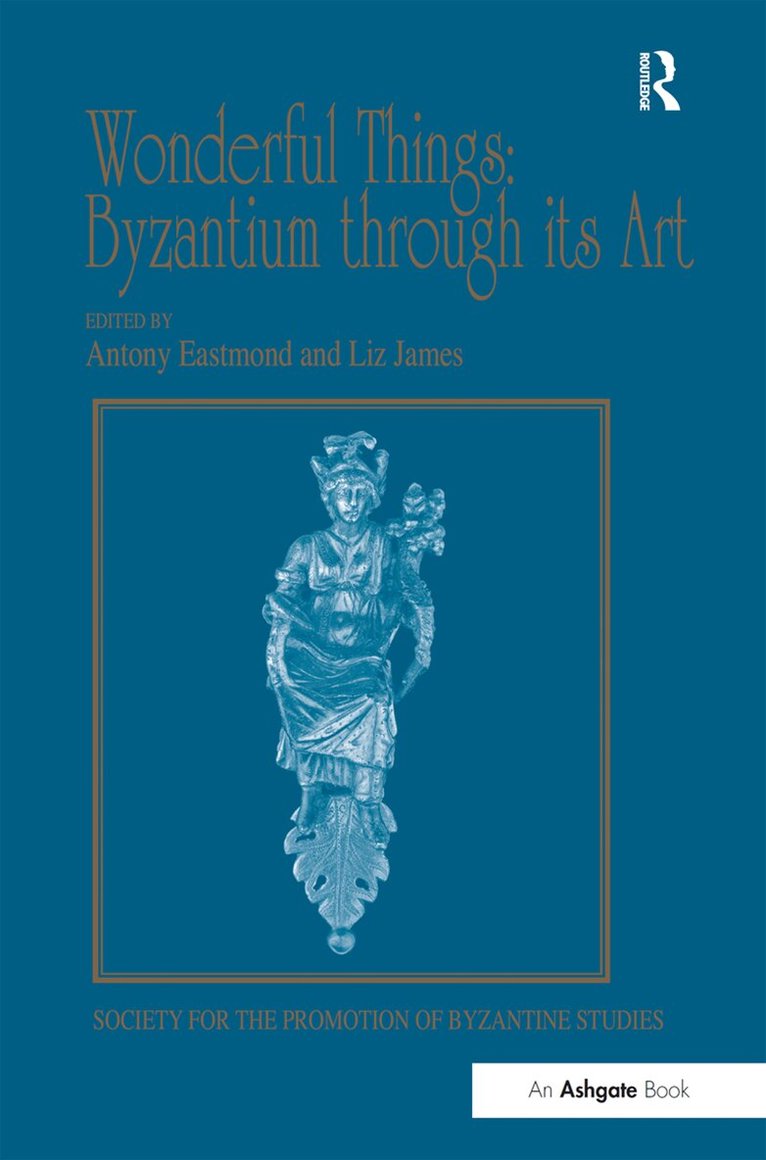
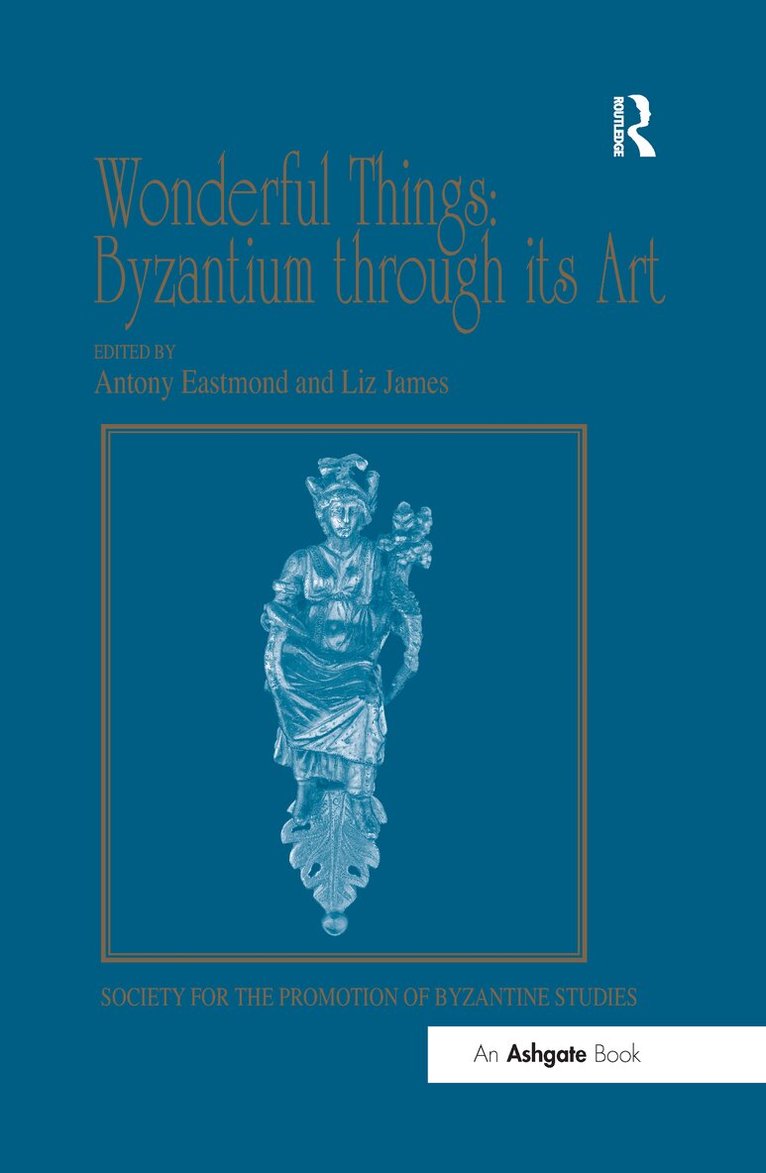
The essays collected in this book were delivered at the XLII Spring Symposium of Byzantine Studies, held in London in 2009 to accompany the exhibition Byzantium 330-1453, at the Royal Academy. The exhibition was one of the most ambitious and complex exhibitions ever mounted at the Royal Academy, as well as one of the most popular, and the overall aim of the book is to reflect on the exhibition of Byzantine art, both as an academic and popular exercise, and through the choice and discussion of individual objects. Exhibitions present a very different picture of Byzantium and its culture from works of history. The choices of object for display, their arrangement, and the underlying aims of exhibition curators and designers mean that every exhibition presents a different picture of Byzantium. Particular emphases can be placed, whether on everyday life or high court culture; Constantinople or the provinces; or claims of continuity or change over the Byzantine millennium. The essays explore aspects of the image of Byzantium that results from these choices. Given the enormous popularity of exhibitions of Byzantine objects (continued after the completion of this volume by exhibitions in Paris, Bonn and Istanbul), art has become one of the most popular and accessible means of popularizing Byzantium to a wide public audience. Hitherto there has been no general consideration of either the historiography of Byzantine exhibitions or the ways in which they have been set up to present different aspects of Byzantine culture to an academic and general public. The essays are divided into 3 sections: Exhibiting Byzantium sets the 2009 exhibition into the context of other exhibitions of Byzantine art and considers the issues involved in curating and viewing such major collections of medieval art; Object Lessons offers a set of studies of individual objects that were in the exhibition; Byzantium through its Art moves to consider Byzantine art more widely, thinking about the different ways in which objects can be used to study Byzantine culture and society. These are preceded by an introduction by the editors which sets the volume in context.
Inbunden, Engelska, 2013
773 kr
Skickas inom 7-10 vardagar
A picture-driven account of this important period in the proven successful format of Egypt -- 4000 Years of Art (Phaidon 2003). Presenting 300 artworks from the years 240 to 1453, The Glory of Byzantium and Early Christendom encapsulates the development of art in eastern Europe and eastern Mediterranean from the very early days of Christianity to the fall of Constantinople. From architecture to jewellery, from coins to paintings, from mosaics to book illuminations, Byzantine art in all its forms is explored. Unique not only for its extensive variety of art forms, the book also has a vast geographic scope, including art from Britain to Syria, from Spain to Turkey, from Egypt to Georgia. A sumptuous volume with stunning illustrations and concise descriptions, it places each artwork in its social, religious and political context, with an informative survey of its significance in this history of Byzantine art. A book for dipping into, as well as an inspiring, authoritative appraisal of this magnificent millennium of artistic culture.
Inbunden, Engelska, 2001
2 244 kr
Skickas inom 10-15 vardagar
The eastern frontier of Byzantium and the interaction of the peoples that lived along it are the themes of this book. With a focus on the ninth to thirteenth centuries and dealing with both art history and history, the essays provide reconsiderations of Byzantine policy on its eastern borders, new interpretations and new materials on Byzantine relations with the Georgians, Armenians and Seljuqs, as well as studies on the writing of history among these peoples. Presenting research from Russia and Georgia as well as Europe and the USA, the contributors stress the interaction and interdependence of all the peoples along this frontier zone, and consider the different ways in which the political and cultural power of Byzantium was appropriated. They provide important comparative evidence for the relationship between local and Byzantine cultures, and open up new avenues for research into the history of eastern Anatolia and the Caucasus. The volume arises from the thirty-third Spring Symposium of Byzantine Studies held at the University of Warwick in March 1999.
Inbunden, Engelska, 2015
1 411 kr
Skickas inom 7-10 vardagar
Inscriptions convey meaning not just by their contents but also by other means, such as choice of script, location, scale, spatial organisation, letterform, legibility and clarity. The essays in this book consider these visual qualities of inscriptions, ranging across the Mediterranean and the Near East from Spain to Iran and beyond, including Norman Sicily, Islamic North Africa, Byzantium, medieval Italy, Georgia and Armenia. While most essays focus on Late Antiquity and the Middle Ages, they also look back at Achaemenid Iran and forward to Mughal India. Topics discussed include real and pseudo-writing, multilingual inscriptions, graffiti, writing disguised as images and images disguised as words. From public texts set up on mountainsides or on church and madrasa walls to intimate craftsmen's signatures, barely visible on the undersides of precious objects, the inscriptions discussed in this volume reveal their meanings as textual and visual devices.
Häftad, Engelska, 2017
873 kr
Skickas inom 10-15 vardagar
The eastern frontier of Byzantium and the interaction of the peoples that lived along it are the themes of this book. With a focus on the ninth to thirteenth centuries and dealing with both art history and history, the essays provide reconsiderations of Byzantine policy on its eastern borders, new interpretations and new materials on Byzantine relations with the Georgians, Armenians and Seljuqs, as well as studies on the writing of history among these peoples. Presenting research from Russia and Georgia as well as Europe and the USA, the contributors stress the interaction and interdependence of all the peoples along this frontier zone, and consider the different ways in which the political and cultural power of Byzantium was appropriated. They provide important comparative evidence for the relationship between local and Byzantine cultures, and open up new avenues for research into the history of eastern Anatolia and the Caucasus. The volume arises from the thirty-third Spring Symposium of Byzantine Studies held at the University of Warwick in March 1999.
Häftad, Engelska, 2021
622 kr
Skickas inom 7-10 vardagar
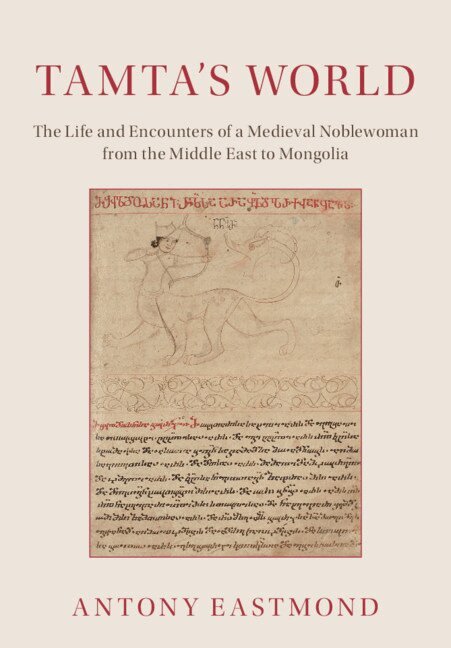
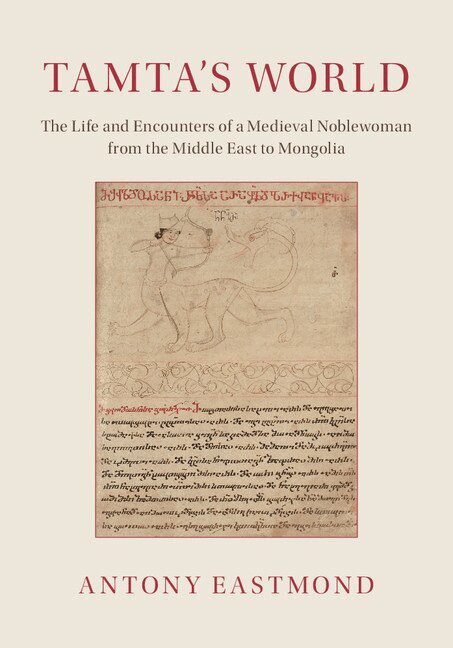
This book tells the compelling story of a Christian noblewoman named Tamta in the thirteenth century. Born to an Armenian family at the court of queen Tamar of Georgia, she was ransomed in marriage to nephews of Saladin after her father was captured during a siege. She was later raped and then married by the Khwarazmshah and held hostage by the Mongols, before being made an independent ruler under them in eastern Anatolia. Her tale stretches from the Mediterranean to Mongolia and reveals the extraordinary connections across continents and cultures that one woman could experience. Without a voice of her own, surviving monuments - monasteries and mosques, caravanserais and palaces - build up a picture of Tamta's world and the roles women played in it. The book explores how women's identities changed between different courts, with shifting languages, religions and cultures, and between their roles as daughters, wives, mothers and widows.
E-bok
Engelska, 2016769 kr
Läs direkt efter köp
The essays collected in this book were delivered at the XLII Spring Symposium of Byzantine Studies, held in London in 2009 to accompany the exhibition Byzantium 330-1453, at the Royal Academy. The exhibition was one of the most ambitious and complex exhibitions ever mounted at the Royal Academy, as well as one of the most popular, and the overall aim of the book is to reflect on the exhibition of Byzantine art, both as an academic and popular exercise, and through the choice and discussion of individual objects. Exhibitions present a very different picture of Byzantium and its culture from works of history. The choices of object for display, their arrangement, and the underlying aims of exhibition curators and designers mean that every exhibition presents a different picture of Byzantium. Particular emphases can be placed, whether on everyday life or high court culture; Constantinople or the provinces; or claims of continuity or change over the Byzantine millennium. The essays explore aspects of the image of Byzantium that results from these choices. Given the enormous popularity of exhibitions of Byzantine objects (continued after the completion of this volume by exhibitions in Paris, Bonn and Istanbul), art has become one of the most popular and accessible means of popularizing Byzantium to a wide public audience. Hitherto there has been no general consideration of either the historiography of Byzantine exhibitions or the ways in which they have been set up to present different aspects of Byzantine culture to an academic and general public. The essays are divided into 3 sections: Exhibiting Byzantium sets the 2009 exhibition into the context of other exhibitions of Byzantine art and considers the issues involved in curating and viewing such major collections of medieval art; Object Lessons offers a set of studies of individual objects that were in the exhibition; Byzantium through its Art moves to consider Byzantine art more widely, thinking about the different ways in which objects can be used to study Byzantine culture and society. These are preceded by an introduction by the editors which sets the volume in context.
E-bok
PDF, Engelska, 2016769 kr
Läs direkt efter köp
The essays collected in this book were delivered at the XLII Spring Symposium of Byzantine Studies, held in London in 2009 to accompany the exhibition Byzantium 330-1453, at the Royal Academy. The exhibition was one of the most ambitious and complex exhibitions ever mounted at the Royal Academy, as well as one of the most popular, and the overall aim of the book is to reflect on the exhibition of Byzantine art, both as an academic and popular exercise, and through the choice and discussion of individual objects. Exhibitions present a very different picture of Byzantium and its culture from works of history. The choices of object for display, their arrangement, and the underlying aims of exhibition curators and designers mean that every exhibition presents a different picture of Byzantium. Particular emphases can be placed, whether on everyday life or high court culture; Constantinople or the provinces; or claims of continuity or change over the Byzantine millennium. The essays explore aspects of the image of Byzantium that results from these choices. Given the enormous popularity of exhibitions of Byzantine objects (continued after the completion of this volume by exhibitions in Paris, Bonn and Istanbul), art has become one of the most popular and accessible means of popularizing Byzantium to a wide public audience. Hitherto there has been no general consideration of either the historiography of Byzantine exhibitions or the ways in which they have been set up to present different aspects of Byzantine culture to an academic and general public. The essays are divided into 3 sections: Exhibiting Byzantium sets the 2009 exhibition into the context of other exhibitions of Byzantine art and considers the issues involved in curating and viewing such major collections of medieval art; Object Lessons offers a set of studies of individual objects that were in the exhibition; Byzantium through its Art moves to consider Byzantine art more widely, thinking about the different ways in which objects can be used to study Byzantine culture and society. These are preceded by an introduction by the editors which sets the volume in context.
E-bok
Engelska, 20171 003 kr
Läs direkt efter köp
The eastern frontier of Byzantium and the interaction of the peoples that lived along it are the themes of this book. With a focus on the ninth to thirteenth centuries and dealing with both art history and history, the essays provide reconsiderations of Byzantine policy on its eastern borders, new interpretations and new materials on Byzantine relations with the Georgians, Armenians and Seljuqs, as well as studies on the writing of history among these peoples. Presenting research from Russia and Georgia as well as Europe and the USA, the contributors stress the interaction and interdependence of all the peoples along this frontier zone, and consider the different ways in which the political and cultural power of Byzantium was appropriated. They provide important comparative evidence for the relationship between local and Byzantine cultures, and open up new avenues for research into the history of eastern Anatolia and the Caucasus. The volume arises from the thirty-third Spring Symposium of Byzantine Studies held at the University of Warwick in March 1999.
E-bok
PDF, Engelska, 20171 003 kr
Läs direkt efter köp
The eastern frontier of Byzantium and the interaction of the peoples that lived along it are the themes of this book. With a focus on the ninth to thirteenth centuries and dealing with both art history and history, the essays provide reconsiderations of Byzantine policy on its eastern borders, new interpretations and new materials on Byzantine relations with the Georgians, Armenians and Seljuqs, as well as studies on the writing of history among these peoples. Presenting research from Russia and Georgia as well as Europe and the USA, the contributors stress the interaction and interdependence of all the peoples along this frontier zone, and consider the different ways in which the political and cultural power of Byzantium was appropriated. They provide important comparative evidence for the relationship between local and Byzantine cultures, and open up new avenues for research into the history of eastern Anatolia and the Caucasus. The volume arises from the thirty-third Spring Symposium of Byzantine Studies held at the University of Warwick in March 1999.
E-bok
Engelska, 2017769 kr
Läs direkt efter köp
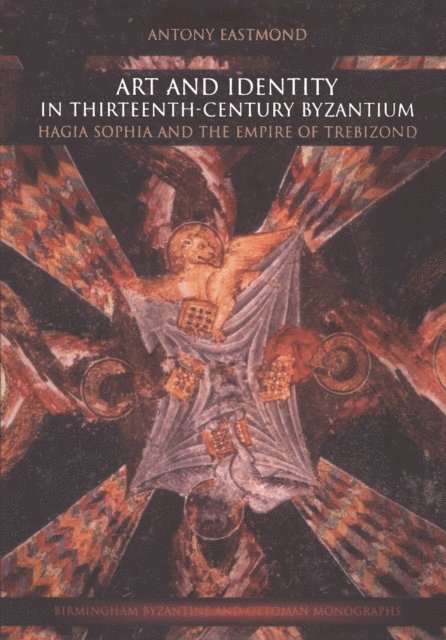
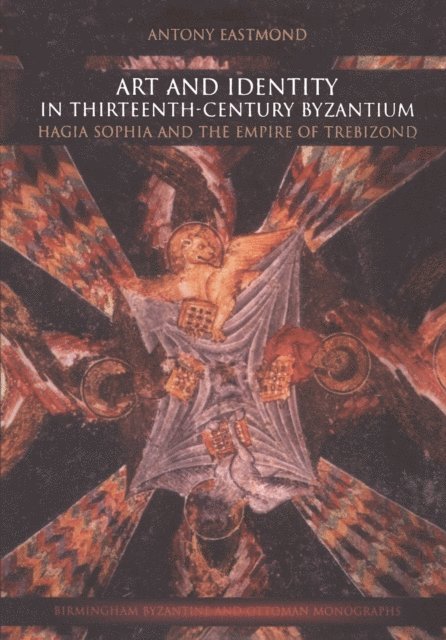
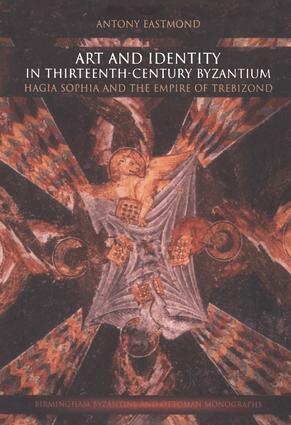
The church of Hagia Sophia in Trebizond, built by the emperor Manuel I Grand Komnenos (1238-63) in the aftermath of the fall of Constantinople to the Fourth Crusade, is the finest surviving Byzantine imperial monument of its period. Art and Identity in Thirteenth-Century Byzantium is the first investigation of the church in more than thirty years, and is extensively illustrated in colour and black-and-white, with many images that have never previously been published. Antony Eastmond examines the architectural, sculptural and painted decorations of the church, placing them in the context of contemporary developments elsewhere in the Byzantine world, in Seljuq Anatolia and among the Caucasian neighbours of Trebizond. Knowledge of this area has been transformed in the last twenty years, following the collapse of the Soviet Union. The new evidence that has emerged enables a radically different interpretation of the church to be reached, and raises questions of cultural interchange on the borders of the Christian and Muslim worlds of eastern Anatolia, the Caucasus and Persia. This study uses the church and its decoration to examine questions of Byzantine identity and imperial ideology in the thirteenth century. This is central to any understanding of the period, as the fall of Constantinople in 1204 divided the Byzantine empire and forced the successor states in Nicaea, Epiros and Trebizond to redefine their concepts of empire in exile. Art is here exploited as significant historical evidence for the nature of imperial power in a contested empire. It is suggested that imperial identity was determined as much by craftsmen and expectations of imperial power as by the emperor''s decree; and that this was a credible alternative Byzantine identity to that developed in the empire of Nicaea.
E-bok
PDF, Engelska, 2017769 kr
Läs direkt efter köp
The church of Hagia Sophia in Trebizond, built by the emperor Manuel I Grand Komnenos (1238-63) in the aftermath of the fall of Constantinople to the Fourth Crusade, is the finest surviving Byzantine imperial monument of its period. Art and Identity in Thirteenth-Century Byzantium is the first investigation of the church in more than thirty years, and is extensively illustrated in colour and black-and-white, with many images that have never previously been published. Antony Eastmond examines the architectural, sculptural and painted decorations of the church, placing them in the context of contemporary developments elsewhere in the Byzantine world, in Seljuq Anatolia and among the Caucasian neighbours of Trebizond. Knowledge of this area has been transformed in the last twenty years, following the collapse of the Soviet Union. The new evidence that has emerged enables a radically different interpretation of the church to be reached, and raises questions of cultural interchange on the borders of the Christian and Muslim worlds of eastern Anatolia, the Caucasus and Persia. This study uses the church and its decoration to examine questions of Byzantine identity and imperial ideology in the thirteenth century. This is central to any understanding of the period, as the fall of Constantinople in 1204 divided the Byzantine empire and forced the successor states in Nicaea, Epiros and Trebizond to redefine their concepts of empire in exile. Art is here exploited as significant historical evidence for the nature of imperial power in a contested empire. It is suggested that imperial identity was determined as much by craftsmen and expectations of imperial power as by the emperor''s decree; and that this was a credible alternative Byzantine identity to that developed in the empire of Nicaea.
Inbunden, Engelska, 2013
2 316 kr
Skickas inom 10-15 vardagar
The essays collected in this book were delivered at the XLII Spring Symposium of Byzantine Studies, held in London in 2009 to accompany the exhibition Byzantium 330-1453, at the Royal Academy. The exhibition was one of the most ambitious and complex exhibitions ever mounted at the Royal Academy, as well as one of the most popular, and the overall aim of the book is to reflect on the exhibition of Byzantine art, both as an academic and popular exercise, and through the choice and discussion of individual objects. Exhibitions present a very different picture of Byzantium and its culture from works of history. The choices of object for display, their arrangement, and the underlying aims of exhibition curators and designers mean that every exhibition presents a different picture of Byzantium. Particular emphases can be placed, whether on everyday life or high court culture; Constantinople or the provinces; or claims of continuity or change over the Byzantine millennium. The essays explore aspects of the image of Byzantium that results from these choices. Given the enormous popularity of exhibitions of Byzantine objects (continued after the completion of this volume by exhibitions in Paris, Bonn and Istanbul), art has become one of the most popular and accessible means of popularizing Byzantium to a wide public audience. Hitherto there has been no general consideration of either the historiography of Byzantine exhibitions or the ways in which they have been set up to present different aspects of Byzantine culture to an academic and general public. The essays are divided into 3 sections: Exhibiting Byzantium sets the 2009 exhibition into the context of other exhibitions of Byzantine art and considers the issues involved in curating and viewing such major collections of medieval art; Object Lessons offers a set of studies of individual objects that were in the exhibition; Byzantium through its Art moves to consider Byzantine art more widely, thinking about the different ways in which objects can be used to study Byzantine culture and society. These are preceded by an introduction by the editors which sets the volume in context.
Häftad, Engelska, 2018
483 kr
Skickas inom 5-8 vardagar
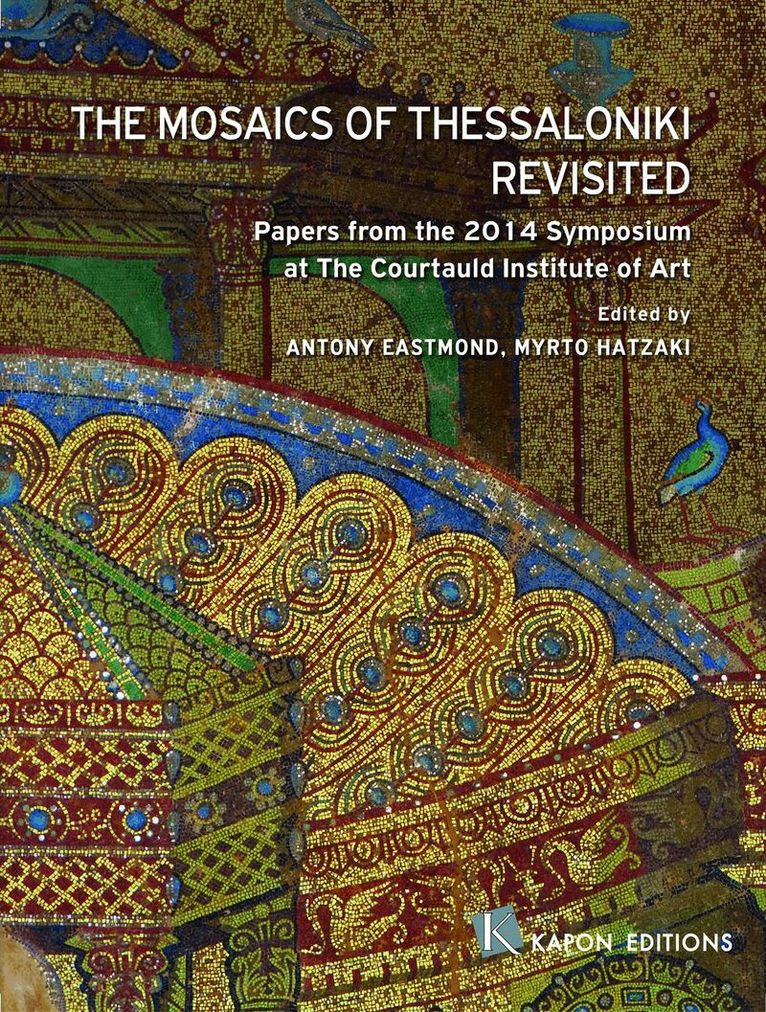
Essays on the chronology and interpretation of the Byzantine mosaics of Thessaloniki.Thessaloniki contains the finest collection of surviving Byzantine mosaics in any one city. Made over the course of a millennium between the fourth and the fourteenth century, they show the dynamism and longevity of the medium throughout the life of the Byzantine Empire. Yet despite the quantity and quality of the mosaics in Thessaloniki, they have remained relatively unknown compared with the mosaics elsewhere in Greece and in Constantinople.Controversy and debate have surrounded the dating, function and meaning of many of the monuments and their mosaics. These issues, of the chronology of the monuments and the meanings of their mosaics, form the focus of The Mosaics of Thessaloniki Revisited.Also published by Kapon Editions: Mosaics of Thessaloniki, 4th–14th century (2012) documents and illustrates the huge range of Thessaloniki’s mosaics that are now accessible and visible to all, however distant or hidden their locations in each church.
Inbunden, Engelska, 2004
1 413 kr
Tillfälligt slut
The church of Hagia Sophia in Trebizond, built by the emperor Manuel I Grand Komnenos (1238-63) in the aftermath of the fall of Constantinople to the Fourth Crusade, is the finest surviving Byzantine imperial monument of its period. Art and Identity in Thirteenth-Century Byzantium is the first investigation of the church in more than thirty years, and is extensively illustrated in colour and black-and-white, with many images that have never previously been published. Antony Eastmond examines the architectural, sculptural and painted decorations of the church, placing them in the context of contemporary developments elsewhere in the Byzantine world, in Seljuq Anatolia and among the Caucasian neighbours of Trebizond. Knowledge of this area has been transformed in the last twenty years, following the collapse of the Soviet Union. The new evidence that has emerged enables a radically different interpretation of the church to be reached, and raises questions of cultural interchange on the borders of the Christian and Muslim worlds of eastern Anatolia, the Caucasus and Persia. This study uses the church and its decoration to examine questions of Byzantine identity and imperial ideology in the thirteenth century. This is central to any understanding of the period, as the fall of Constantinople in 1204 divided the Byzantine empire and forced the successor states in Nicaea, Epiros and Trebizond to redefine their concepts of empire in exile. Art is here exploited as significant historical evidence for the nature of imperial power in a contested empire. It is suggested that imperial identity was determined as much by craftsmen and expectations of imperial power as by the emperor's decree; and that this was a credible alternative Byzantine identity to that developed in the empire of Nicaea.
Inbunden, Engelska, 2017
683 kr
Tillfälligt slut
This book tells the compelling story of a Christian noblewoman named Tamta in the thirteenth century. Born to an Armenian family at the court of queen Tamar of Georgia, she was ransomed in marriage to nephews of Saladin after her father was captured during a siege. She was later raped and then married by the Khwarazmshah and held hostage by the Mongols, before being made an independent ruler under them in eastern Anatolia. Her tale stretches from the Mediterranean to Mongolia and reveals the extraordinary connections across continents and cultures that one woman could experience. Without a voice of her own, surviving monuments - monasteries and mosques, caravanserais and palaces - build up a picture of Tamta's world and the roles women played in it. The book explores how women's identities changed between different courts, with shifting languages, religions and cultures, and between their roles as daughters, wives, mothers and widows.