Ariadne Nunes – författare
Visar alla böcker från författaren . Handla med fri frakt och snabb leverans.
4 produkter
4 produkter
Inbunden, Engelska, 2020
2 091 kr
Skickas inom 10-15 vardagar
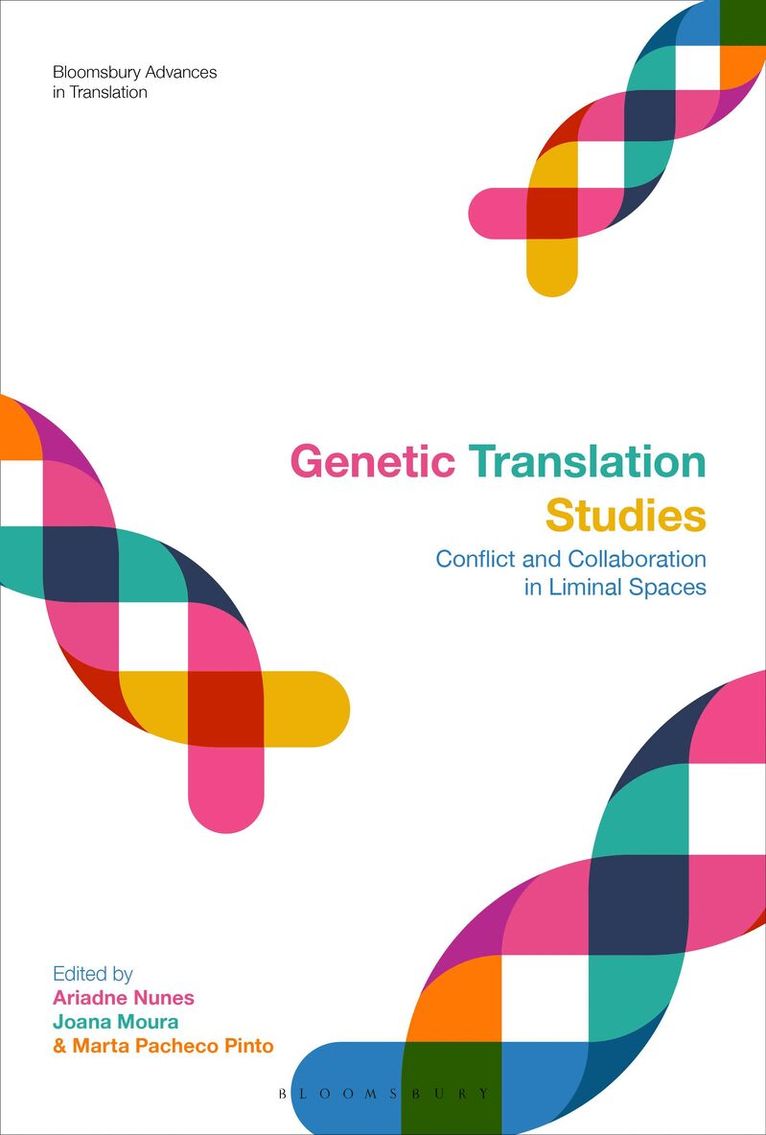
Examining the research possibilities, debates and challenges posed by the emerging field of genetic translation studies, this book demonstrates how, both theoretically and empirically, genetic criticism can shed much-needed light on translators’ archives, the translator figure and the creative process of translation. Genetic Translation Studies analyses a diverse range of translation materials including manuscripts, typographical proofs, personal papers, letters, testimonies and interviews in order to give visibility, body and presence to translators. Chapters draw on translations of works by authors such as Saint-John Perse, Nikos Kazantzakis, René Char, António Lobo Antunes and Camilo Castelo Branco, in each case revealing the conflicts and collaborations between translators and other stakeholders, including authors, editors and publishers.Covering an impressive array of language contexts, from Portuguese, English and French to Greek, Finnish, Polish and Sanskrit, this book demonstrates the value of the genetic turn in translation studies and offers new ways of working with translator correspondences.
E-bok
PDF, Engelska, 2020499 kr
Läs direkt efter köp
Examining the research possibilities, debates and challenges posed by the emerging field of genetic translation studies, this book demonstrates how, both theoretically and empirically, genetic criticism can shed much-needed light on translators'' archives, the translator figure and the creative process of translation. Genetic Translation Studies analyses a diverse range of translation materials including manuscripts, typographical proofs, personal papers, letters, testimonies and interviews in order to give visibility, body and presence to translators. Chapters draw on translations of works by authors such as Saint-John Perse, Nikos Kazantzakis, René Char, António Lobo Antunes and Camilo Castelo Branco, in each case revealing the conflicts and collaborations between translators and other stakeholders, including authors, editors and publishers. Covering an impressive array of language contexts, from Portuguese, English and French to Greek, Finnish, Polish and Sanskrit, this book demonstrates the value of the genetic turn in translation studies and offers new ways of working with translator correspondences.
E-bok
Engelska, 2020499 kr
Läs direkt efter köp
Examining the research possibilities, debates and challenges posed by the emerging field of genetic translation studies, this book demonstrates how, both theoretically and empirically, genetic criticism can shed much-needed light on translators'' archives, the translator figure and the creative process of translation. Genetic Translation Studies analyses a diverse range of translation materials including manuscripts, typographical proofs, personal papers, letters, testimonies and interviews in order to give visibility, body and presence to translators. Chapters draw on translations of works by authors such as Saint-John Perse, Nikos Kazantzakis, René Char, António Lobo Antunes and Camilo Castelo Branco, in each case revealing the conflicts and collaborations between translators and other stakeholders, including authors, editors and publishers. Covering an impressive array of language contexts, from Portuguese, English and French to Greek, Finnish, Polish and Sanskrit, this book demonstrates the value of the genetic turn in translation studies and offers new ways of working with translator correspondences.
Häftad, Engelska, 2022
466 kr
Skickas inom 10-15 vardagar
Examining the research possibilities, debates and challenges posed by the emerging field of genetic translation studies, this book demonstrates how, both theoretically and empirically, genetic criticism can shed much-needed light on translators’ archives, the translator figure and the creative process of translation. Genetic Translation Studies analyses a diverse range of translation materials including manuscripts, typographical proofs, personal papers, letters, testimonies and interviews in order to give visibility, body and presence to translators. Chapters draw on translations of works by authors such as Saint-John Perse, Nikos Kazantzakis, René Char, António Lobo Antunes and Camilo Castelo Branco, in each case revealing the conflicts and collaborations between translators and other stakeholders, including authors, editors and publishers.Covering an impressive array of language contexts, from Portuguese, English and French to Greek, Finnish, Polish and Sanskrit, this book demonstrates the value of the genetic turn in translation studies and offers new ways of working with translator correspondences.