Arianne Baggerman – författare
Visar alla böcker från författaren Arianne Baggerman. Handla med fri frakt och snabb leverans.
3 produkter
3 produkter
Del 1 - Egodocuments and History Series
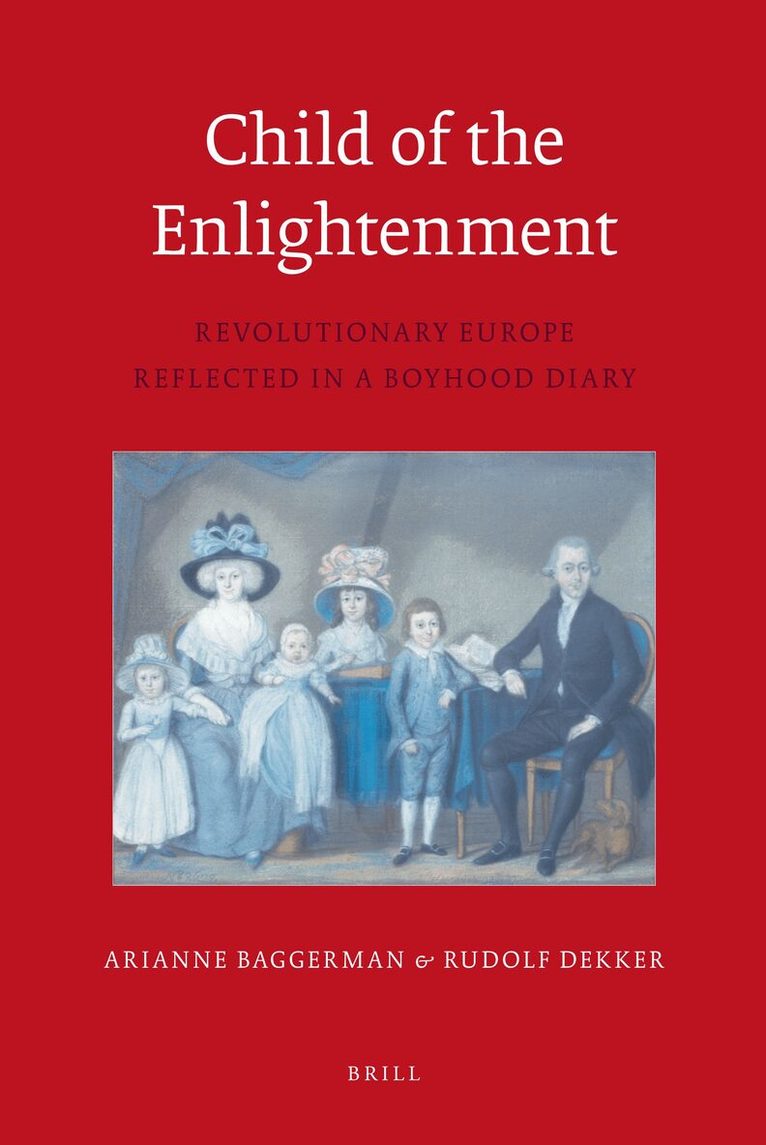
Child of the Enlightenment
Revolutionary Europe Reflected in a Boyhood Diary
Inbunden, Engelska, 2009
2 866 kr
Skickas inom 5-8 vardagar
A diary kept by a boy in the 1790s sheds new light on the rise of autobiographical writing in the 19th century and sketches a panoramic view of Europe in the Age of Enlightenment. The French Revolution and the Batavian Revolution in the Netherlands provide the backdrop to this study, which ranges from changing perceptions of time, space and nature to the thought of Jean-Jacques Rousseau and its influence on such far-flung fields as education, landscape gardening and politics. The book describes the high expectations people had of science and medicine, and their disappointment at the failure of these new branches of learning to cure the world of its ills.
Del 32 - Library of the Written Word - The Handpress World
Publishing Policies and Family Strategies
The Fortunes of a Dutch Publishing House in the 18th and early 19th Centuries
Inbunden, Engelska, 2013
4 700 kr
Skickas inom 5-8 vardagar
This study analyses the development of the Dutch publishers and booksellers firm Blussé in connection with the history of the Blussé family between 1745 and 1830. The book offers new insight in the organization of the book trade, the theory and practice of copyright, competition and cooperation among publishers, book prices and print runs, including advertising and marketing. The history of the company is linked with that of the family, using letters and other autobiographical writings. Education, marriage policies, reading practices are among the subjects studied. Within the context of cultural developments, the influence of the Enlightenment, and the political upheavals in the period in the Netherlands, this book is both a detailed book history and a broadly based study of cultural change in the late 18th and early 19th centuries.
E-bok
PDF, Nederländska, 20242 180 kr
Läs direkt efter köp
Wie was 'den beruchten Utrechtschen schoolmeester Simon de Vries'? Tot nu toe kon niemand daar een bevredigend antwoord op geven. Reeds in de achttiende eeuw was het leven van deze zeventiende-eeuwse auteur van minstens 57 titels in nevelen gehuld. Een groot deel van zijn oeuvre bestaat uit 'Reader's-digest-achtige' compilatiebundels waarin de zeventiende-eeuwse lezer antwoord kreeg op tal van vragen: Hoe zien mensen eruit na de wederopstanding? Lopen er mannetjes op de maan? Wat is een Grobianus? Kan er vlees uit de aarde groeien? Welk land herbergt de meeste schoenmakers? Waarom hebben de vrouwen in Nieuw-Guinea zulke grote neusgaten? In zekere zin is De Vries te beschouwen als een voorloper van achttiende-eeuwse verlichte broodschrijvers als Gerrit Paape en Jacob Campo Weyerman. Toch was deze voorstander van heksenverbrandingen bepaald geen verlicht auteur. Hij leefde dan ook in een andere tijd en schreef voor een ander lezerspubliek. In 1691 nam hij de handschoen op tegen Balthasar Bekker en zijn omstreden boek De betoverde weereld waarin het geloof in heksen en duivels werd bestreden. Door zijn venijnige aanval op Bekker lijkt De Vries zich bij het nageslacht voorgoed onmogelijk te hebben gemaakt. De latere achttiende-eeuwse auteurs van populaire lectuur wensten niet met zijn naam te worden verbonden. Hij werd door hen gekarikaturiseerd als een bijgelovig schrijver van ouderwetse pulplectuur. Toch had deze schrijver nog wel wat meer in zijn mars. In deze studie wordt onder andere uitvoerig ingegaan op de levensomstandigheden waarin De Vries verkeerde, zijn denkbeelden, zijn contacten met uitgevers, zijn conflict met Balthasar Bekker, het lezerspubliek van De Vries' boeken en de receptie van zijn werk in de zeventiende en achttiende eeuw. Met dit boek treedt eindelijk de geheimzinnige 'Utrechtse schoolmeester' in het volle licht. De lezer maakt hierin kennis met een geheel ander type auteur als Hooft, Vondel, Huygens of Cats; en met teksten van een geheel andere aard dan die doorgaans uit de 'Renaissance' worden verwacht.