Ariel Leve - Böcker
Visar alla böcker från författaren Ariel Leve. Handla med fri frakt och snabb leverans.
3 produkter
3 produkter
220 kr
Skickas inom 3-6 vardagar
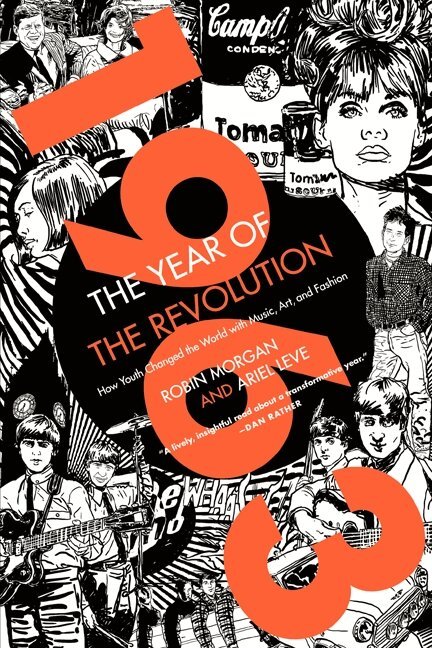
1963: The Year of the Revolution
How Youth Changed the World with Music, Art, and Fashion
Häftad, Engelska, 2014
174 kr
Skickas inom 5-8 vardagar
Ariel Leve and Robin Morgan's oral history 1963: The Year of the Revolution is the first book to recount the kinetic story of the twelve months that witnessed a demographic power shift-the rise of the Youth Quake movement, a cultural transformation through music, fashion, politics, and the arts. Leve and Morgan detail how, for the first time in history, youth became a commercial and cultural force with the power to command the attention of government and religion and shape society. While the Cold War began to thaw, the race into space heated up, feminism and civil rights percolated in politics, and JFK's assassination shocked the world, the Beatles and Bob Dylan would emerge as poster boys and the prophet of a revolution that changed the world. 1963: The Year of the Revolution records, documentary-style, the incredible roller-coaster ride of those twelve months, told through the recollections of some of the period's most influential figures-from Keith Richards to Mary Quant, Vidal Sassoon to Graham Nash, Alan Parker to Peter Frampton, Eric Clapton to Gay Talese, Stevie Nicks to Norma Kamali, and many more.
180 kr
Skickas inom 5-8 vardagar
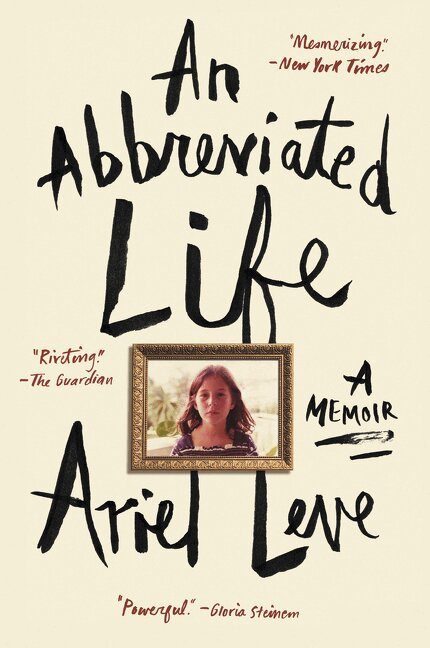
A beautiful, startling, and candid memoir about growing up without boundaries, in which Ariel Leve recalls with candor and sensitivity the turbulent time she endured as the only child of an unstable poet for a mother and a beloved but largely absent father, and explores the consequences of a psychologically harrowing childhood as she seeks refuge from the past and recovers what was lost. Ariel Leve grew up in Manhattan with an eccentric mother she describes as "a poet, an artist, a self-appointed troublemaker and attention seeker." Leve learned to become her own parent, taking care of herself and her mother's needs. There would be uncontrolled, impulsive rages followed with denial, disavowed responsibility, and then extreme outpourings of affection. How does a child learn to feel safe in this topsy-turvy world of conditional love? Leve captures the chaos and lasting impact of a child's life under siege and explores how the coping mechanisms she developed to survive later incapacitated her as an adult.There were material comforts, but no emotional safety, except for summer visits to her father's home in South East Asia-an escape that was terminated after he attempted to gain custody. Following the death of a loving caretaker, a succession of replacements raised Leve-relationships which resulted in intense attachment and loss. It was not until decades later, when Leve moved to other side of the world, that she could begin to emancipate herself from the past. In a relationship with a man who has children, caring for them yields clarity of what was missing. In telling her haunting story, Leve seeks to understand the effects of chronic psychological maltreatment on a child's developing brain, and to discover how to build a life for herself that she never dreamed possible: An unabbreviated life.