Armen Gulian – författare
Visar alla böcker från författaren Armen Gulian. Handla med fri frakt och snabb leverans.
3 produkter
3 produkter
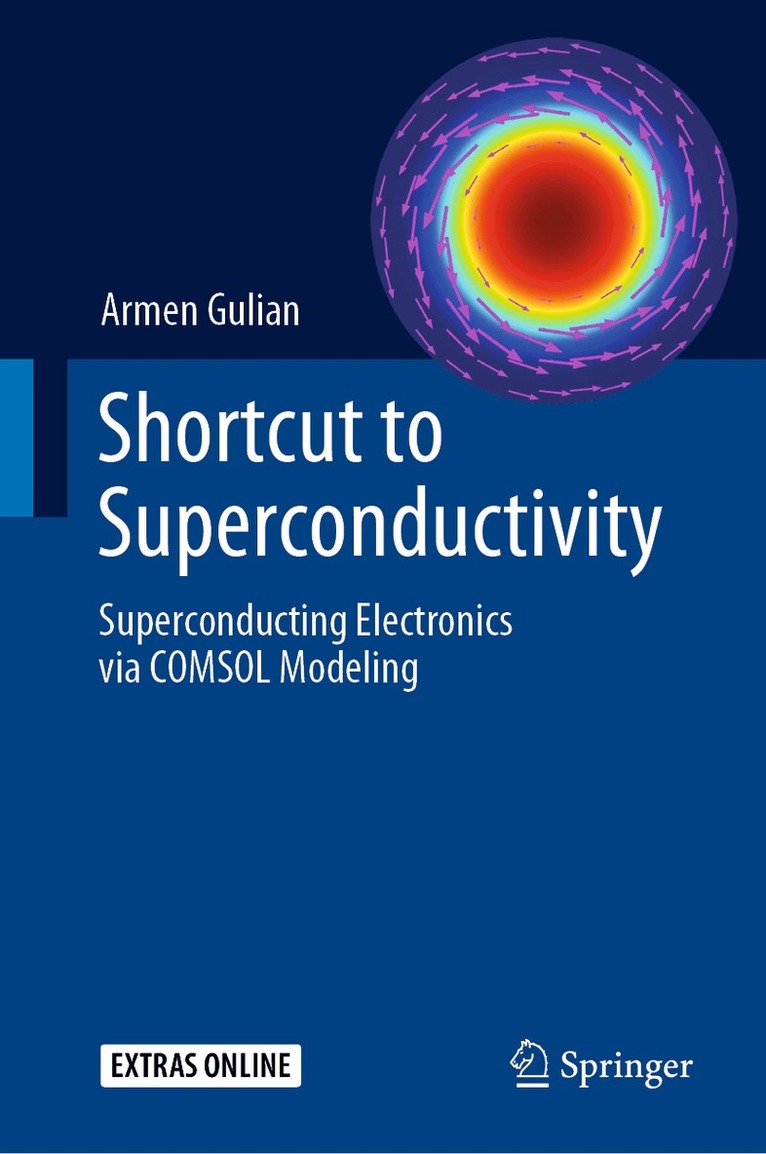
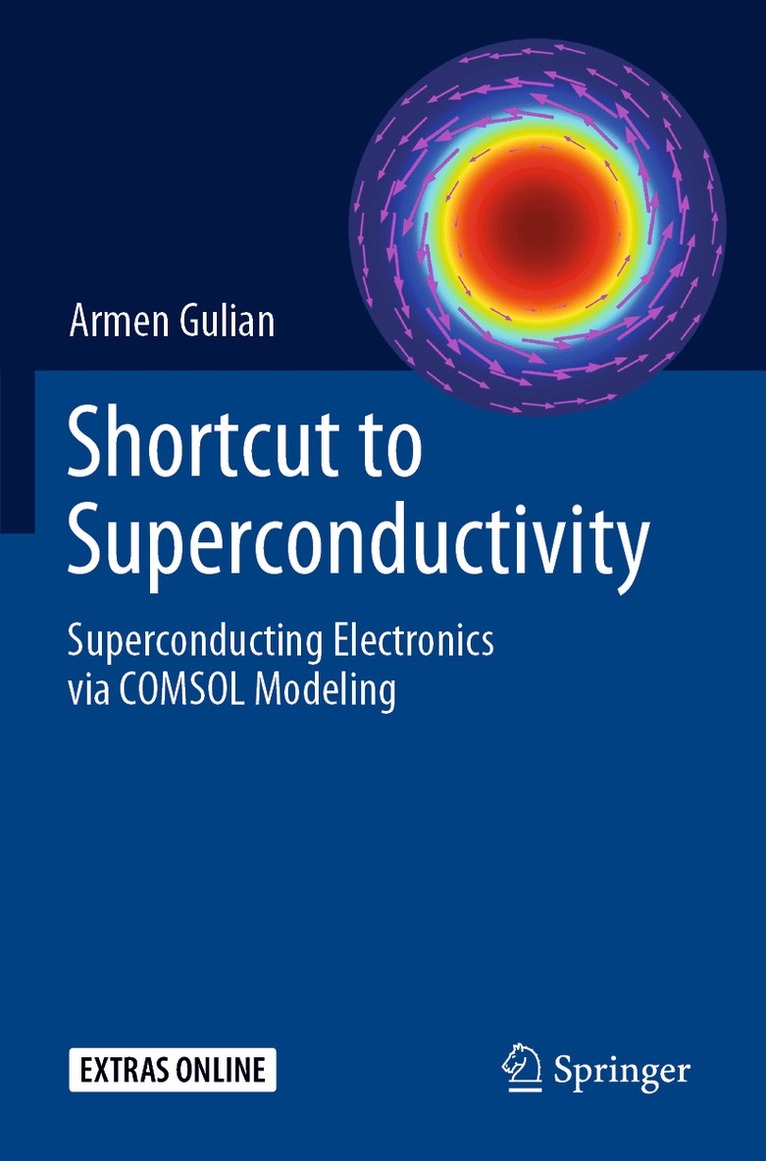
Shortcut to Superconductivity
Superconducting Electronics via COMSOL Modeling
Inbunden, Engelska, 2020
912 kr
Skickas inom 10-15 vardagar
This accessible textbook offers a novel, concept-led approach to superconducting electronics, using the COMSOL Multiphysics software to help describe fundamental principles in an intuitive manner.Based on a course taught by the author and aimed primarily at engineering students, the book explains concepts effectively and efficiently, uncovering the “shortcut” to understanding each topic, enabling readers to quickly grasp the underlying essence. The book is divided into two main parts; the first part provides a general introduction to key topics encountered in superconductivity, illustrated using COMSOL simulations based on time-dependent Ginzburg-Landau equations and avoiding any deeply mathematical derivations. It includes numerous worked examples and problem sets with tips and solutions.The second part of the book is more conventional in nature, providing detailed derivations of the basic equations from first principles. This part covers more advanced topics, including the BCS-Gor'kov-Eliashberg approach to equilibrium properties of superconductors, the derivation of kinetic equations for nonequilibrium superconductors, and the derivation of time-dependent Ginzburg–Landau equations, used as the basis for COMSOL modeling in the first part.Supported throughout by an extensive library of COMSOL Multiphysics animations, the book serves as a uniquely accessible introduction to the field for engineers and others with a less rigorous background in physics and mathematics. However, it also features more detailed mathematical background for those wishing to delve further into the subject.
646 kr
Skickas inom 10-15 vardagar
This accessible textbook offers a novel, concept-led approach to superconducting electronics, using the COMSOL Multiphysics software to help describe fundamental principles in an intuitive manner.Based on a course taught by the author and aimed primarily at engineering students, the book explains concepts effectively and efficiently, uncovering the “shortcut” to understanding each topic, enabling readers to quickly grasp the underlying essence. The book is divided into two main parts; the first part provides a general introduction to key topics encountered in superconductivity, illustrated using COMSOL simulations based on time-dependent Ginzburg-Landau equations and avoiding any deeply mathematical derivations. It includes numerous worked examples and problem sets with tips and solutions.The second part of the book is more conventional in nature, providing detailed derivations of the basic equations from first principles. This part covers more advanced topics, including the BCS-Gor'kov-Eliashberg approach to equilibrium properties of superconductors, the derivation of kinetic equations for nonequilibrium superconductors, and the derivation of time-dependent Ginzburg–Landau equations, used as the basis for COMSOL modeling in the first part.Supported throughout by an extensive library of COMSOL Multiphysics animations, the book serves as a uniquely accessible introduction to the field for engineers and others with a less rigorous background in physics and mathematics. However, it also features more detailed mathematical background for those wishing to delve further into the subject.
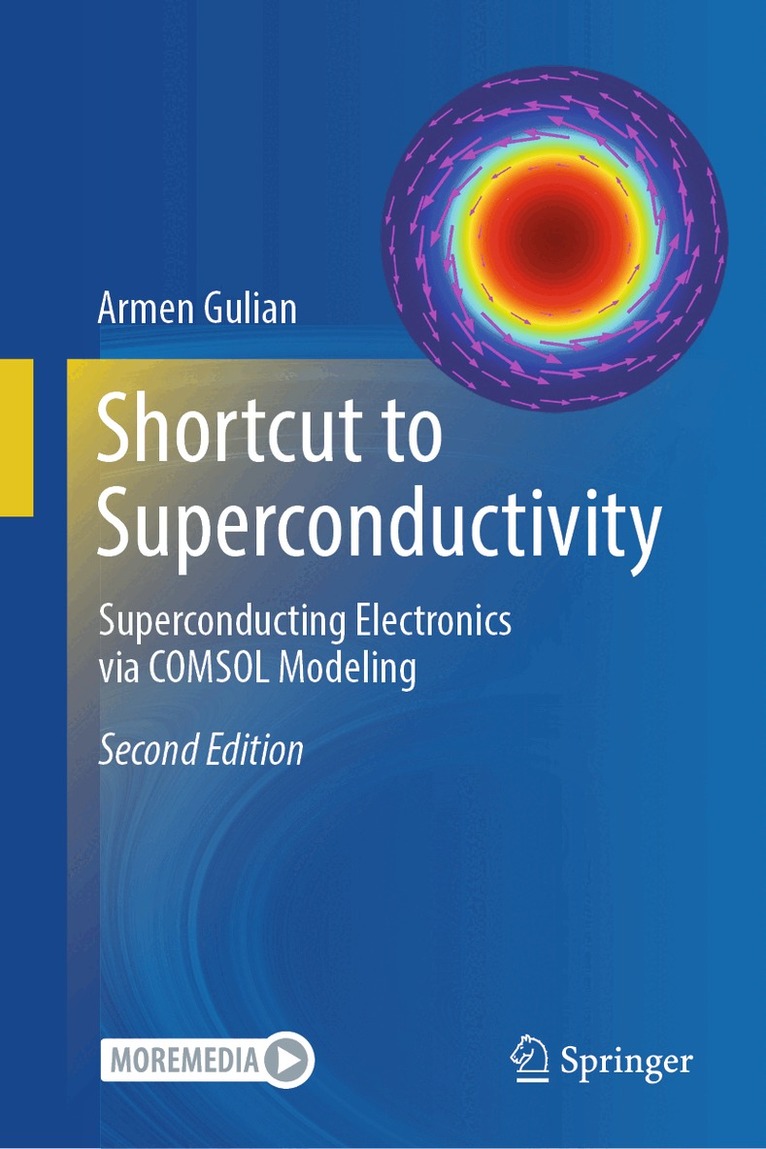
Shortcut to Superconductivity
Superconducting Electronics via COMSOL Modeling
Inbunden, Engelska, 2026
1 528 kr
Kommande
This book effectively explains key concepts, providing shortcuts to understanding each topic and enabling readers to quickly grasp the underlying principles. It is based on a course taught by the author and is primarily aimed at undergraduate and graduate engineering students.This second, enlarged edition offers a novel, concept-driven approach to superconducting electronics, utilizing COMSOL Multiphysics to provide intuitive insight into fundamental principles. The book is divided into three main parts. The first part introduces key topics in superconductivity, illustrated with COMSOL simulations based on the time-dependent Ginzburg–Landau equations, while avoiding deep mathematical derivations. It includes numerous worked examples and problem sets with tips and solutions. The second part is more advanced and follows a more conventional approach, providing detailed derivations of the fundamental equations from first principles. It covers advanced topics such as the BCS–Gor'kov–Eliashberg framework for equilibrium superconductivity, the derivation of kinetic equations for nonequilibrium superconductors, and the derivation of time-dependent Ginzburg–Landau equations used in the first and third parts. The third part, new to this edition, presents more realistic COMSOL examples based on the advanced theoretical foundation developed in the second part. It addresses electric transport in arbitrarily shaped superconductors, proximity effects in dynamic regimes, and voltage- and current-biased weak links. Additional topics include a more general treatment of phase-slip centers and the analysis of the Aharonov–Bohm effect and related macroscopic quantum phenomena in superconductors. Supported by an extensive online library of COMSOL Multiphysics model files and animations, the book serves as an accessible introduction for beginning researchers and readers with a less formal background in physics and mathematics, while also providing sufficient depth for those wishing to explore the subject more rigorously.