Aubrey Herbert – författare
Visar alla böcker från författaren Aubrey Herbert. Handla med fri frakt och snabb leverans.
7 produkter
7 produkter
Inbunden, Engelska, 2010
353 kr
Skickas inom 5-8 vardagar
Häftad, Engelska, 2010
196 kr
Skickas inom 5-8 vardagar
Inbunden, Engelska, 2022
400 kr
Skickas inom 5-8 vardagar
Häftad, Engelska, 2022
262 kr
Skickas inom 5-8 vardagar
Inbunden, Engelska, 2011
818 kr
Skickas inom 10-15 vardagar
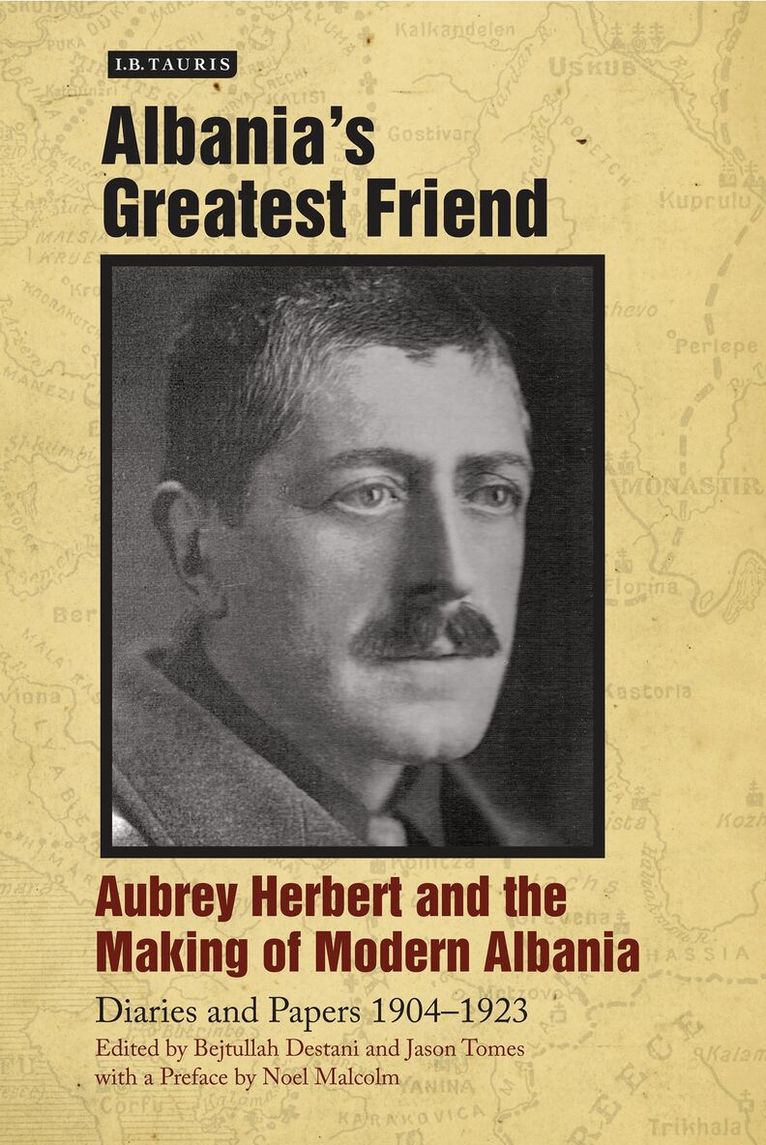
Impeccably aristocratic and eccentric in a uniquely English tradition, Aubrey Herbert was at first sight an incongruous champion of Albanian nationalism, to say the least. Tall, slender and slightly stooped, with a moustache and heavily lidded eyes, Herbert wore a monocle and had white patches in his hair caused by an attack of alopoecia in 1911. Within England - let alone abroad - he cut a colourful figure. But Herbert was also an acclaimed linguist, intrepid traveller and an outspoken and independent thinker, who became enthralled by the Balkans on his first visit to the region in 1904 as honorary attache at the British Embassy in Constantinople. From that time until his death in 1923, he was indefatigable in campaigning for the Albanian cause. He returned frequently to the country and gained respect as an expert on the region, even being honoured with repeated requests that he assume the Albanian throne. "Albania's Greatest Friend" charts Herbert's involvement with Albania over the course of his life, in his own words, through his own extensive diaries and letters.It paints an authoritative portrait not just of a remarkable Englishman but also sheds fresh light on the wider Albanian national movement and a fascinating period in European history.
E-bok
Engelska, 201717 kr
Läs direkt efter köp
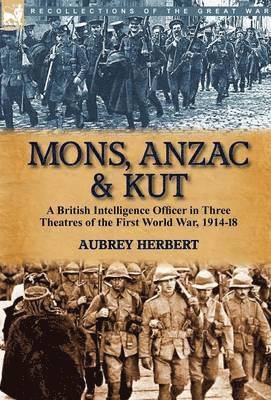
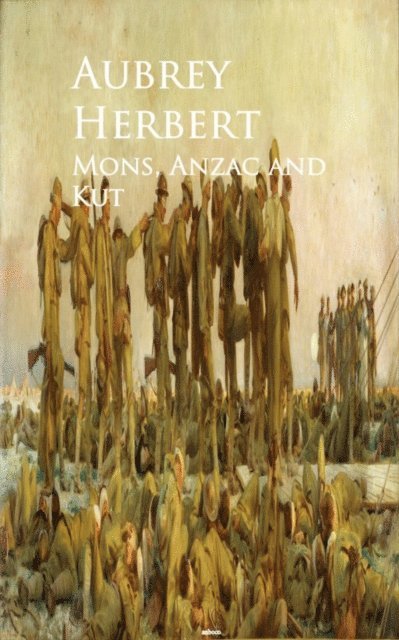
Journals, in the eyes of their author, usually require an introduction of some kind, which, often, may be conveniently forgotten. The reader is invited to turn to this one if, after persevering through the pages of the diary, he wishes to learn the reason of the abrupt changes and chances of war that befell the writer. They are explained by the fact that his eyesight did not allow him to pass the necessary medical tests. He was able, through some slight skill, to evade these obstacles in the first stage of the war; later, when England had settled down to routine, they defeated him, as far as the Western Front was concerned. He was fortunately compensated for this disadvantage by a certain knowledge of the East, that sent him in various capacities to different fronts, often at critical times. It was as an Interpreter that the writer went to France. After a brief imprisonment, it was as an Intelligence Officer that he went to Egypt, the Dardanelles and Mesopotamia.The first diary was dictated in hospital from memory and rough notes made on the Retreat from Mons. For the writing of the second diary, idle hours were provided in the Dardanelles between times of furious action. The third diary, which iv deals with the fall of Kut, was written on the Fly boats of the River Tigris.In a diary egotism is inevitable. Julius Cæsar cloaked it by using the third person and Lord French by preferring to blame others, rather than to praise himself, but these devices are no precedents for one who is not a generalissimo. There remains anonymity. True, it is a very thin covering for modesty, but, like a modern bathing-dress, it may serve its purpose.When dots occur in the journal, they have their usual significance. The author was thinking his private thoughts, or, perhaps, criticizing some high authority, or concealing what, for the moment, at any rate, is better not revealed.In the Retreat from Mons, only Christian or nicknames have generally been used.
Engelska, 2023
222 kr
Skickas inom 5-8 vardagar