Ayah Mahgoub - Böcker
Visar alla böcker från författaren Ayah Mahgoub. Handla med fri frakt och snabb leverans.
2 produkter
2 produkter
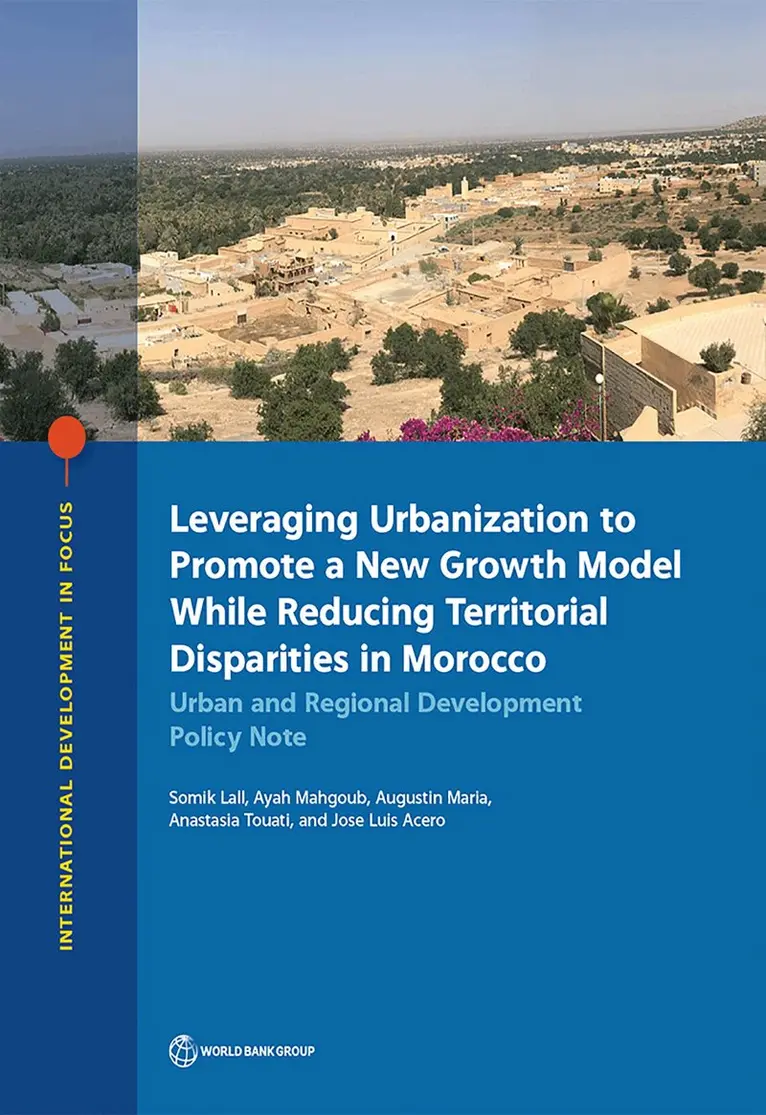
Leveraging Urbanization to Promote a New Growth Model While Reducing Territorial Disparities in Morocco
Urban and Regional Development Policy Note
Häftad, Engelska, 2019
337 kr
Skickas inom 10-15 vardagar
By 2050, three-quarters of Morocco's population will be urban. While Moroccan cities are the engines of today's demographic and economic growth, they face persistent challenges. This note identifies priority actions to be taken to allow public authorities help urban development boost economic growth and promote shared prosperity for all.
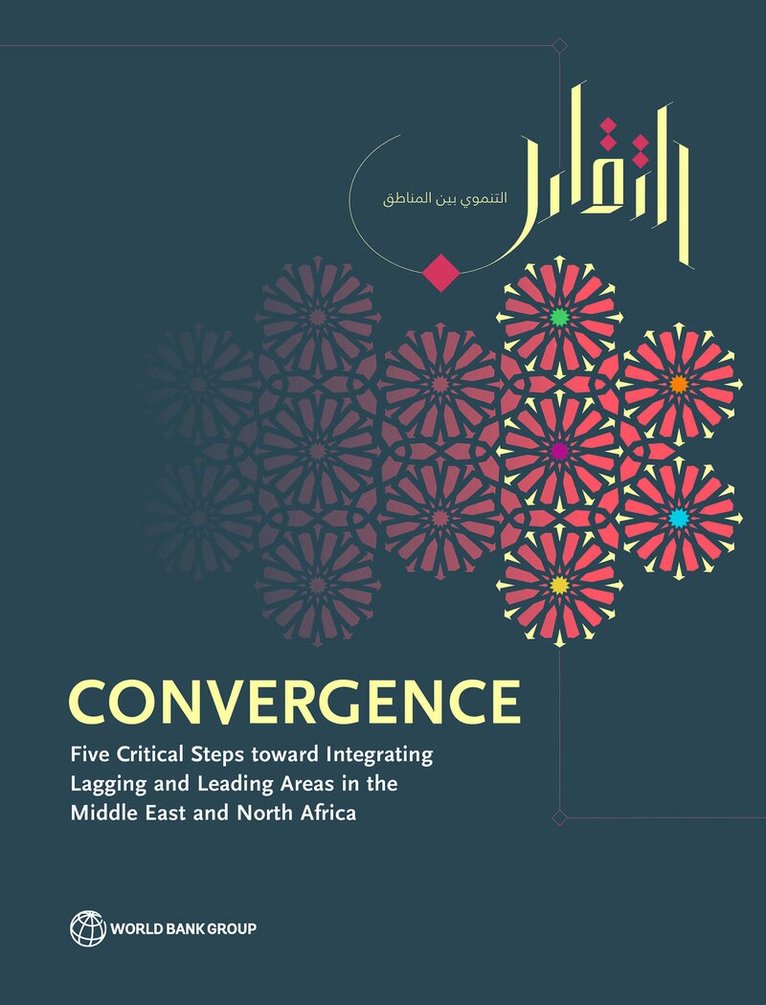
Convergence
Five Critical Steps Toward Integrating Lagging and Leading Areas in the Middle East and North Africa
Häftad, Engelska, 2020
821 kr
Skickas
Policymakers across the Middle East and North Africa (MENA) have long tried to integrate their people spatially and economically. Wishing to bring communities together and narrow economic gaps, governments have made large capital investments in transport corridors and "new cities." Hoping to provide jobs in places with little economic activity, governments have designated new industrial zones supported by spatially targeted business incentives. Yet the results of these place-based initiatives in MENA are limited. The disparities between capital cities and lagging areas, and between richer and poorer quarters of cities, remain stark. Across much of the region, a fortunate few are connected to opportunity, while many more people are marginal to the formal economy--or live outside it, seemingly forgotten. Why have place-based spatial initiatives in MENA countries largely underdelivered not yielding more sustainable jobs and growth? While the challenges are many and vary across the region, this report explains that many of these place-based policies get one thing wrong: they attempt to treat inequity's spatial and physical symptoms, not its causes. This report presents the five roots of spatial inequity in institutional inefficiencies across MENA--urban regulatory frictions, credentialist education systems, centralized control over local public services, barriers to the spatial mobility of goods and people, and barriers to market entry and lop-sided business environments – within cities, within countries, and across national borders. It proposes five transitional steps toward enabling convergence informed by economic geography.